Article: Japanese Fashion Guide — Kimono, Haori and Hakama Explained
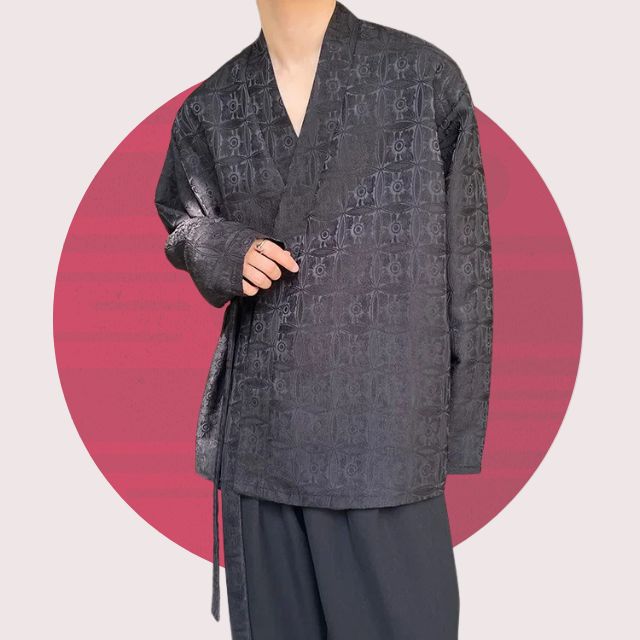
Japanese Fashion Guide — Kimono, Haori and Hakama Explained
Japanese fashion is unlike anything else in the world. It is a living, breathing expression of centuries of history, philosophy and artistic tradition — worn on the body and carried into everyday life. From the sweeping elegance of the kimono to the bold silhouette of hakama pants and the versatile layering of the haori jacket — Japanese clothing tells a story that transcends trends and seasons.
This complete Japanese fashion guide covers everything you need to know about the three most iconic pieces of traditional Japanese clothing — what they are, where they come from, what they mean and how to wear them today.
A Brief History of Japanese Fashion
Japanese fashion has evolved over more than a thousand years — shaped by imperial courts, samurai culture, Buddhist influence, Western modernization and contemporary streetwear movements. What makes traditional Japanese clothing unique is that it never fully disappeared. Unlike many cultures where traditional dress became purely ceremonial, Japan maintained a living relationship with its garments — adapting them, reinterpreting them and wearing them alongside modern Western clothing.
Today Japanese fashion occupies two parallel worlds simultaneously — the deeply traditional world of ceremony, ritual and cultural identity, and the boldly modern world of Japanese streetwear that has influenced global fashion from Harajuku to Paris runways.
The three garments at the heart of both worlds are the kimono, the haori jacket and hakama pants.
The Kimono — Japan's Most Iconic Garment
What Is a Kimono?
The kimono is Japan's most recognized traditional garment — a full length T-shaped robe with wide sleeves, worn wrapped left side over right and secured with an obi sash at the waist. The word kimono literally means "thing to wear" in Japanese — a deceptively simple name for one of the most complex and meaningful garments in human history.
Kimonos have been worn in Japan since at least the Heian period — roughly 794 to 1185 AD — and reached their most elaborate form during the Edo period from 1603 to 1868. During this time the kimono became a canvas for extraordinary artistic expression — hand painted silk, intricate embroidery, gold leaf application and regional dyeing techniques that took master craftspeople years to perfect.
Kimono Symbolism and Meaning
Every element of a kimono carries meaning. The patterns, colors and fabric weight all communicate the wearer's age, marital status, the season and the formality of the occasion:
- Furisode — long swinging sleeves worn by unmarried women at formal occasions
- Tomesode — shorter sleeves worn by married women at formal events
- Yukata — lightweight cotton kimono worn at summer festivals and casual occasions
- Iromuji — solid color kimono worn at tea ceremonies
Seasonal motifs are woven throughout kimono design — cherry blossoms for spring, chrysanthemums for autumn, pine and bamboo for winter. Wearing a kimono with the correct seasonal pattern at the correct time is a sign of cultural refinement and deep awareness.
How To Wear a Kimono Today
The kimono has evolved far beyond ceremonial wear. Modern kimono dress styles bring the elegance of traditional Japanese robes into contemporary wardrobes:
- Wear a kimono dress as a standalone garment with a simple belt or obi sash
- Layer a shorter kimono cardigan open over jeans and a t-shirt for a Japanese streetwear inspired look
- Pair a kimono dress with a haori jacket over the top for a fully traditional ensemble
- Style a lightweight kimono as a beach or festival cover-up in warmer months
Explore our kimono dress collection for modern interpretations of this timeless Japanese garment — available in traditional prints and contemporary designs with worldwide shipping.
The Haori Jacket — Japan's Most Versatile Outerwear
What Is a Haori Jacket?
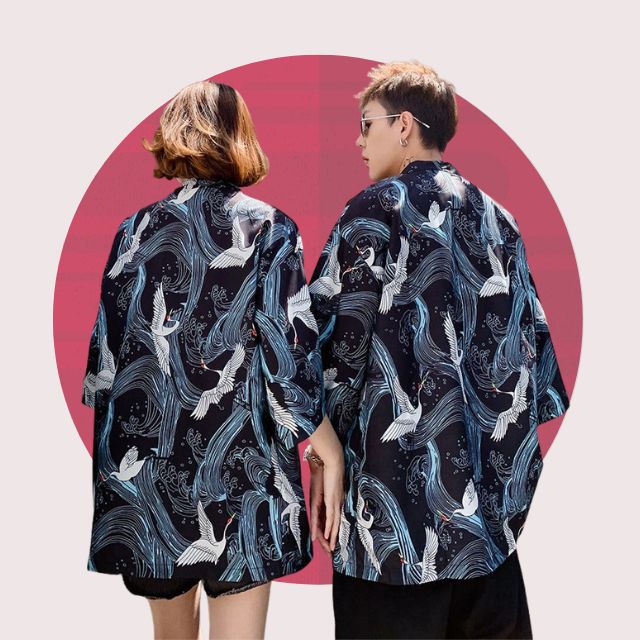
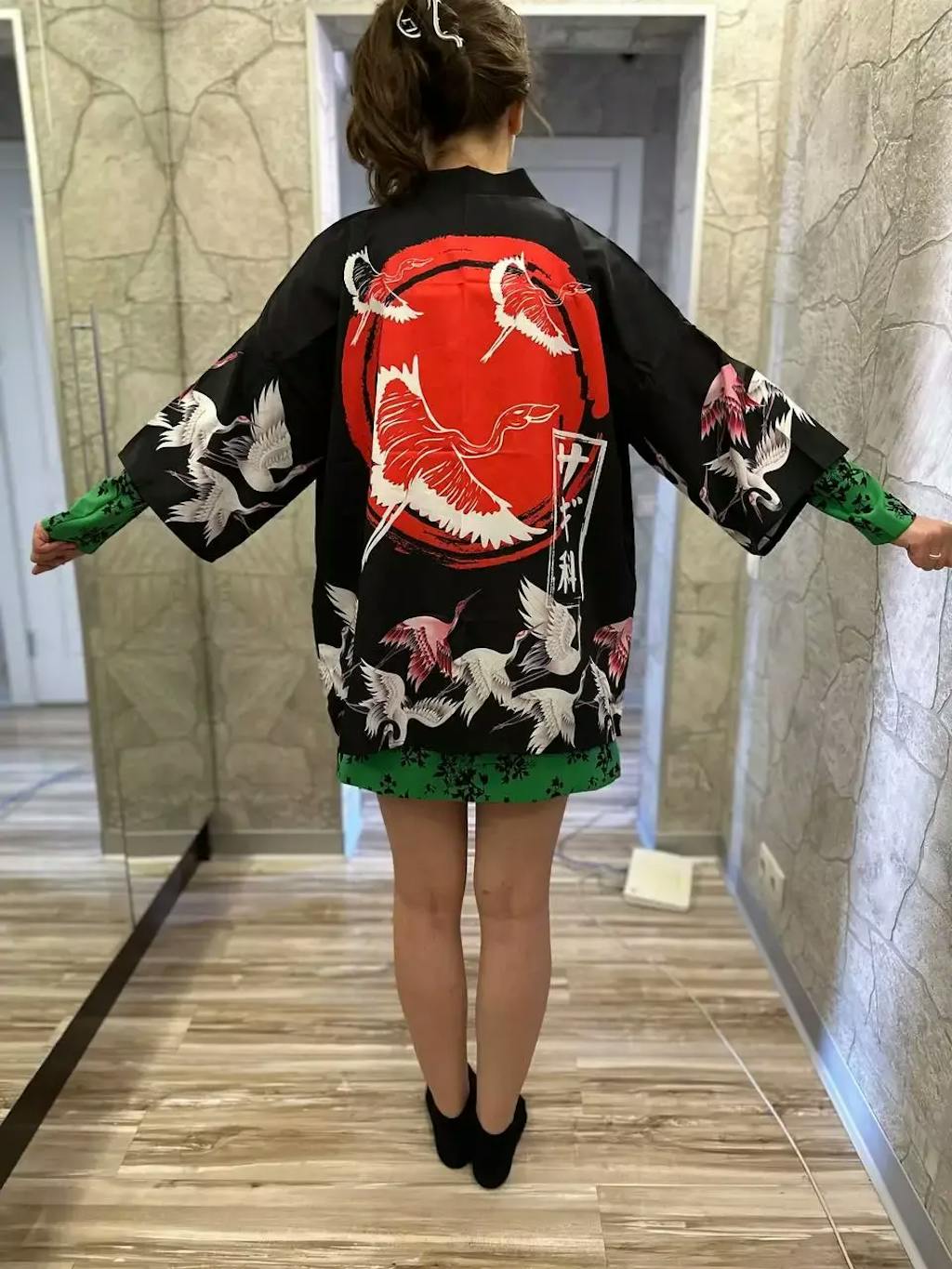
The haori jacket is a hip-length Japanese outerwear jacket traditionally worn over a kimono. It features an open front with no buttons or ties, three-quarter swing sleeves and an elaborately patterned or solid back. Think of the haori as the Japanese equivalent of a blazer — a finishing layer that adds formality, warmth and personality to any outfit.
The haori jacket has been worn in Japan since at least the Muromachi period — roughly 1336 to 1573 — originally as a masculine garment worn by samurai over their kimono and hakama. Women began adopting the haori as mainstream fashion from the mid-twentieth century onward and today it is worn globally by women and men across a wide range of occasions and aesthetics.
Haori Jacket Symbolism and Prints
One of the most distinctive features of the haori jacket is its elaborate back panel — a canvas for some of the most striking imagery in Japanese art and mythology:
- Dragon print — wisdom, power, balance and good luck
- Tiger print — blessing and peace
- Koi fish print — courage, patience and success
- Phoenix print — renewal, great luck and peace
- Great Wave print — inspired by Hokusai's iconic masterpiece, representing the power of nature
- Sakura print — beauty, renewal and the passing of time
- Solid color — versatile, modern and effortlessly stylish
Each haori jacket from Eiyo Kimono tells a story through its design — making it as much a wearable art piece as a fashion item.
How To Wear a Haori Jacket Today
The haori jacket is one of the most versatile pieces in Japanese fashion:
- Layer over a plain t-shirt and hakama pants for a clean Japanese streetwear look
- Wear over a kimono dress for a fully traditional Japanese ensemble
- Drape over a simple dress or jeans for a smart casual feminine look
- Style with hakama jogger pants for a modern take on traditional Japanese fashion
- Use as a lightweight cover-up in spring and summer or a layering piece in autumn and winter
Explore our full haori jacket collection — from bold art prints to versatile solid colors — shipped worldwide from Eiyo Kimono.
Hakama Pants — Japan's Most Iconic Trousers
What Are Hakama Pants?
Hakama pants are wide-legged traditional Japanese trousers worn over a kimono. Characterized by their distinctive pleating, flowing silhouette and unique tying system, hakama have been a cornerstone of Japanese dress since at least the sixth century — originally reserved for the Japanese imperial court before becoming widely adopted across all levels of society.
There are two primary styles of hakama pants:
Umanori hakama — divided like wide-leg trousers, originally designed for horseback riding and still worn in martial arts like Kendo, Aikido and Iaido
Andon hakama — undivided and tubular, resembling a flowing skirt, commonly worn at graduation ceremonies, weddings and coming-of-age celebrations
Hakama Symbolism and Meaning
The hakama carries profound symbolic meaning through its construction. The five front pleats represent the core Confucian values of Bushido — the samurai code:
- Humanity
- Justice
- Courtesy
- Intelligence
- Belief
The two rear pleats represent Loyalty and Filial Piety — values considered the true spirit of the samurai. What appears decorative on the surface conceals centuries of philosophical meaning beneath.
How To Wear Hakama Pants Today
Hakama pants have evolved from ceremonial garments into a global Japanese streetwear staple:
- Pair hakama pants with a plain t-shirt and sneakers for a clean minimal streetwear look
- Layer with a haori jacket for a traditional meets modern ensemble
- Combine with a solid color kimono cardigan for a fully Japanese-inspired outfit
- Wear hakama jogger pants with a simple hoodie for a relaxed everyday look
- Style traditional hakama with a kimono top and haori for formal Japanese occasions
Explore our full hakama pants collection — from traditional ceremonial cuts to modern Japanese streetwear styles — with worldwide shipping from Eiyo Kimono.
Japanese Fashion Today — Tradition Meets Streetwear
The most exciting thing about Japanese fashion in 2026 is how fluidly it moves between tradition and modernity. The same garments worn by samurai, imperial court officials and ceremonial practitioners for centuries are now worn on the streets of Tokyo, London, New York and Montreal — styled with sneakers, hoodies and modern basics.
This is the essence of Japanese streetwear — not a rejection of tradition but a reinterpretation of it. The haori jacket worn open over a plain white t-shirt. The hakama pants paired with chunky sneakers. The kimono cardigan layered over a hoodie. Each combination honors the original garment while making it entirely contemporary.
At Eiyo Kimono our entire collection is built around this philosophy — authentic Japanese design adapted for modern wardrobes worldwide. Whether you're discovering Japanese fashion for the first time or deepening a longstanding love of Japanese culture — our collections bring the richness of Japan's clothing heritage directly to you.
Japanese Fashion FAQ
What is the most iconic piece of Japanese clothing? The kimono is the most globally recognized piece of traditional Japanese clothing — a full length robe worn wrapped and secured with an obi sash. However the haori jacket and hakama pants are equally significant in Japanese cultural history and are experiencing a major global fashion revival.
What is Japanese streetwear? Japanese streetwear is a fashion movement that originated in Tokyo's Harajuku district in the 1980s and 1990s — blending traditional Japanese garments with Western casual wear, hip hop influences and bold graphic aesthetics. Today it encompasses everything from hakama jogger pants and haori jackets styled with sneakers to oversized hoodies and graphic tees inspired by Japanese art and culture.
What is the difference between a kimono and a haori? A kimono is a full length floor-to-ankle robe worn as a complete garment secured with an obi sash. A haori jacket is a shorter hip-length outerwear layer traditionally worn over the kimono — open at the front with no closures. Think kimono as the dress, haori as the jacket worn over it.
What are hakama pants? Hakama pants are wide-legged traditional Japanese trousers worn over a kimono — characterized by distinctive front pleating and a unique tying system at the waist. Originally worn by samurai and Japanese nobility, they are now worn globally for martial arts, ceremonies and Japanese streetwear fashion.
Where can I buy authentic Japanese clothing? Eiyo Kimono offers a curated collection of authentic Japanese fashion — including kimono dresses, haori jackets and hakama pants — for women and men with worldwide shipping. Explore our full collection at eiyokimono.com.

Written by Jennifer Moreau