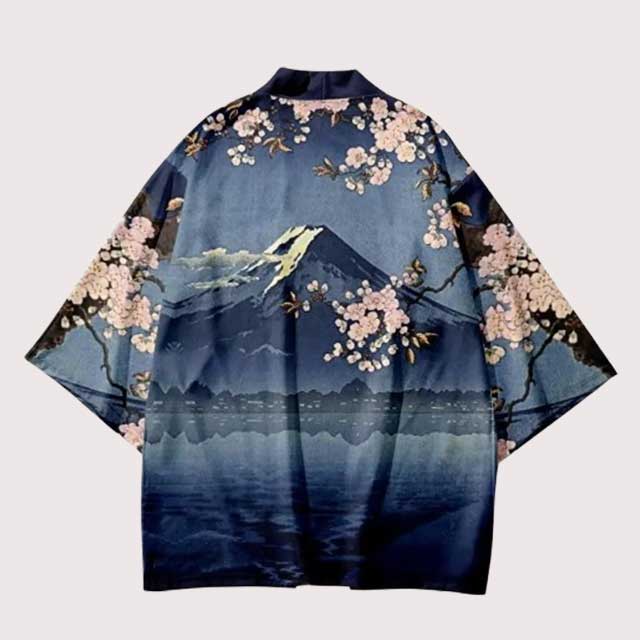
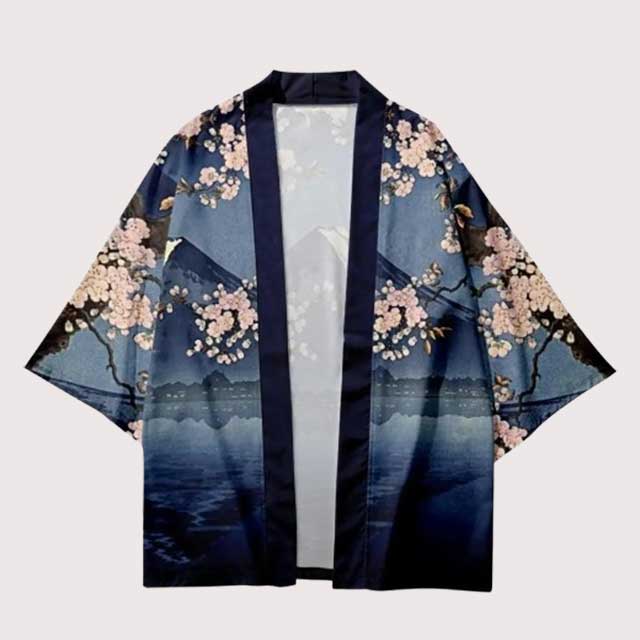
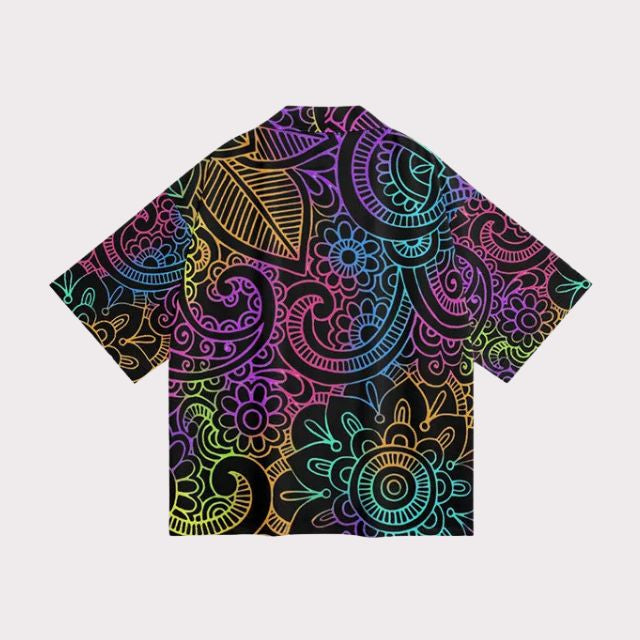
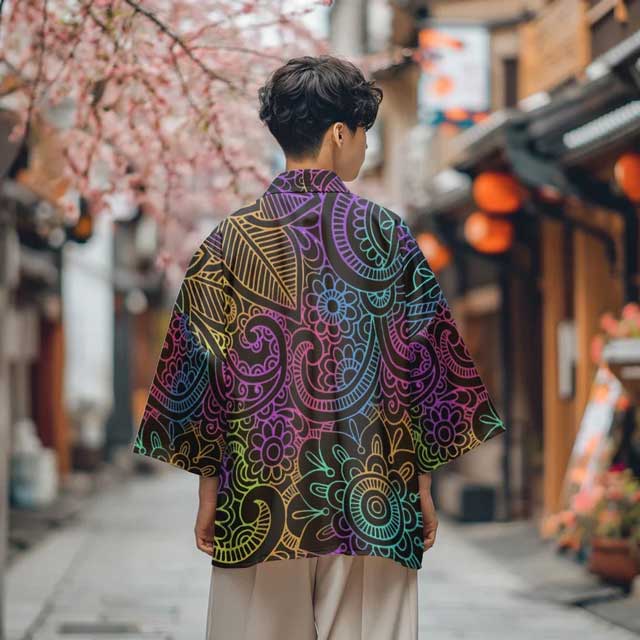
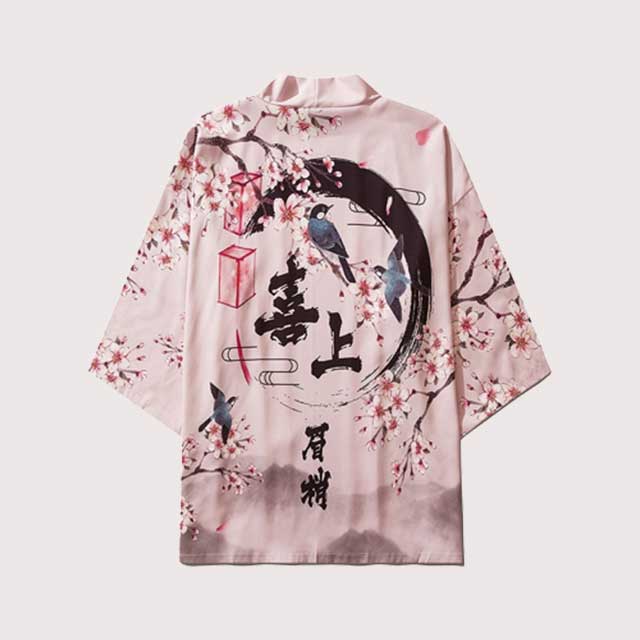
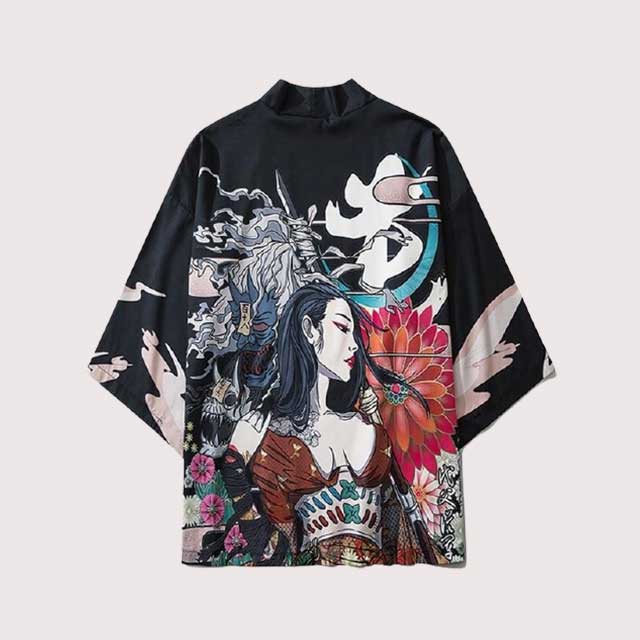
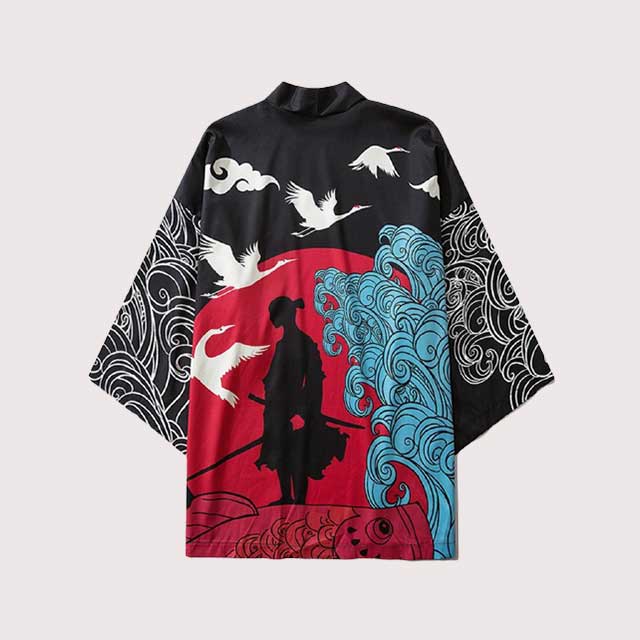
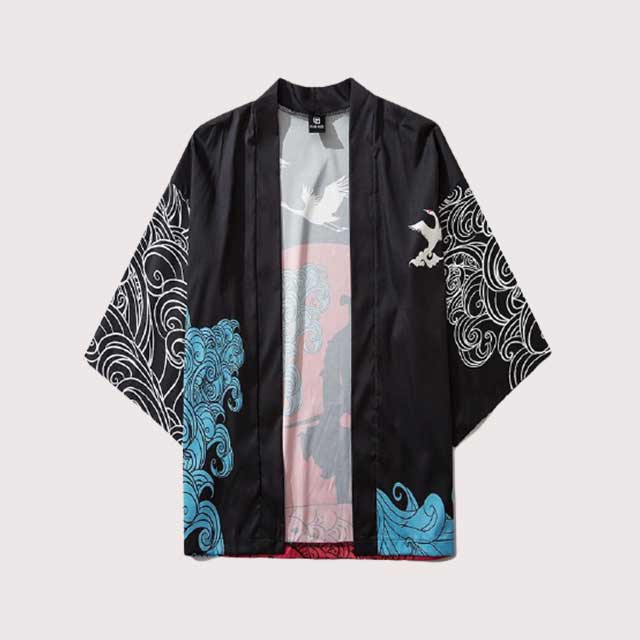
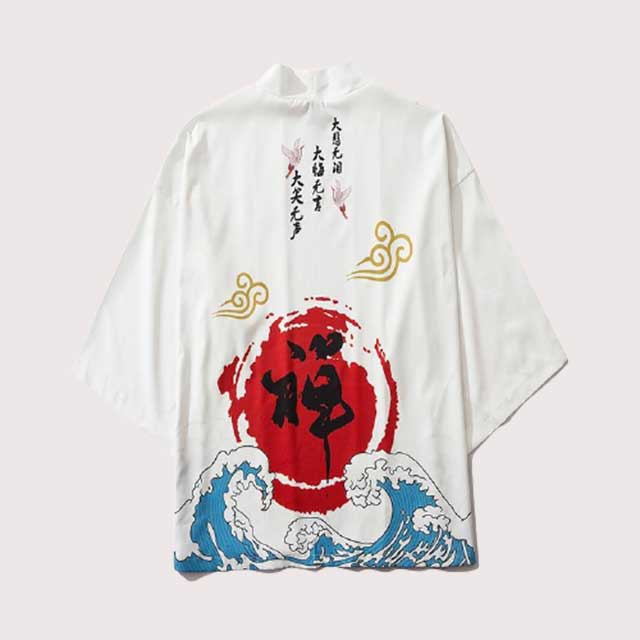
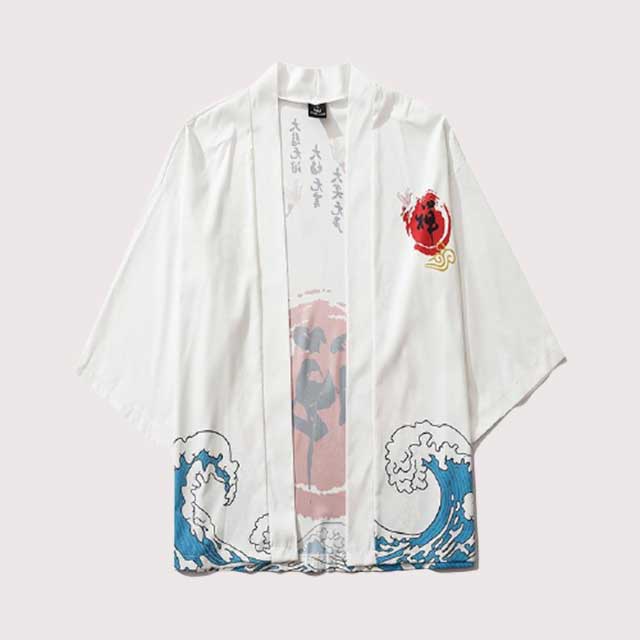
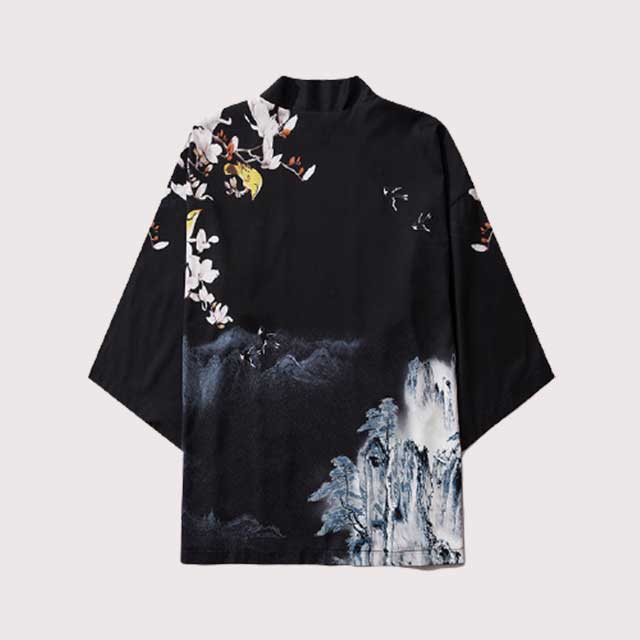
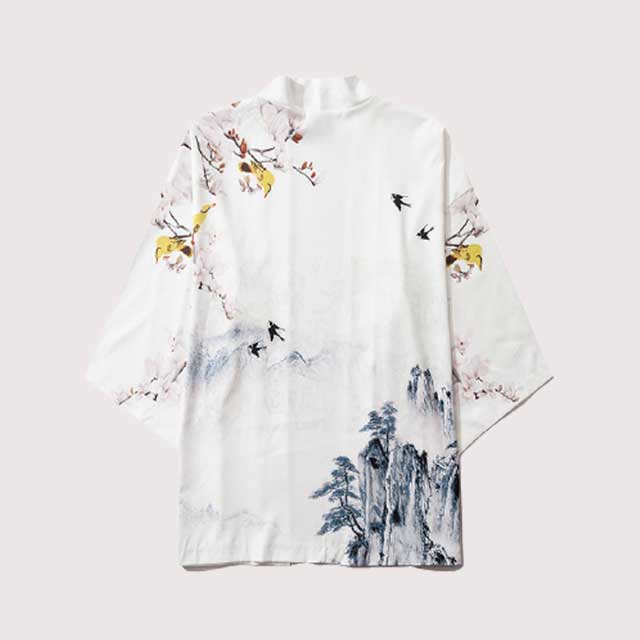
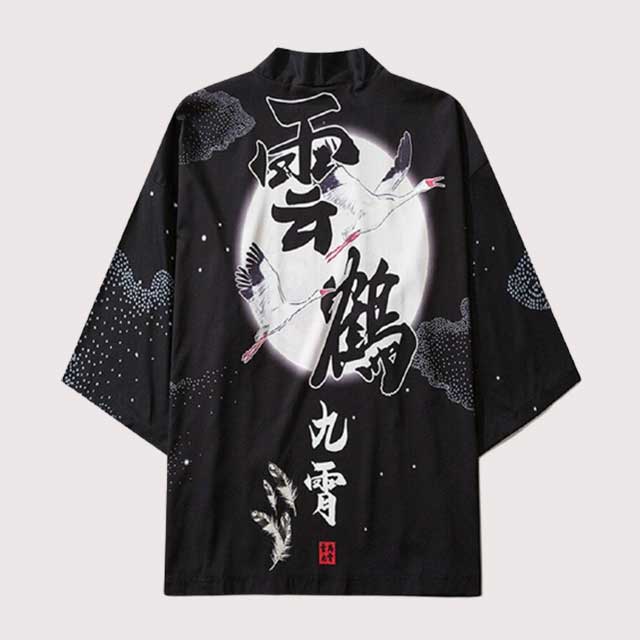
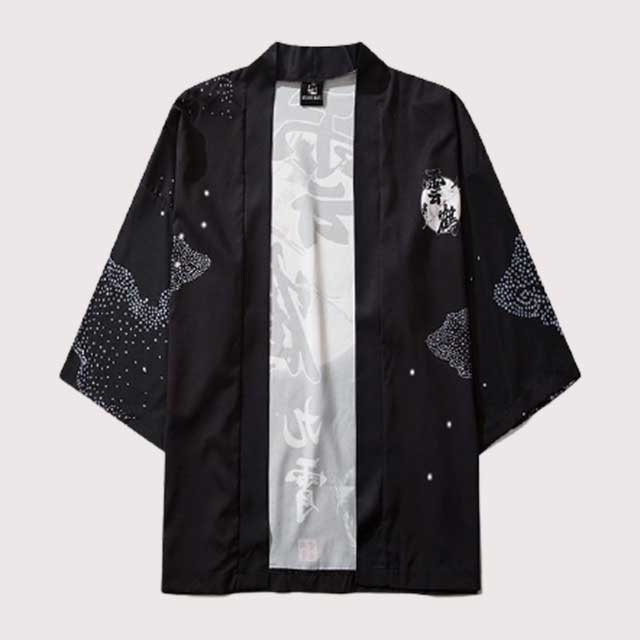
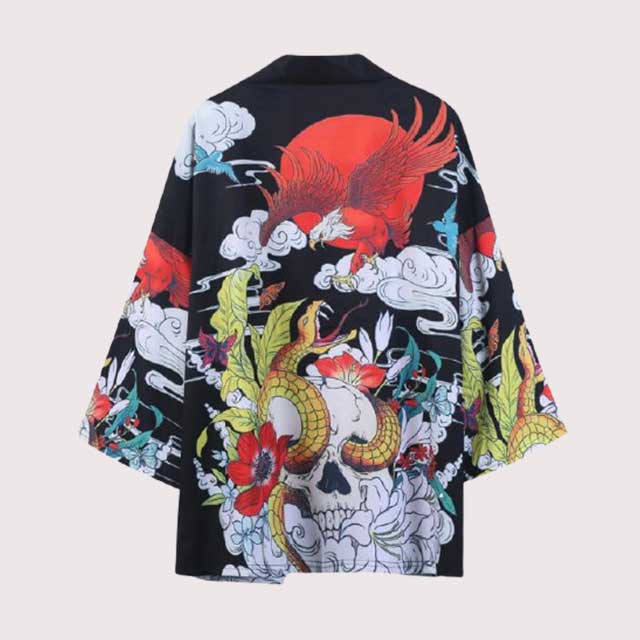
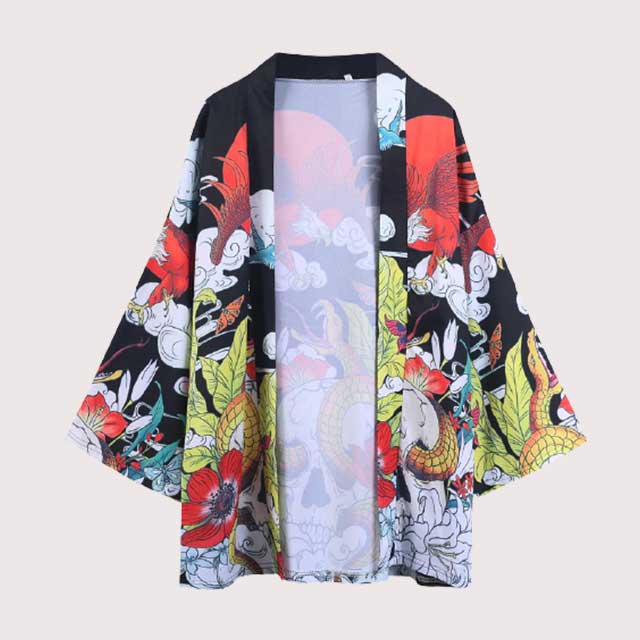
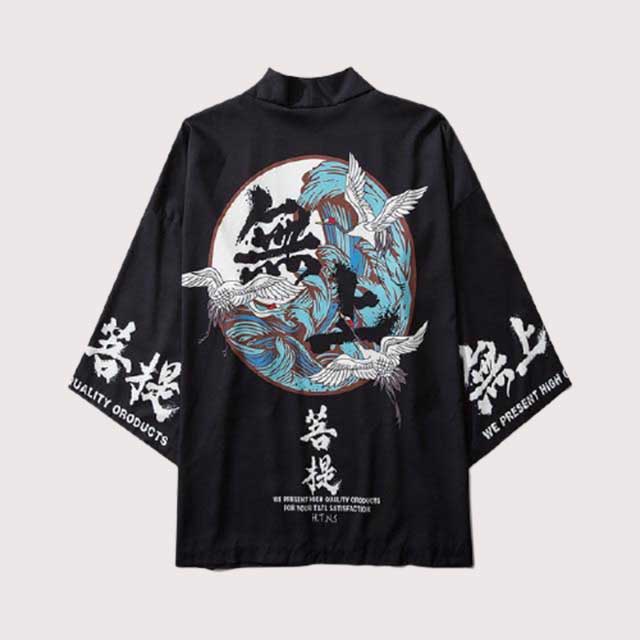
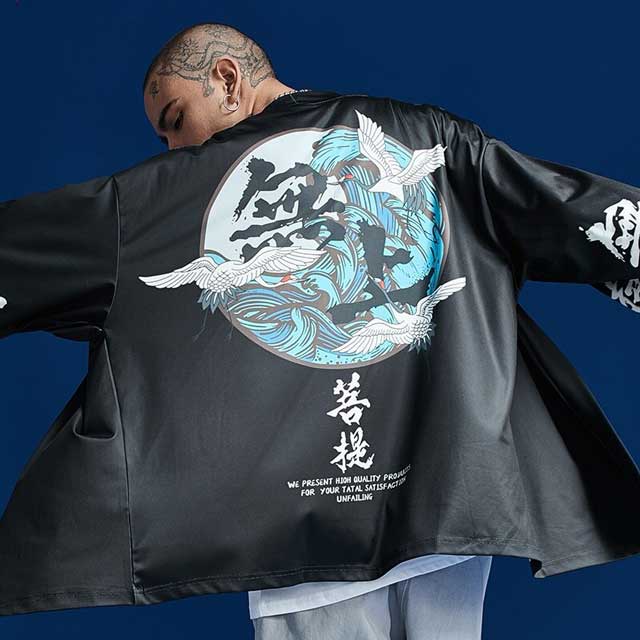
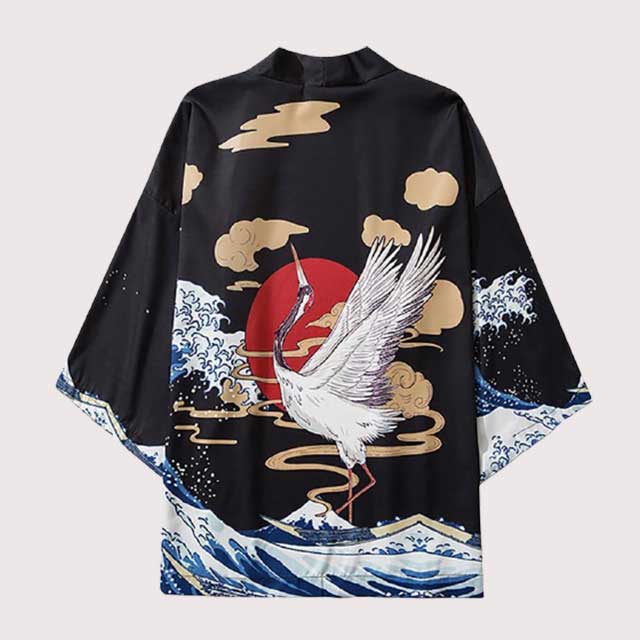
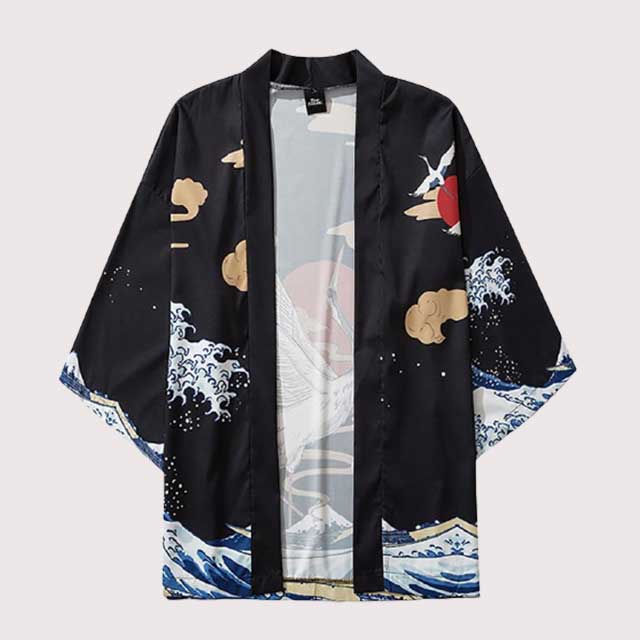
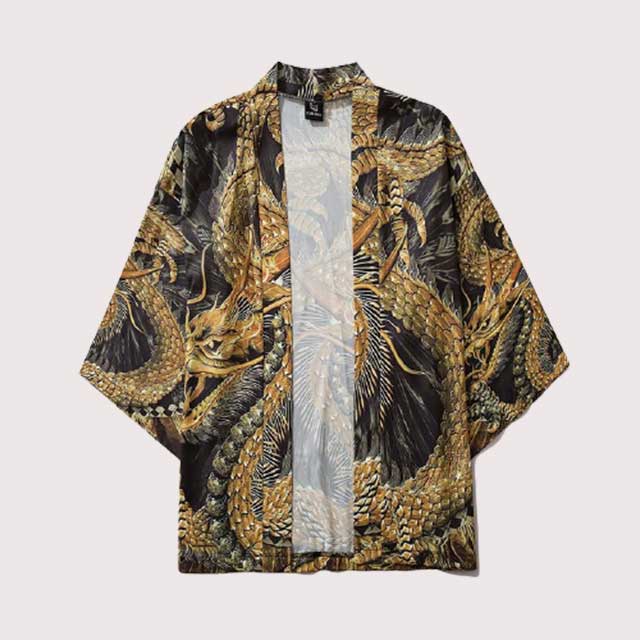
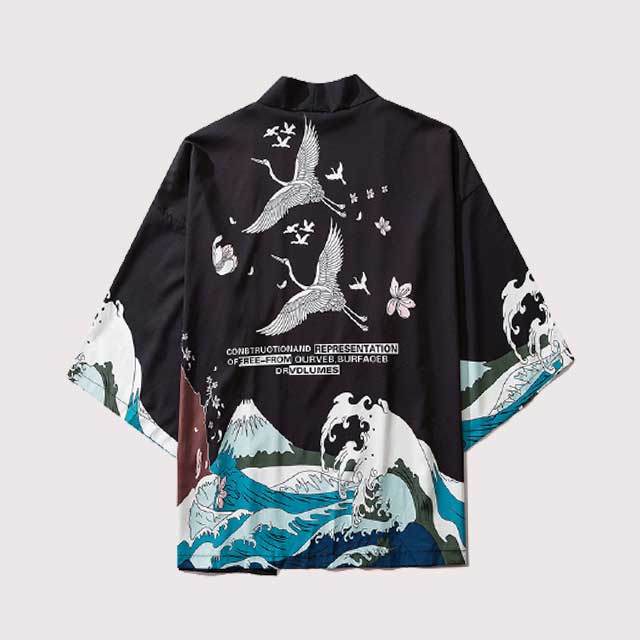
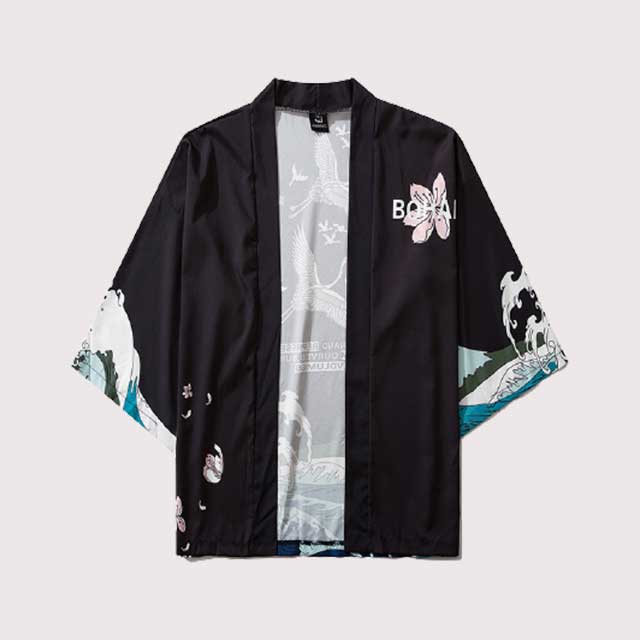
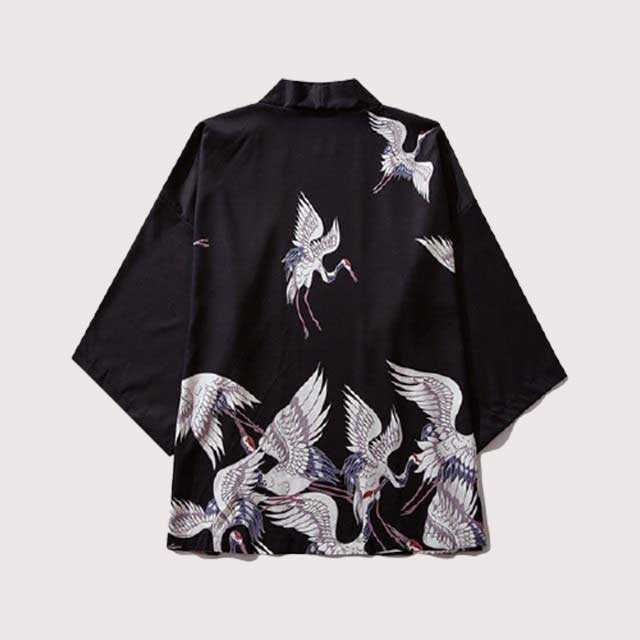
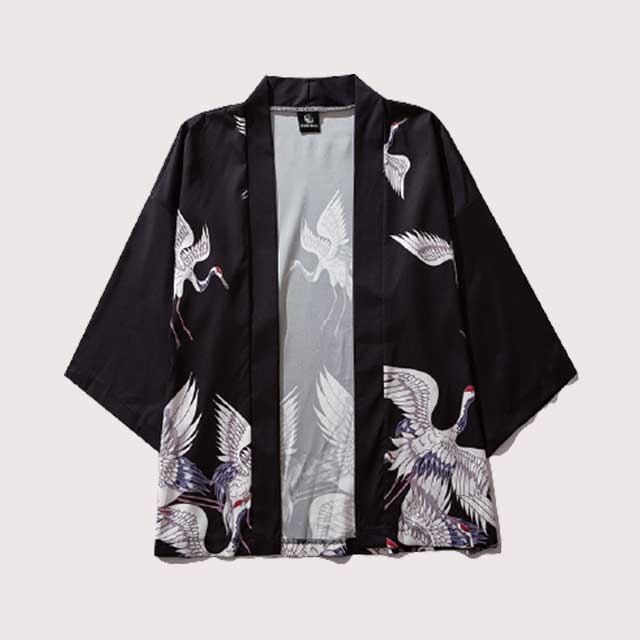
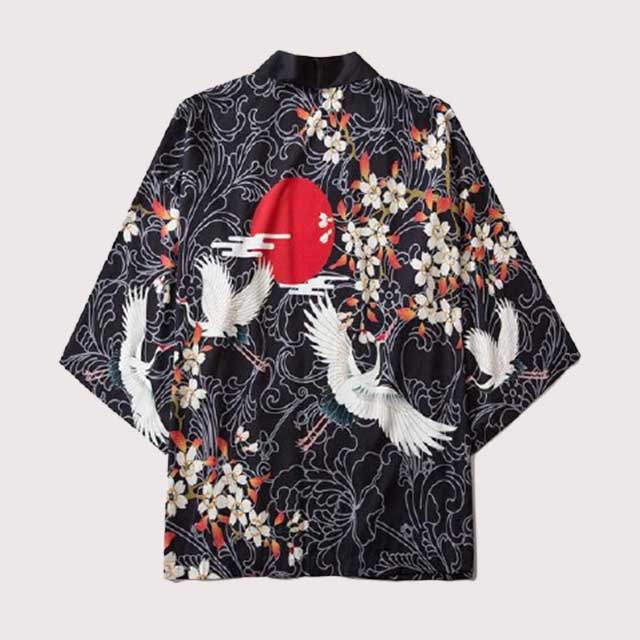
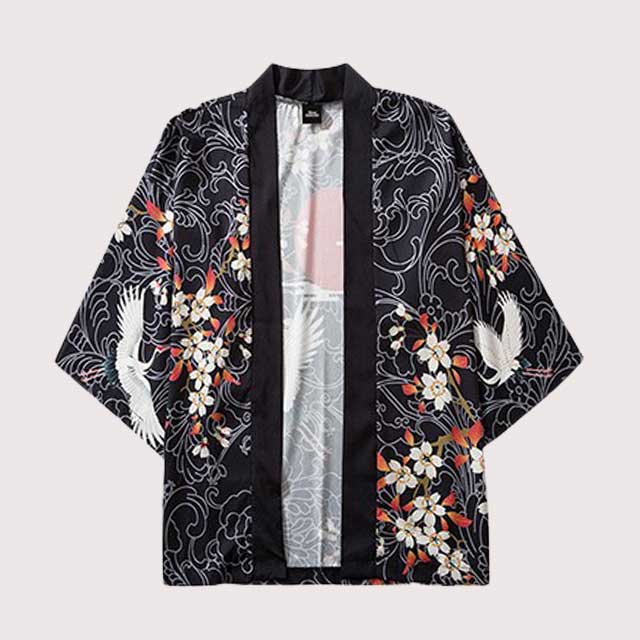
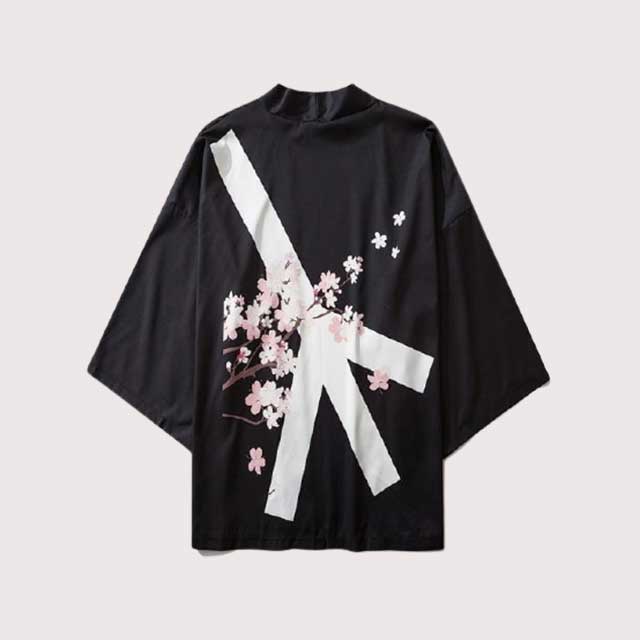
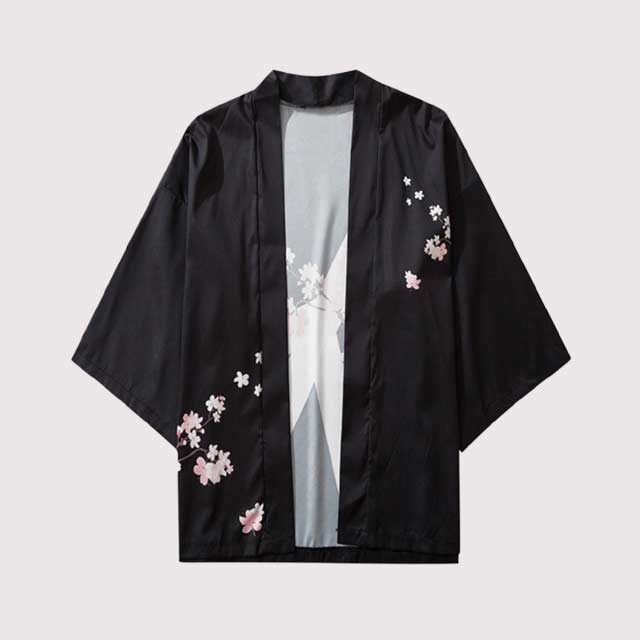
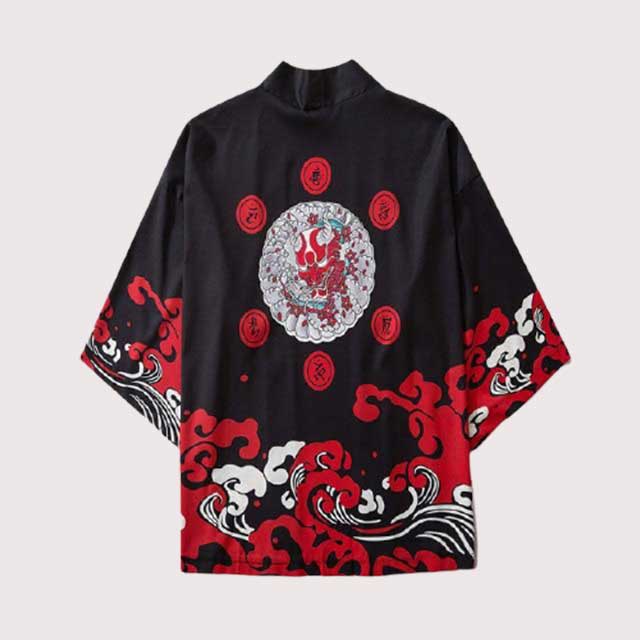
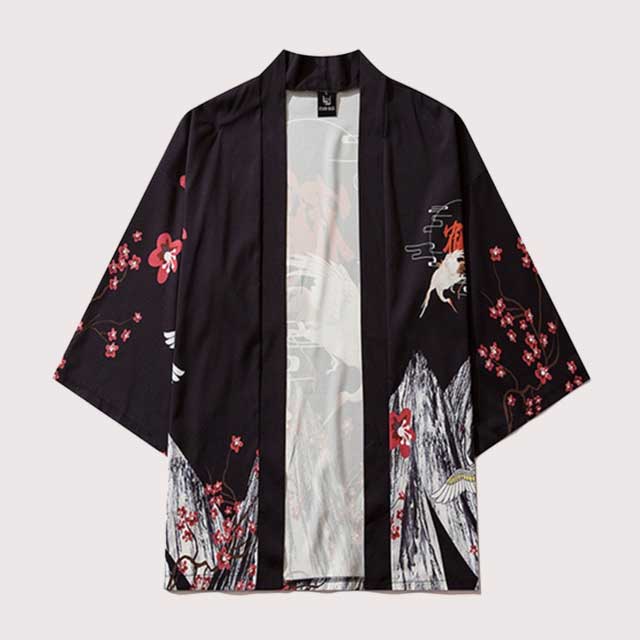
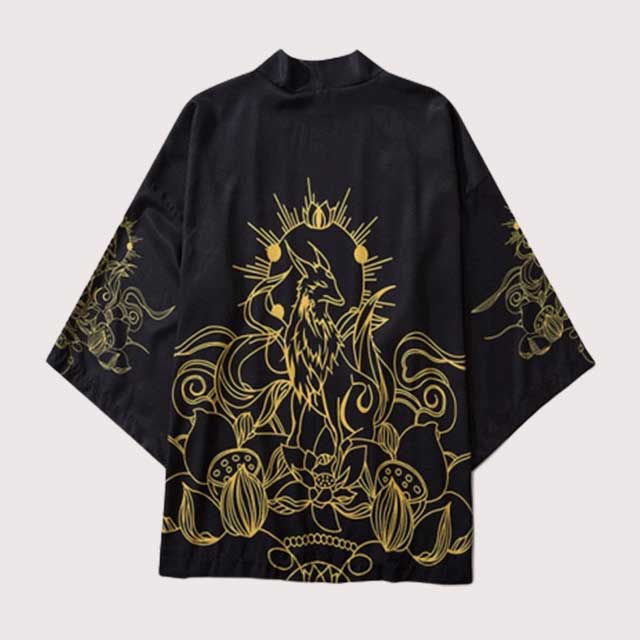
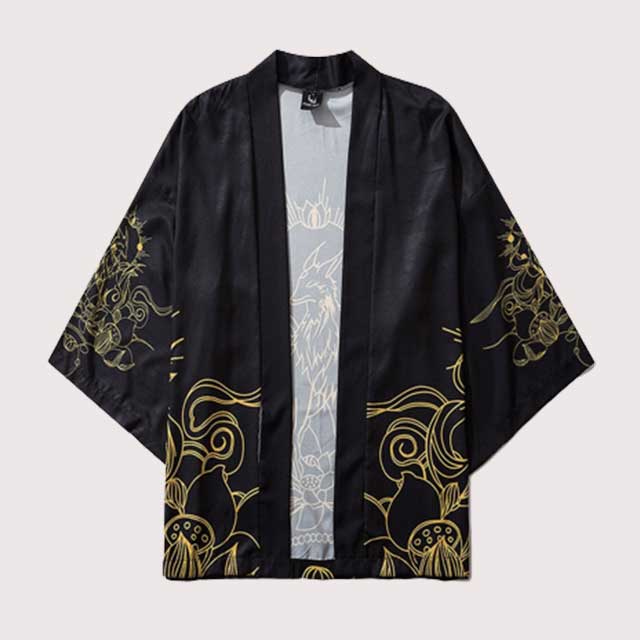
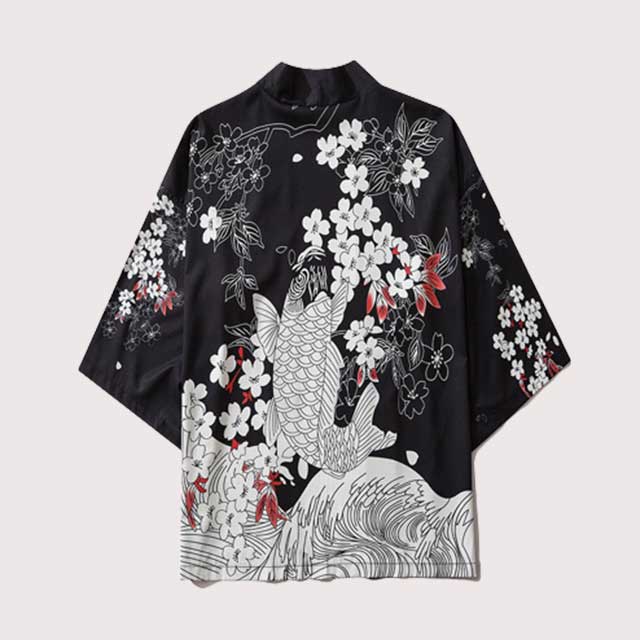
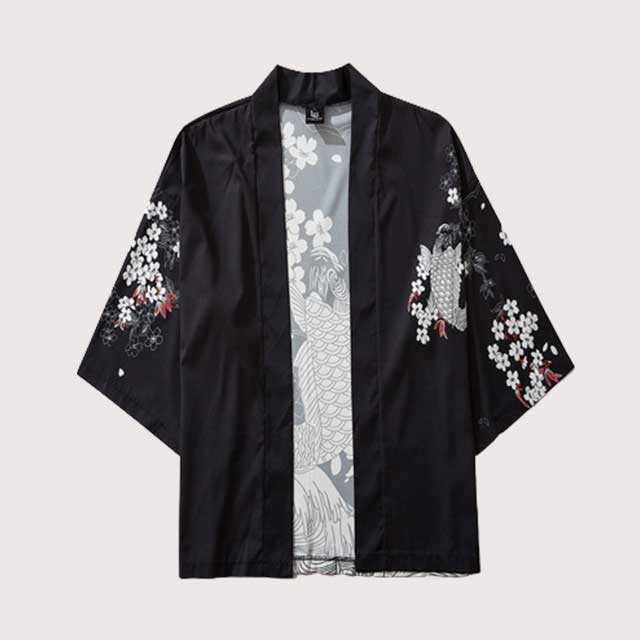
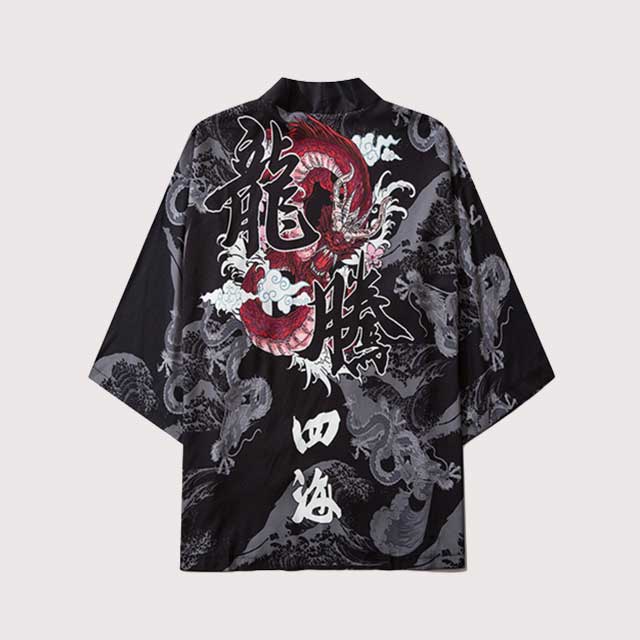
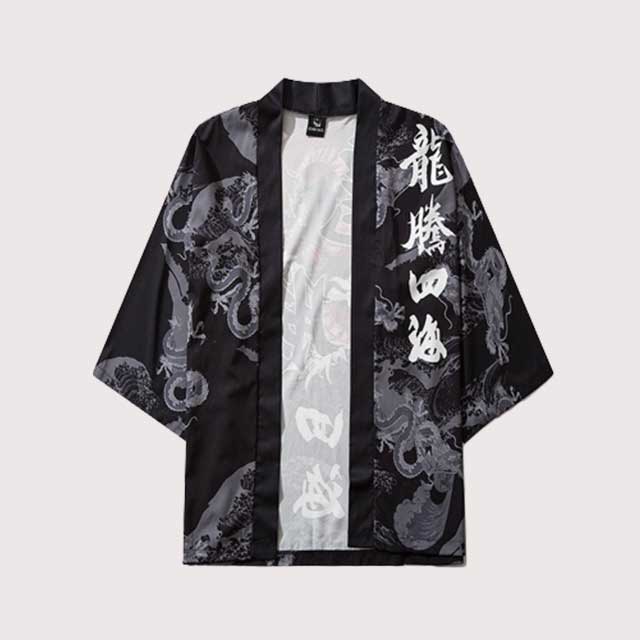
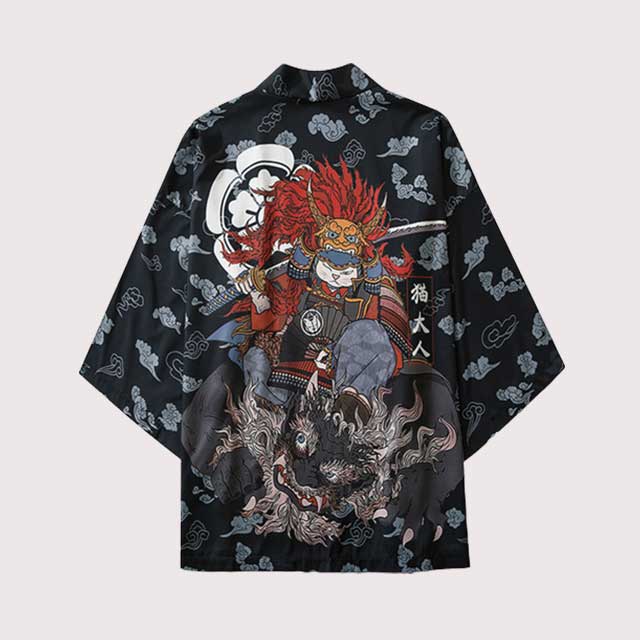
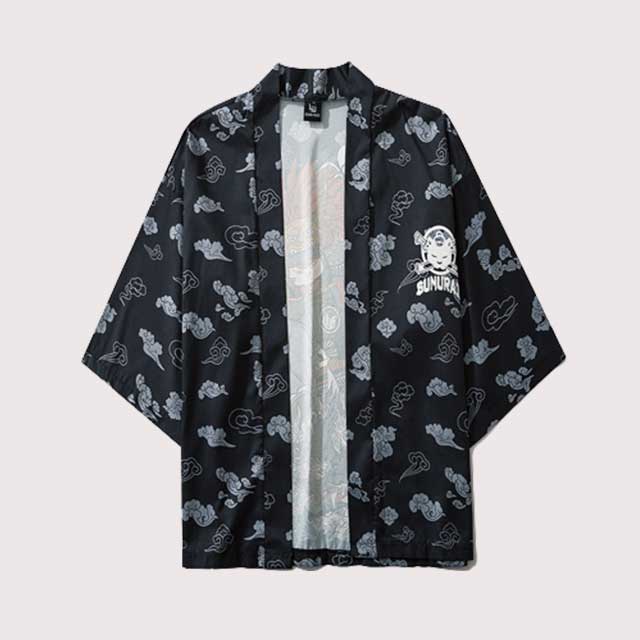
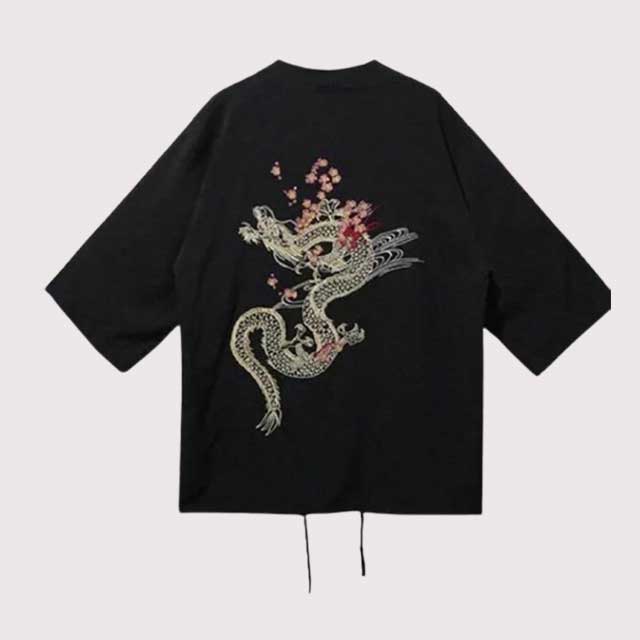
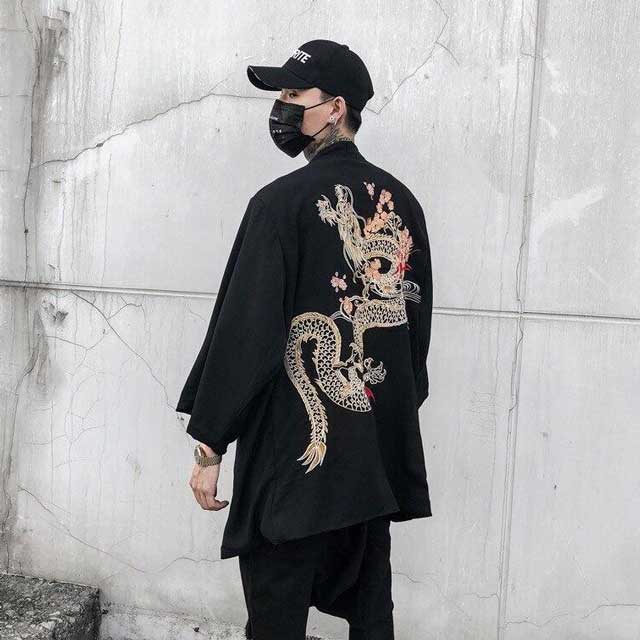
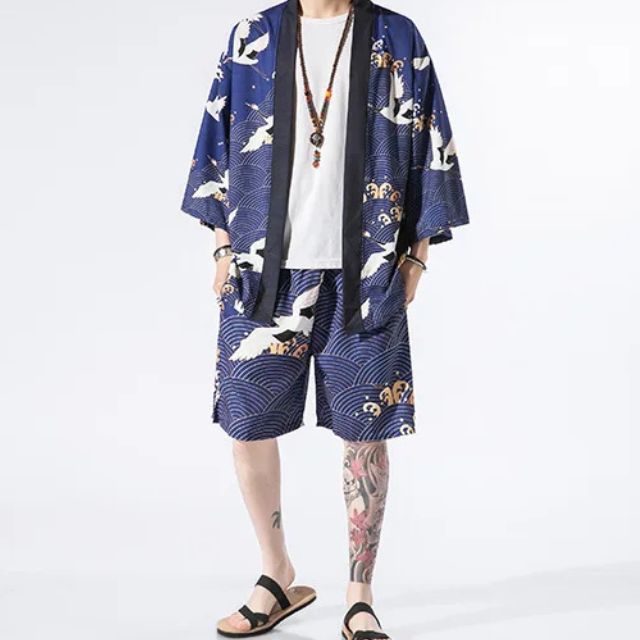
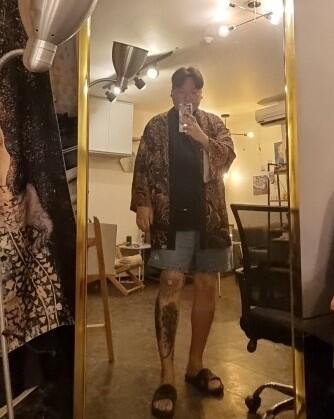
The haori jacket is one of the most iconic pieces in Japanese fashion — a hip-length outerwear layer rooted in centuries of tradition, now worn worldwide as both a cultural statement and a modern style essential. At Eiyo Kimono, our collection brings together traditional Japanese craftsmanship and contemporary design for women and men — shipped worldwide.
Whether you're drawn to bold dragon prints, minimalist solid tones or intricate Japanese patterns, our haori collection offers something for every aesthetic — from traditional ceremony to everyday Japanese streetwear.
What Is A Haori Jacket?
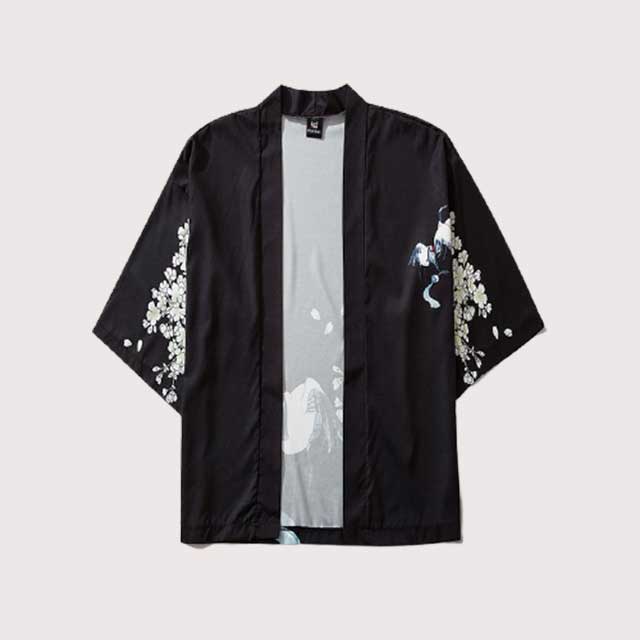
A haori is a hip-length Japanese outerwear piece traditionally worn over a kimono. Distinguished by its swing sleeves, open front and elaborately patterned back, it has been a cornerstone of Japanese dress for generations. Originally worn by samurai and nobility, women began adopting this style as mainstream fashion from the mid-twentieth century onward.
Today it is worn by women and men across the world — layered over kimonos for traditional occasions or styled over t-shirts, hoodies and dresses for a modern Japanese streetwear look.
Known internationally by several names:
- Haori jacket
- Kimono jacket
- Haori coat
- Japanese outerwear jacket
- Short kimono jacket
How To Style A Haori Jacket
Traditional Japanese Styling — layer over a kimono dress and pair with traditional sandals or tabi boots. The classic combination worn at tea ceremonies, coming-of-age events and formal Japanese occasions. Add our Hakama Pants underneath for a fully traditional ensemble.
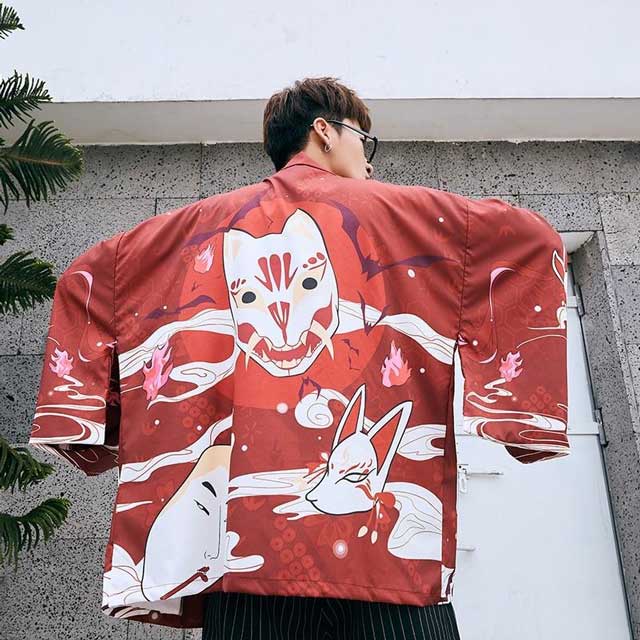
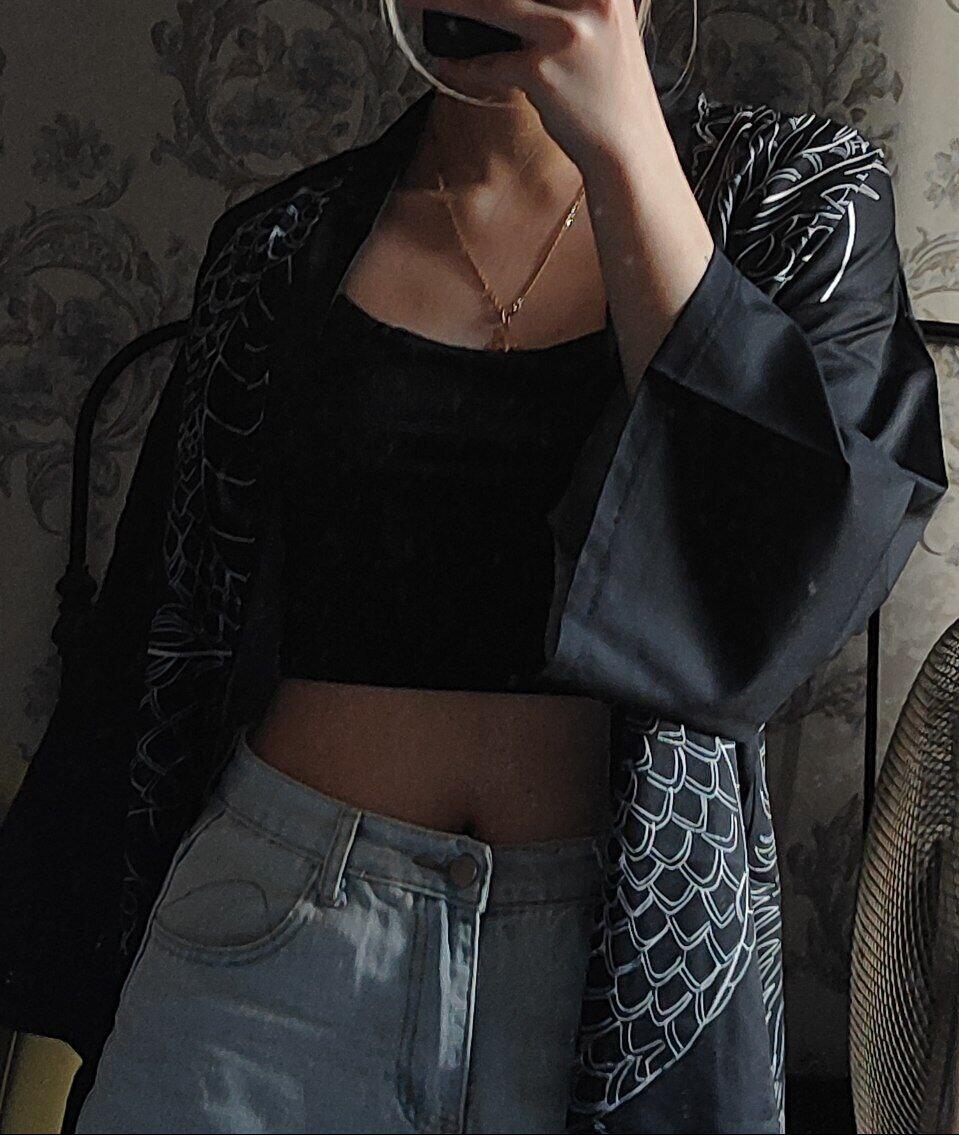
Modern Streetwear Styling — wear open over a plain t-shirt, hoodie or cropped top with jeans or wide leg trousers. The contrast between bold Japanese pattern and simple basics creates an effortlessly striking look. Pair with sneakers or boots and explore our Kimono Cardigan collection for more layering options.
Smart Casual Styling — a solid or subtly patterned piece worn over a turtleneck or fitted shirt elevates any everyday outfit. Works beautifully for both women and men seeking a refined but relaxed aesthetic.
Seasonal Layering — lightweight styles work perfectly over dresses and shorts in spring and summer. For winter, the oversized silhouette layers easily over sweaters and cardigans. Add boots and a scarf for a polished cold weather look.
Haori Jacket Prints And Their Meaning
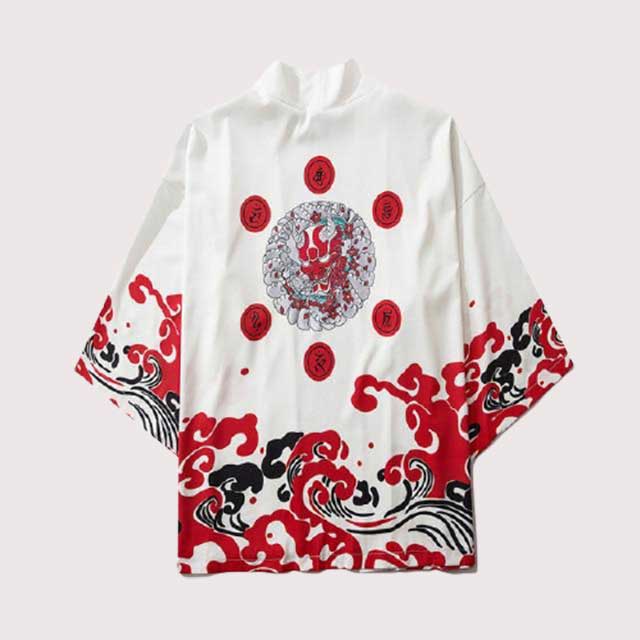
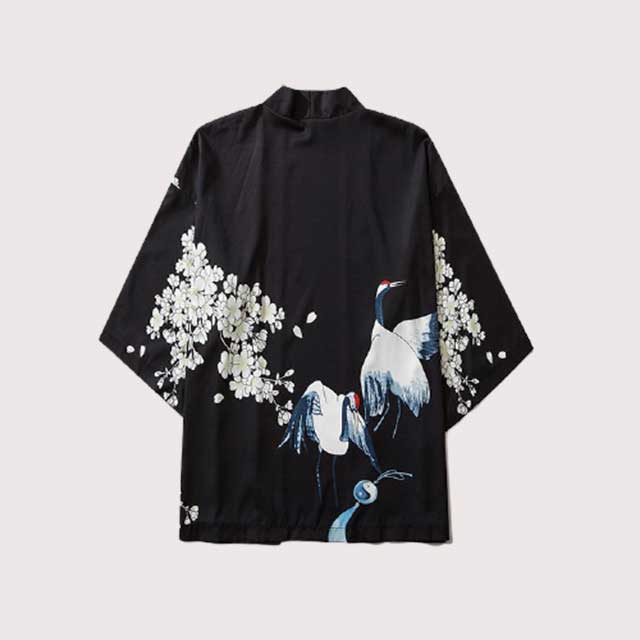
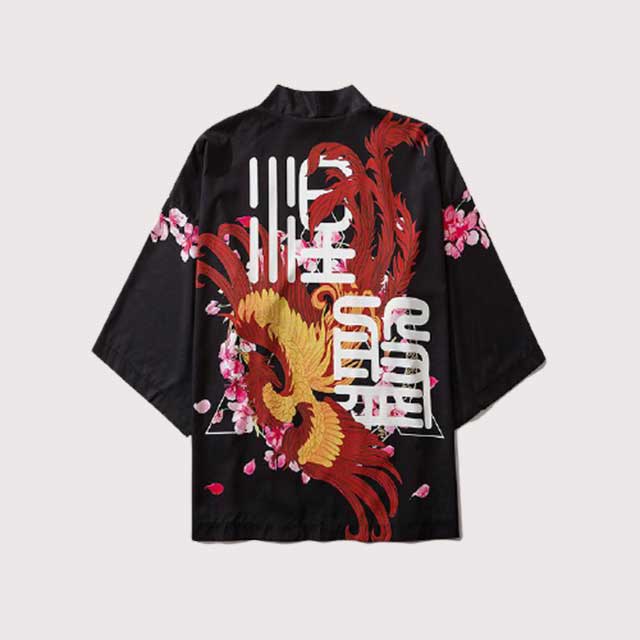
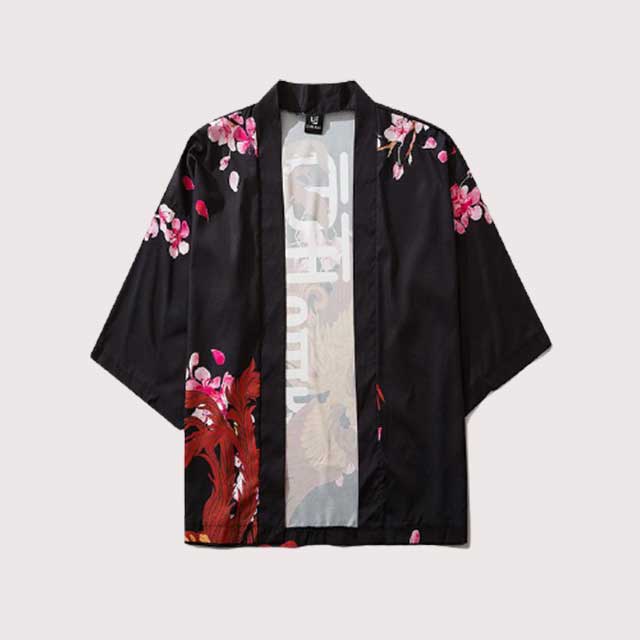
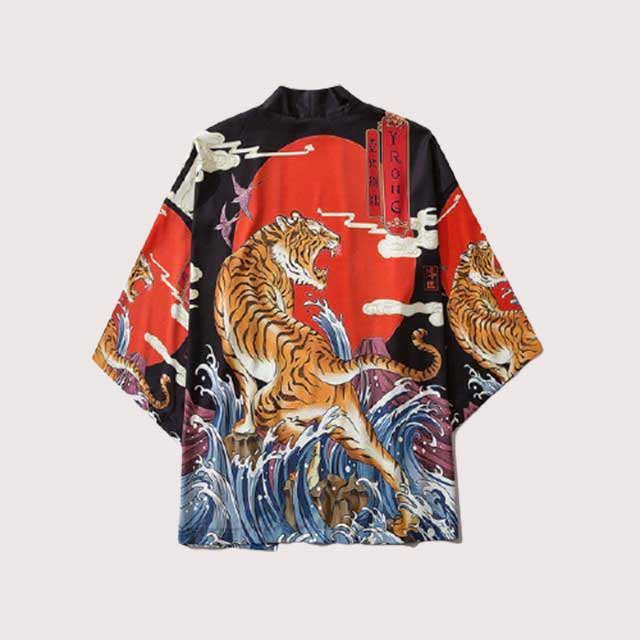
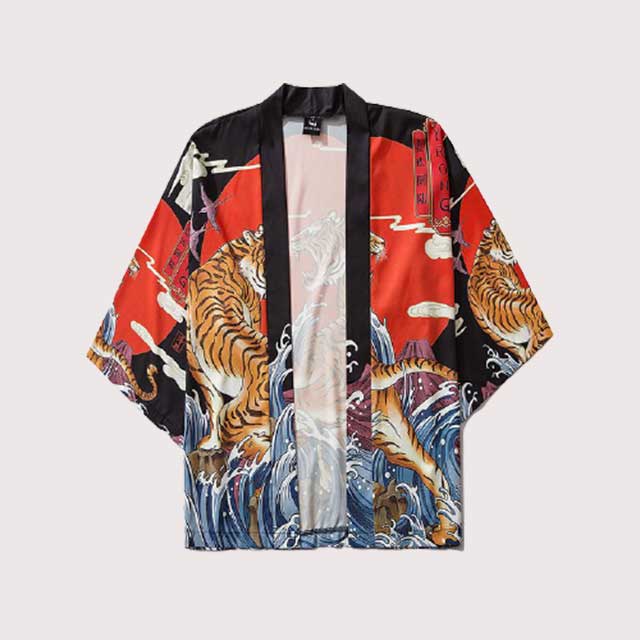
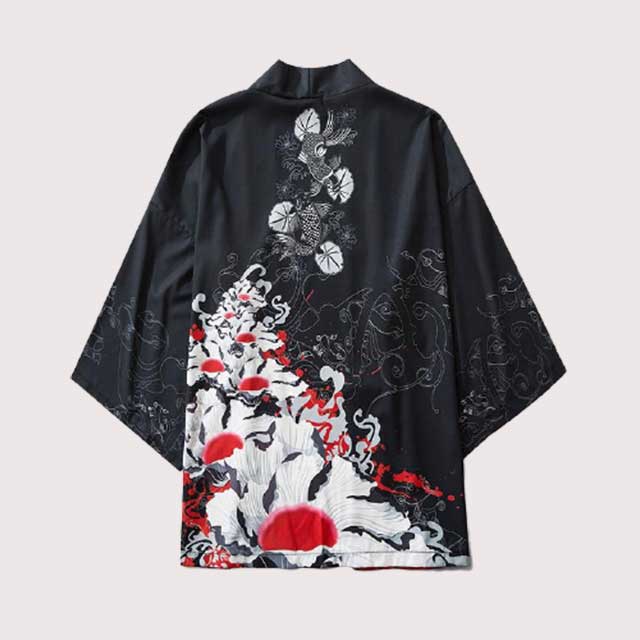
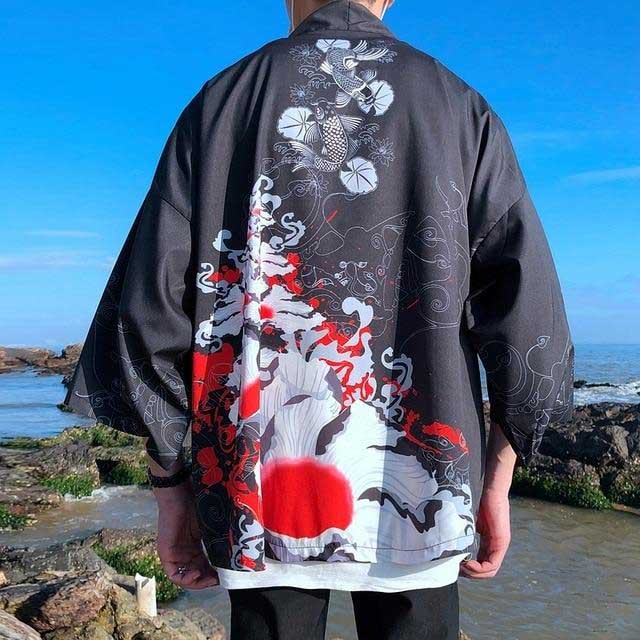
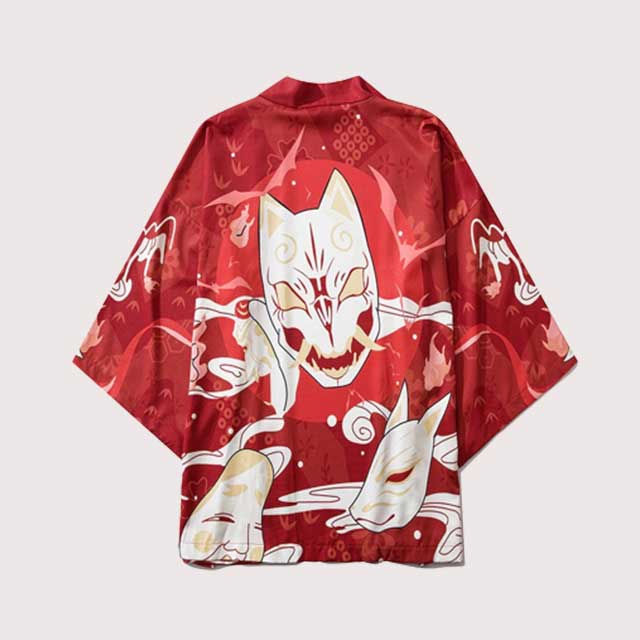
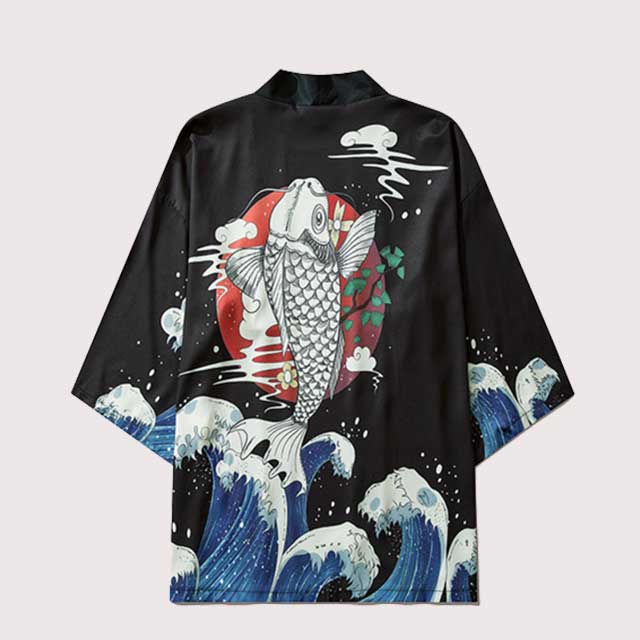
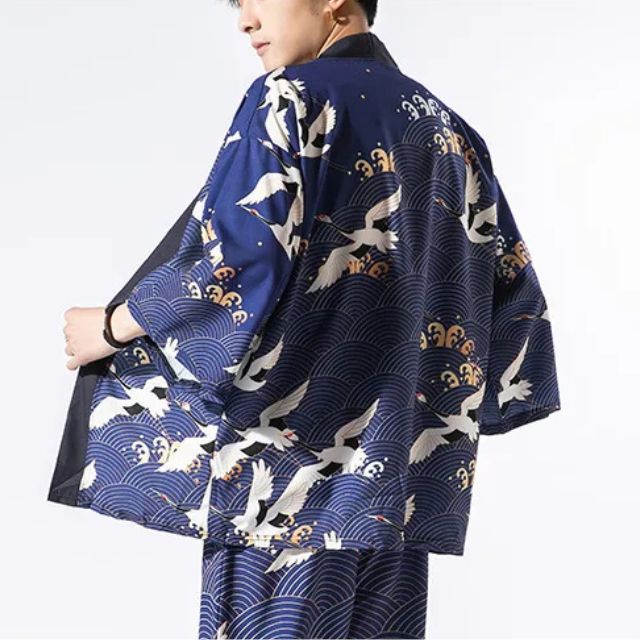
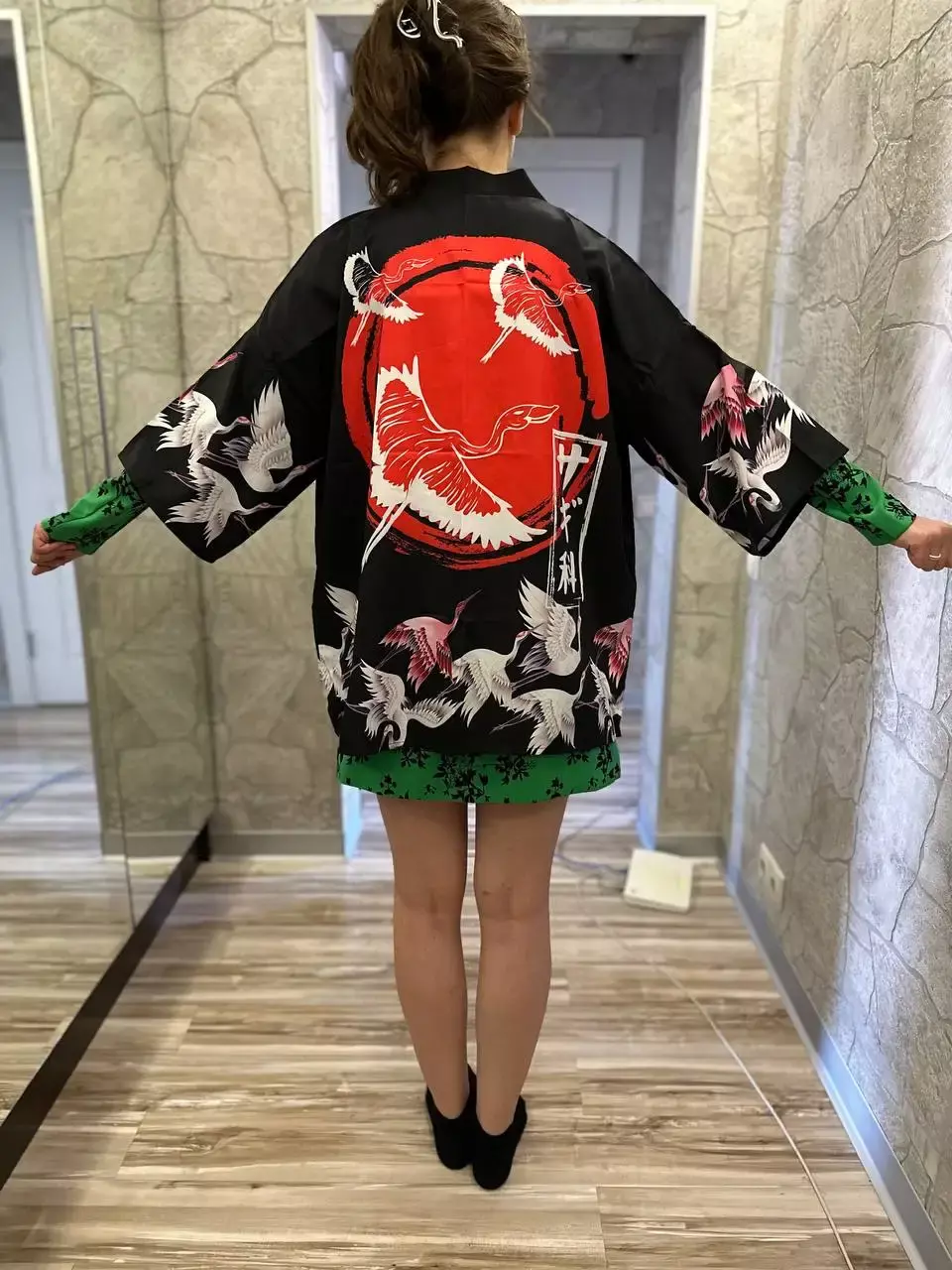
The haori jacket is celebrated worldwide for its elaborate back patterns and symbolic prints. Each design carries deep meaning rooted in Japanese culture and mythology:
Ryū dragon — wisdom, power, balance and good luck
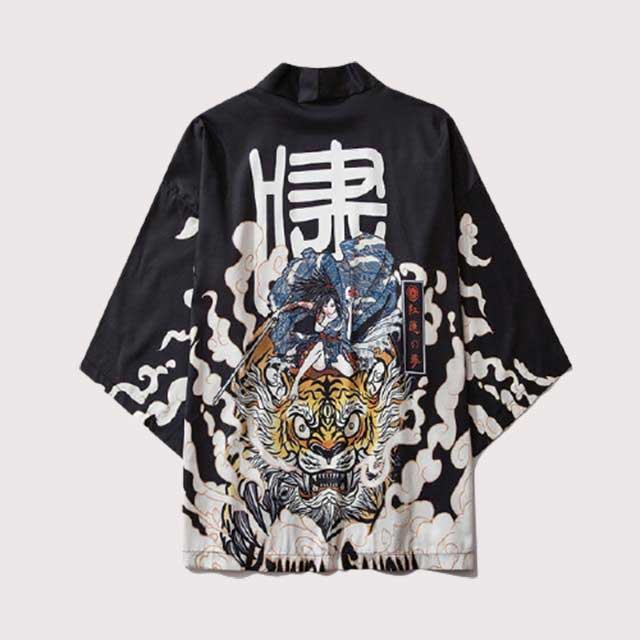
Tiger — blessing and peace
Snake — protection, strength and good fortune
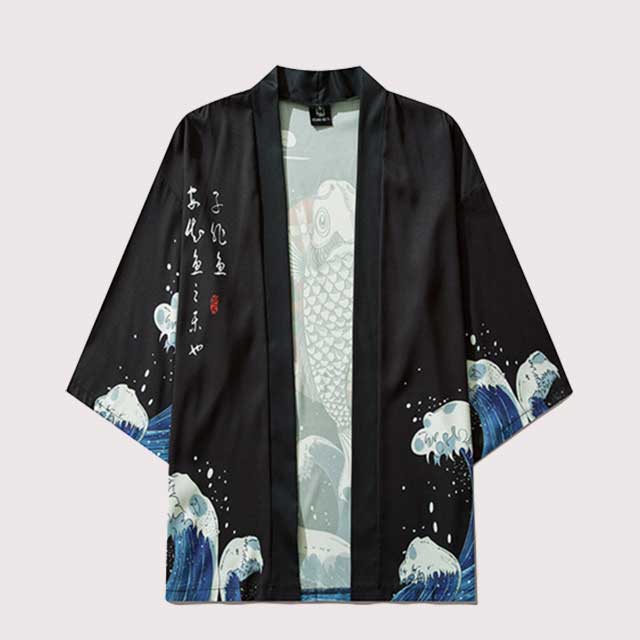
Koi fish — courage, patience and success
Phoenix — great luck, renewal and peace
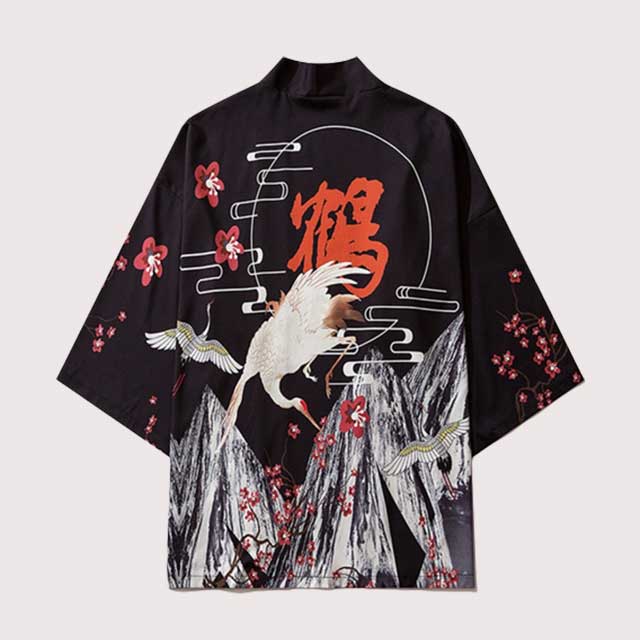
Japanese crane — longevity and good fortune
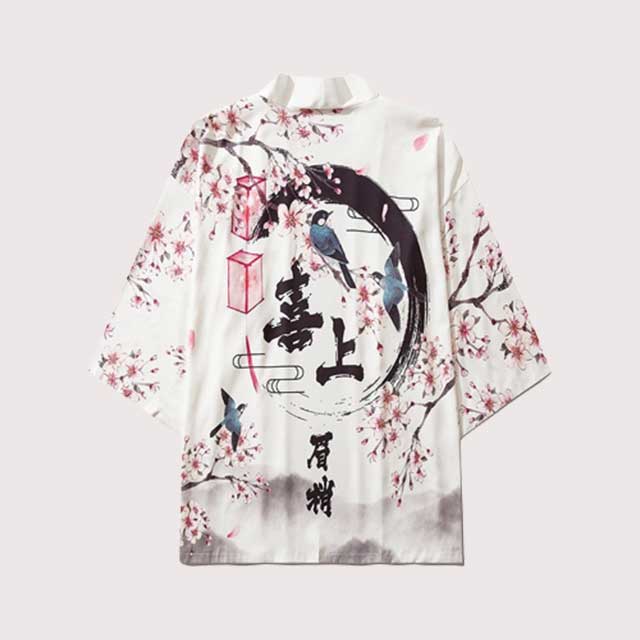
Sakura cherry blossom — beauty, renewal and the passing of time
Kitsune fox — mystery and transformation
Demon Oni — fierce power and protection
Samurai — honor, discipline and warrior spirit
The Great Wave — change, power and the force of nature
These prints are what make this piece more than a fashion item — each one from Eiyo Kimono tells a story.
Haori Jacket vs Kimono — What Is The Difference?
The kimono is a full length floor-to-ankle robe worn as a complete garment. The haori is a shorter hip-length outerwear piece traditionally worn over the kimono as a finishing layer. Think of it as the Japanese equivalent of a blazer or cardigan — adding warmth, formality or style to any existing outfit.
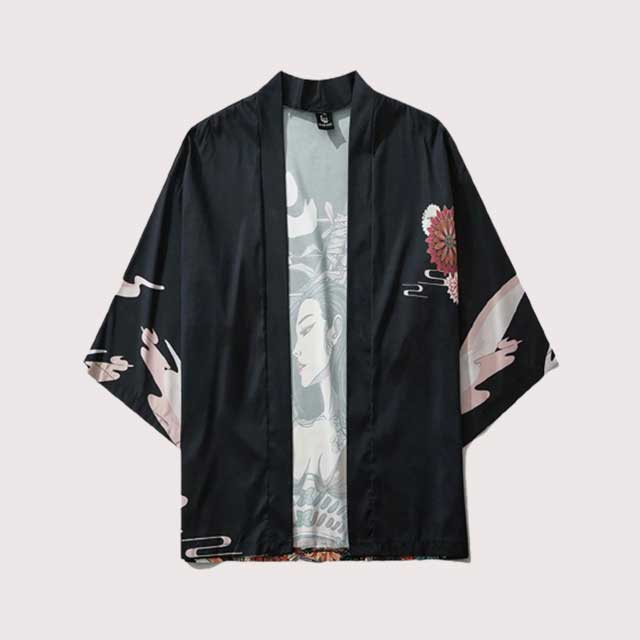
It features a narrower collar than a standard kimono and is constructed with two thin triangular panels at each side seam, giving it its distinctive open drape. Unlike the kimono which wraps and ties, this style hangs open at the front — making it significantly easier to wear and style for everyday use.
Sizing and Fit Guide
Designed with a relaxed oversized silhouette that makes sizing naturally forgiving. When choosing your size consider:
Length — traditional styles sit at the hip. Some modern cuts sit slightly longer for a contemporary look.
Shoulders — the swing sleeve design means shoulder fit is flexible across sizes.
Layering — if you plan to wear over thick sweaters or hoodies, consider sizing up.
Check individual product pages for specific measurements.
How To Care For Your Haori Jacket
To keep your piece looking its best:
Hand wash or gentle machine cycle in cold water
Avoid wringing — the fabric and structure need gentle handling
Hang dry flat to preserve shape and sleeve drape
Iron on low heat if needed — avoid direct heat on printed areas
Store hanging or folded carefully to maintain the back pattern
FAQ
Are haori jackets unisex?
Yes. Traditionally worn by all genders — women's styles tend toward brighter patterns while men's styles favor darker tones. But there are no strict rules. Wear what speaks to you.
Can I wear a haori jacket casually?
Absolutely. This style has become a global Japanese streetwear staple. Worn open over basics it works for everyday outings, events and casual fashion statements without any formality required.
What material are your haori jackets made from?
Traditional versions use silk, satin or cotton. Our modern interpretations use polyester blends for durability and affordability while maintaining the look and feel of authentic Japanese outerwear.
How is a haori different from a sukajan jacket?
A sukajan is a Japanese souvenir bomber jacket with embroidered designs, originally created for American soldiers in postwar Japan. The haori jacket is rooted in traditional Japanese kimono culture with a longer, more flowing silhouette. Both are iconic pieces of Japanese outerwear with distinct histories.
Explore our full collection and find your perfect piece. From bold dragon prints to minimalist solids — Eiyo Kimono delivers authentic Japanese outerwear for women and men worldwide.