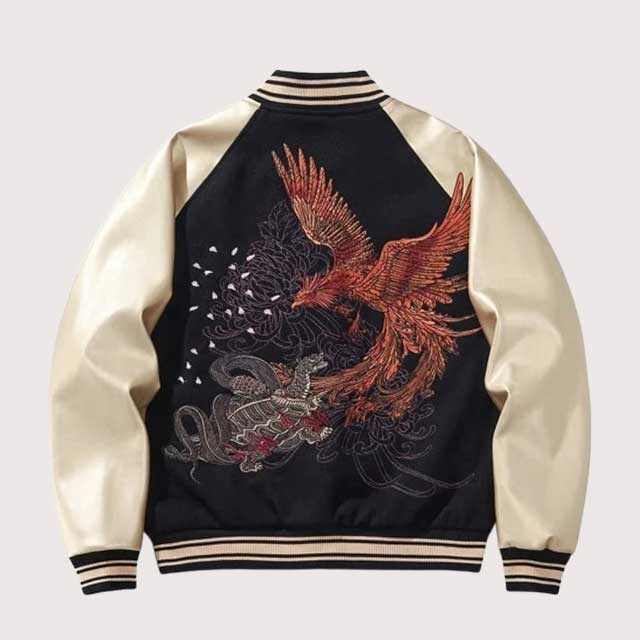
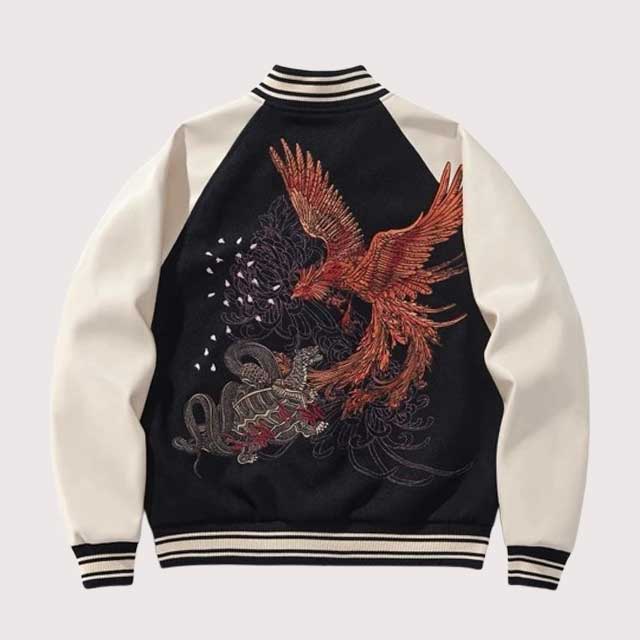
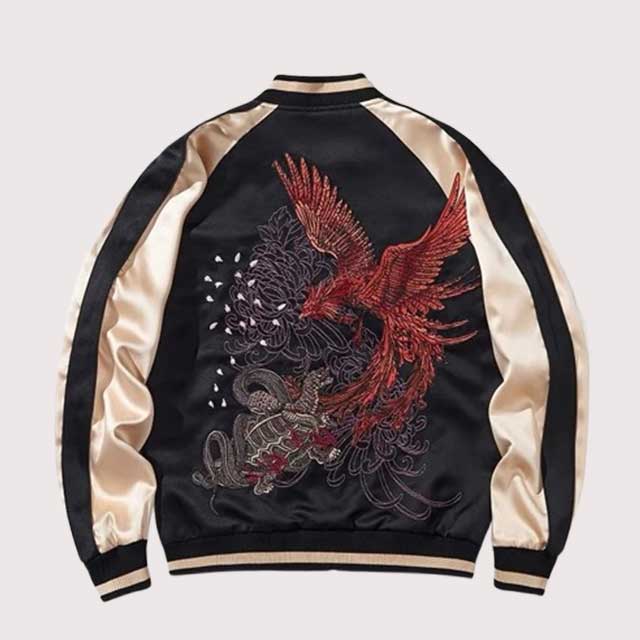
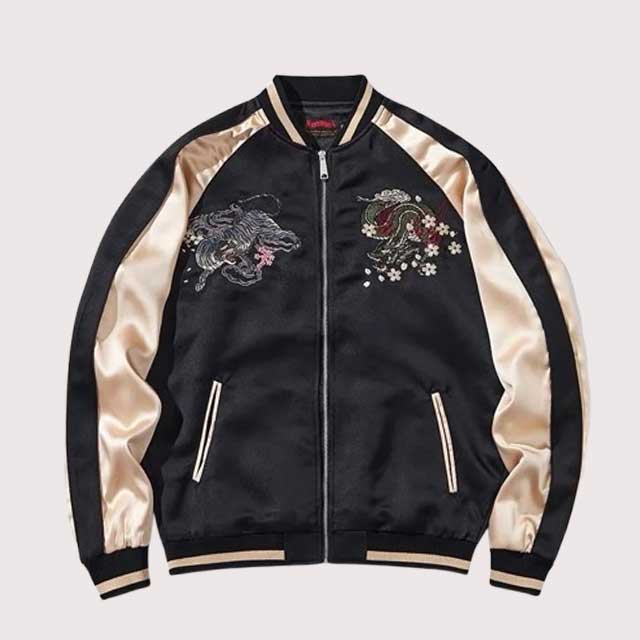
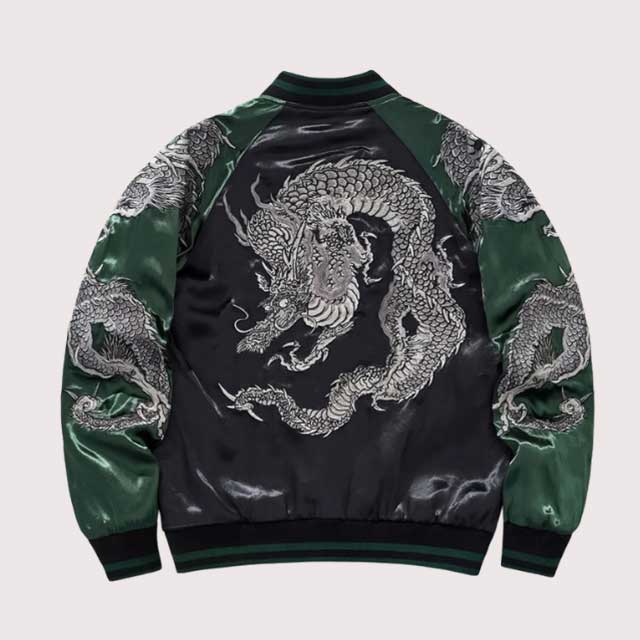
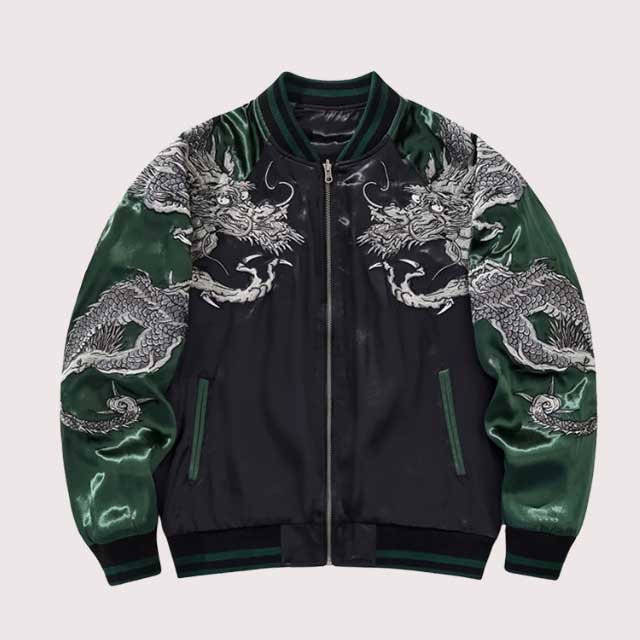
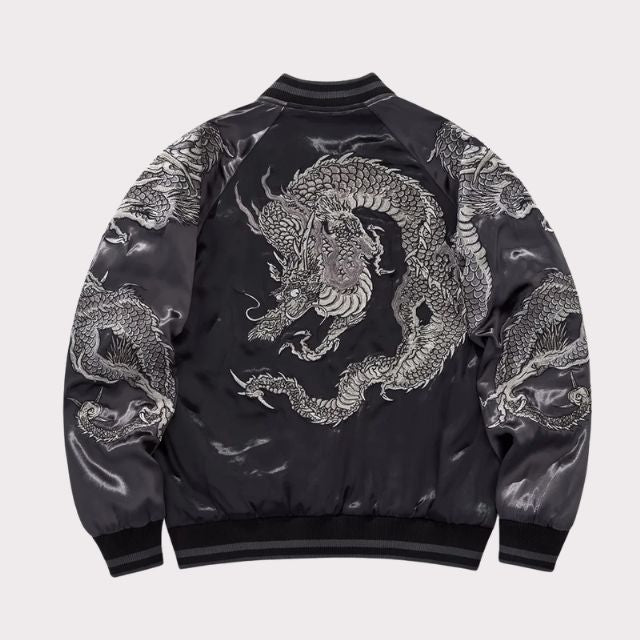
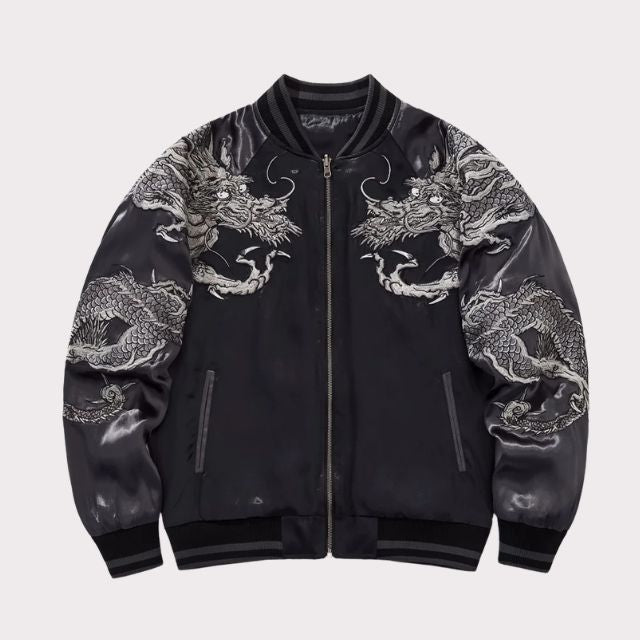
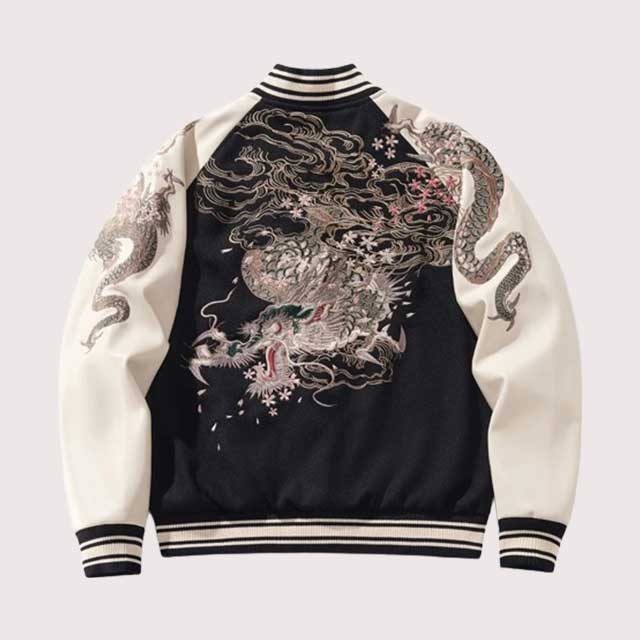
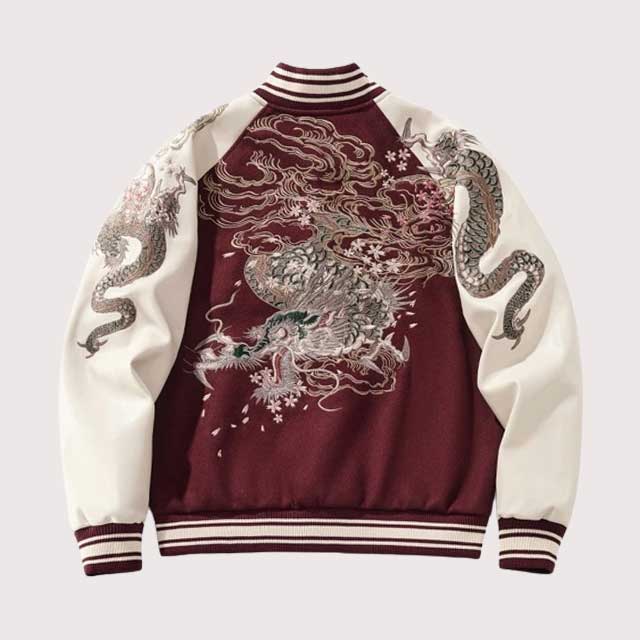
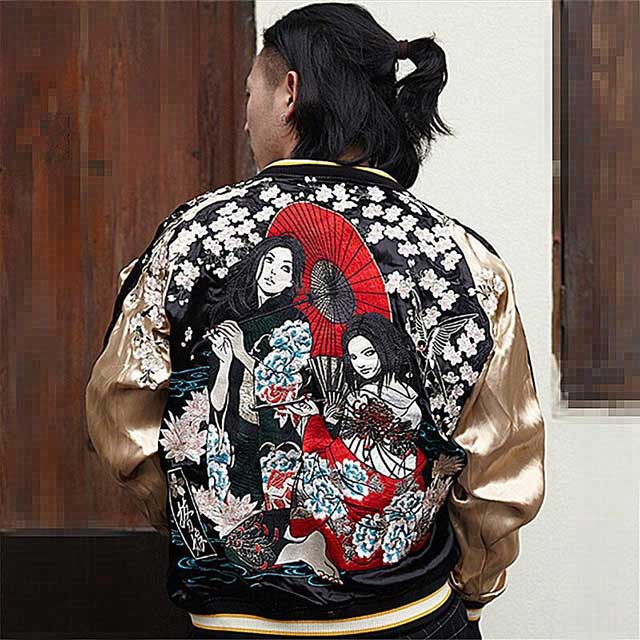
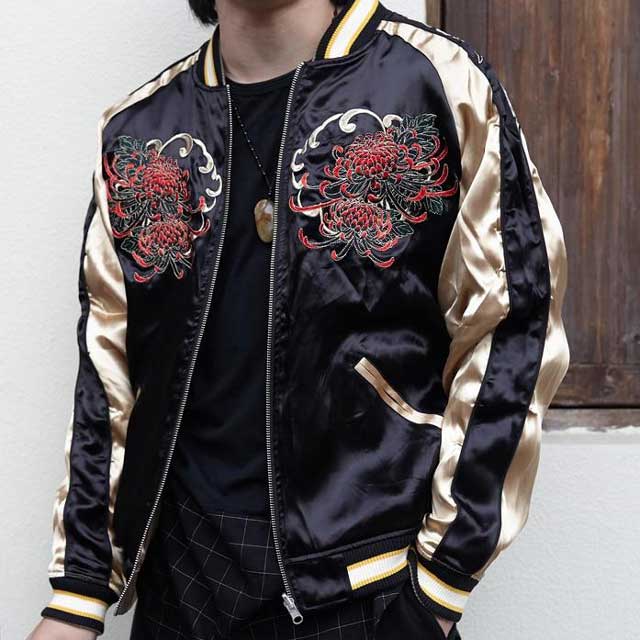
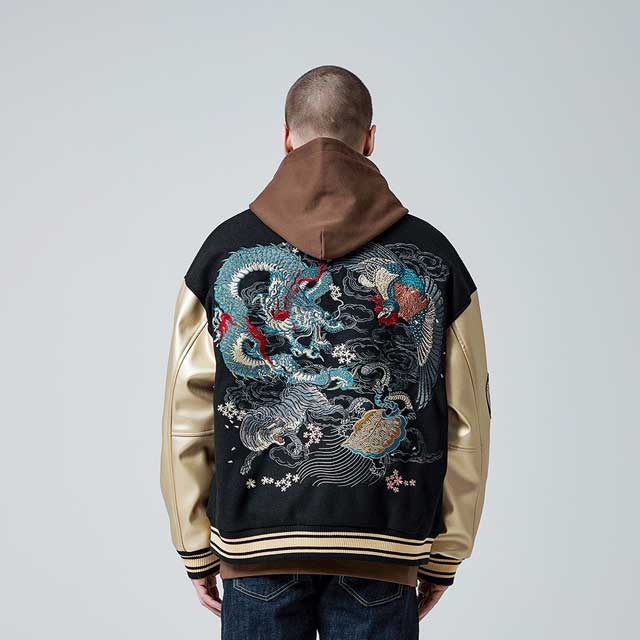
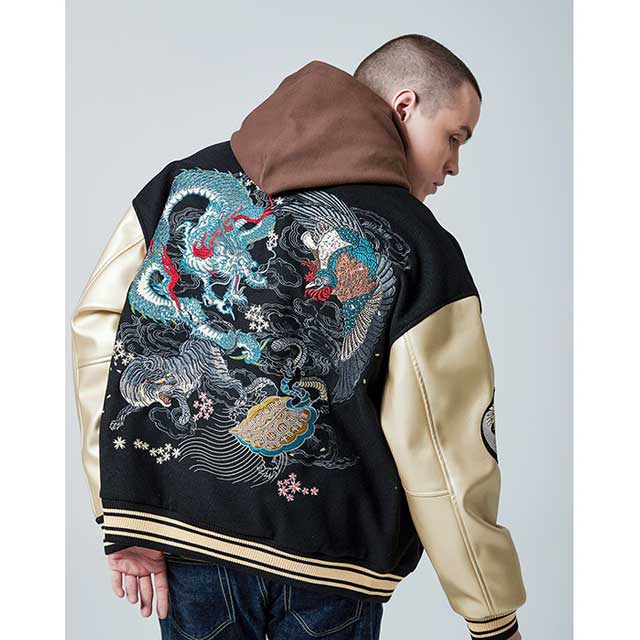
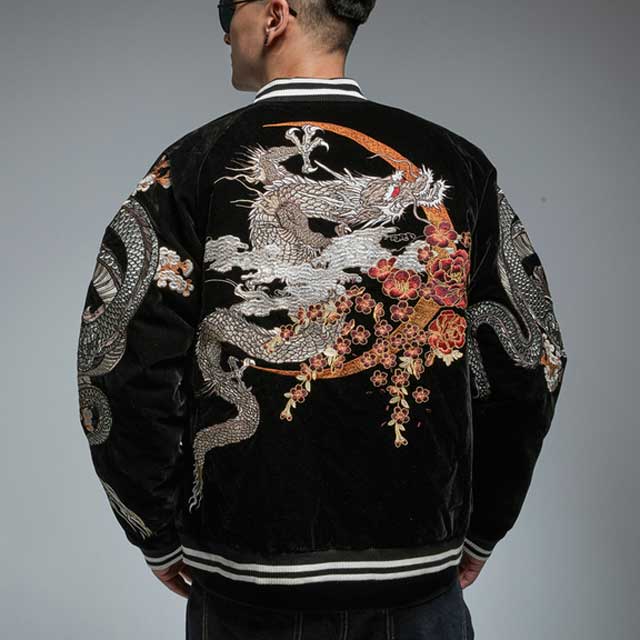
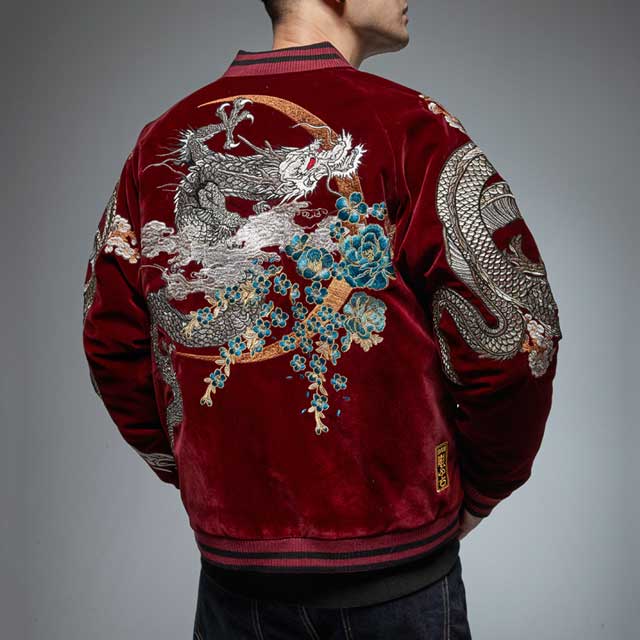
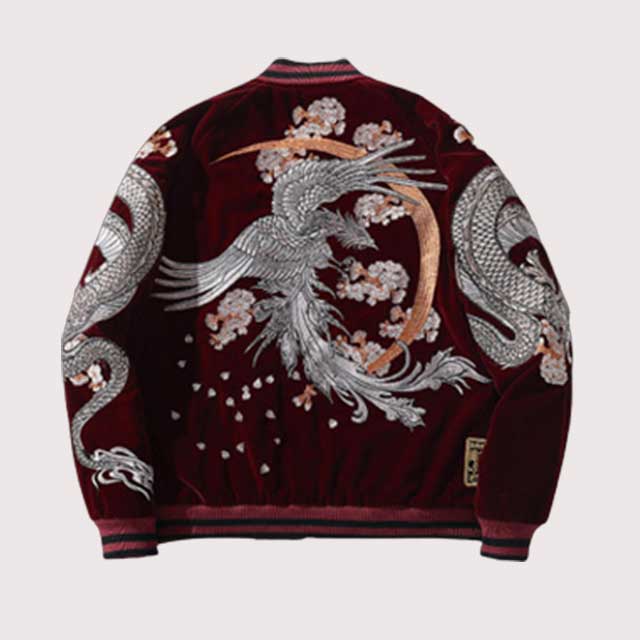
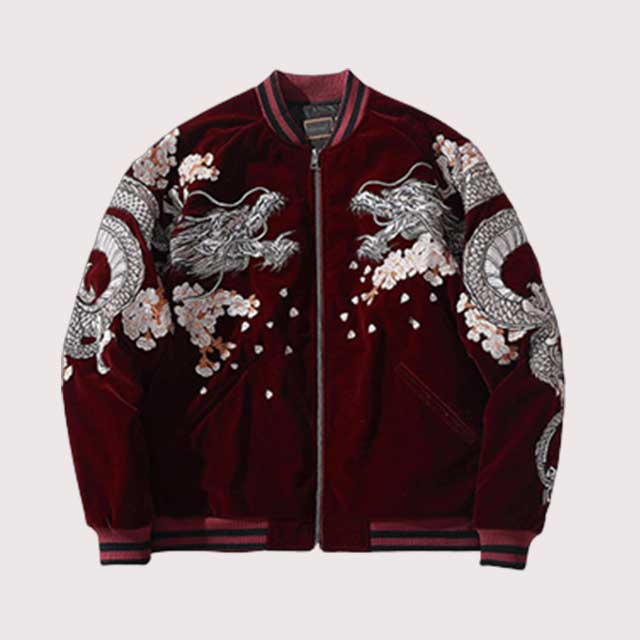
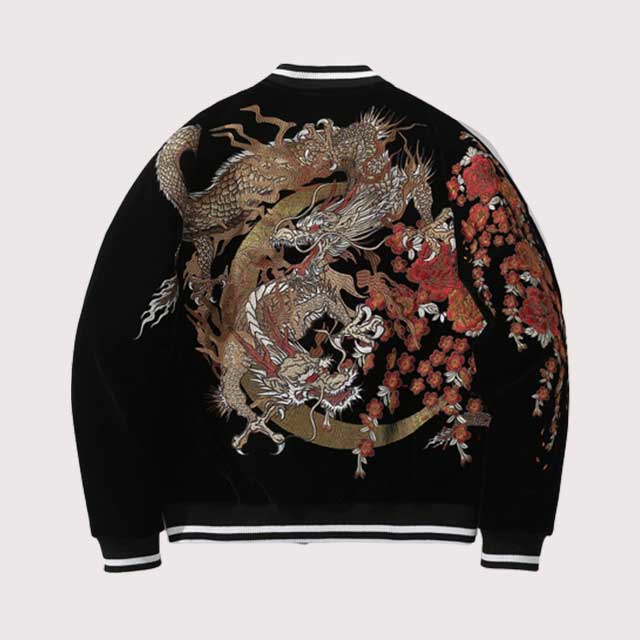
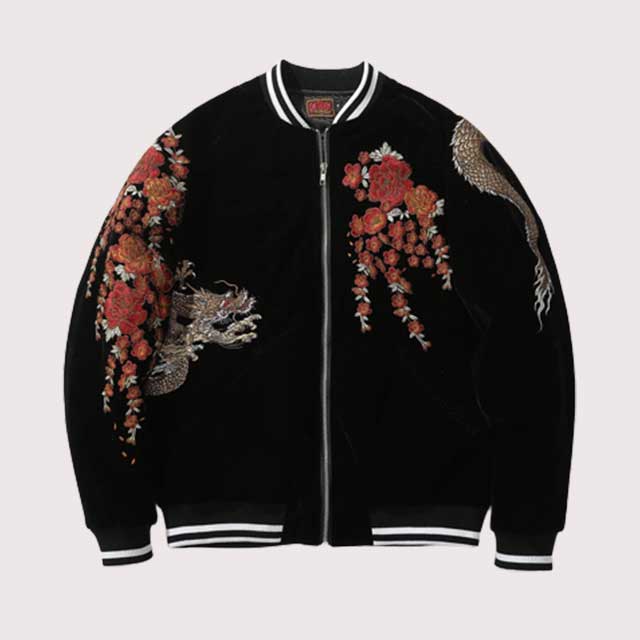
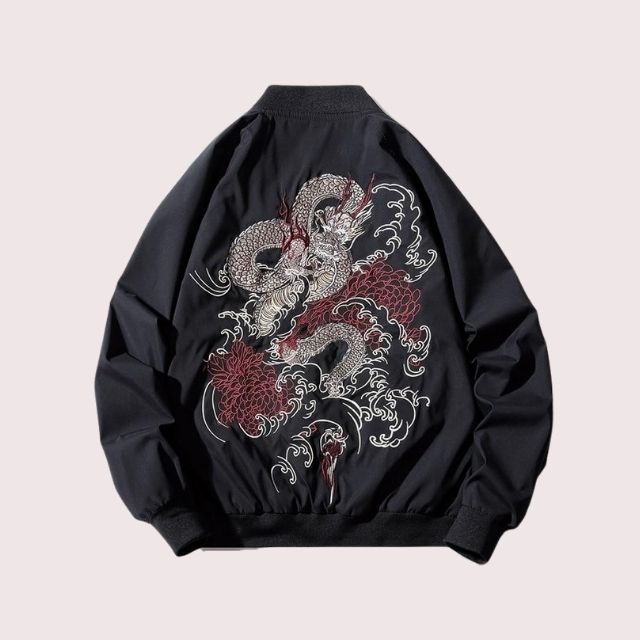
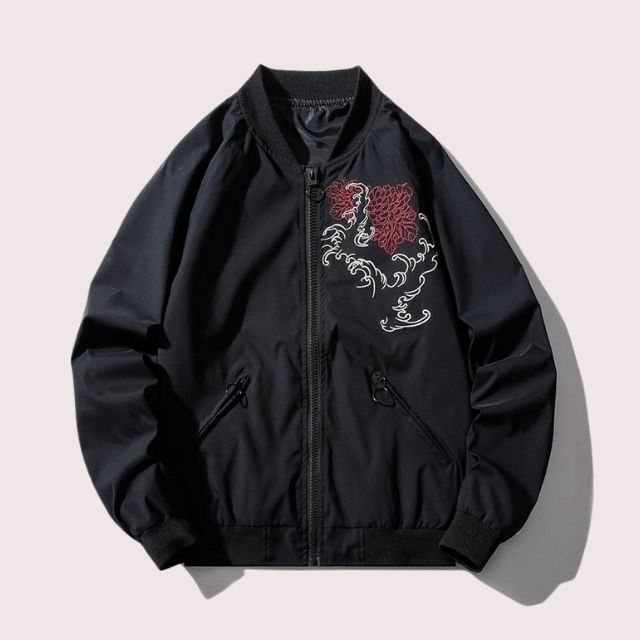
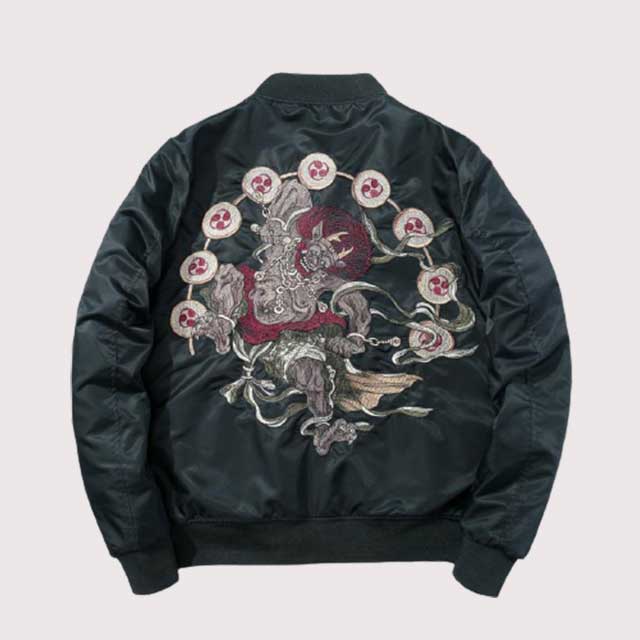
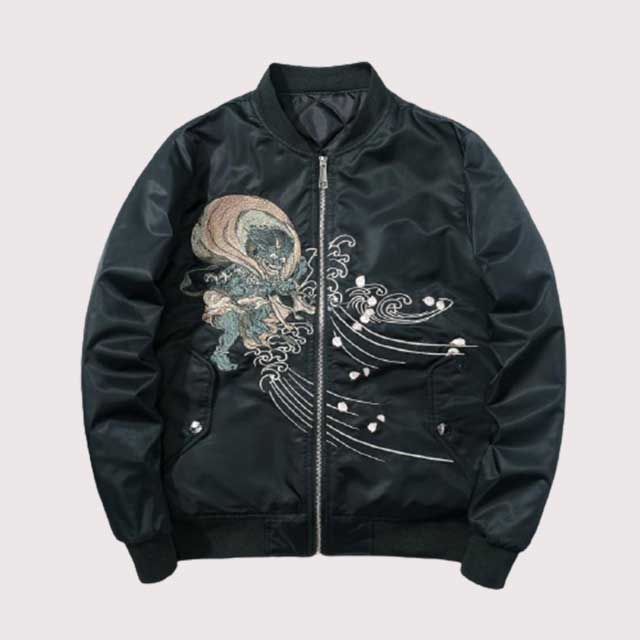
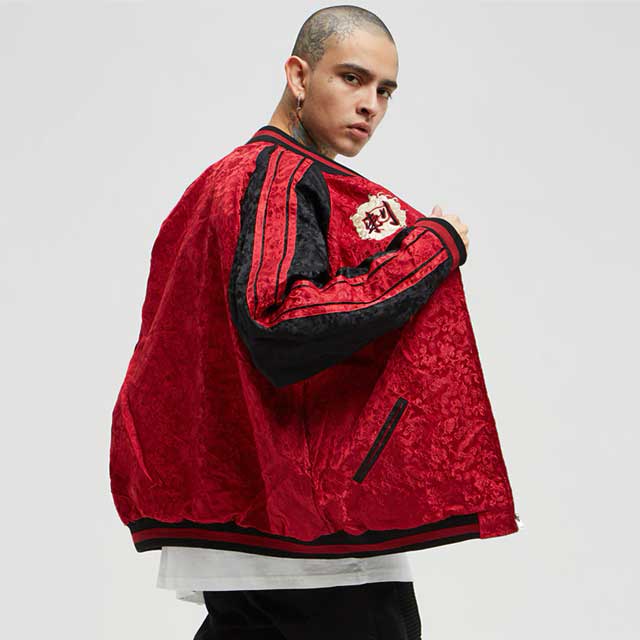
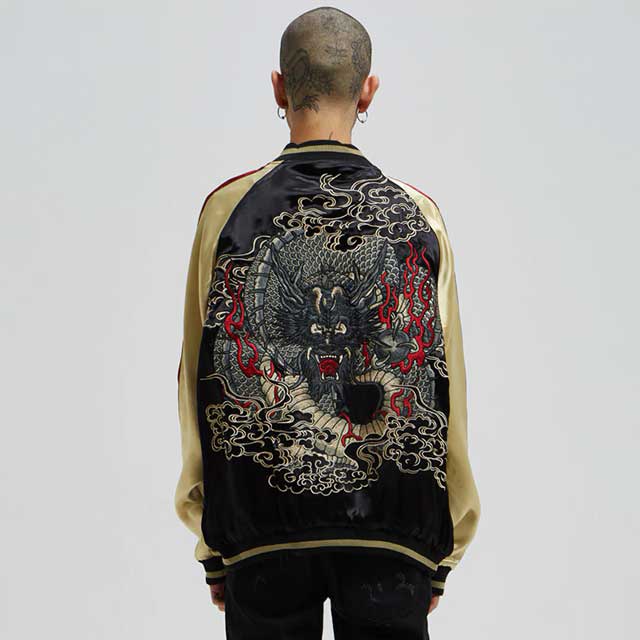
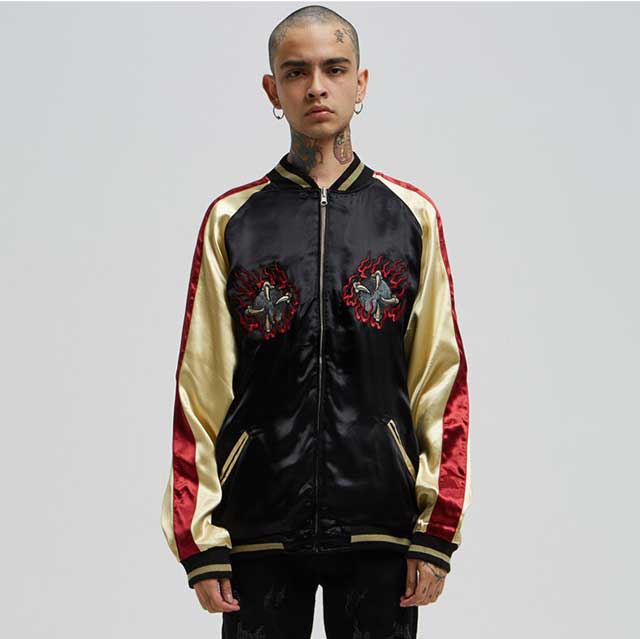
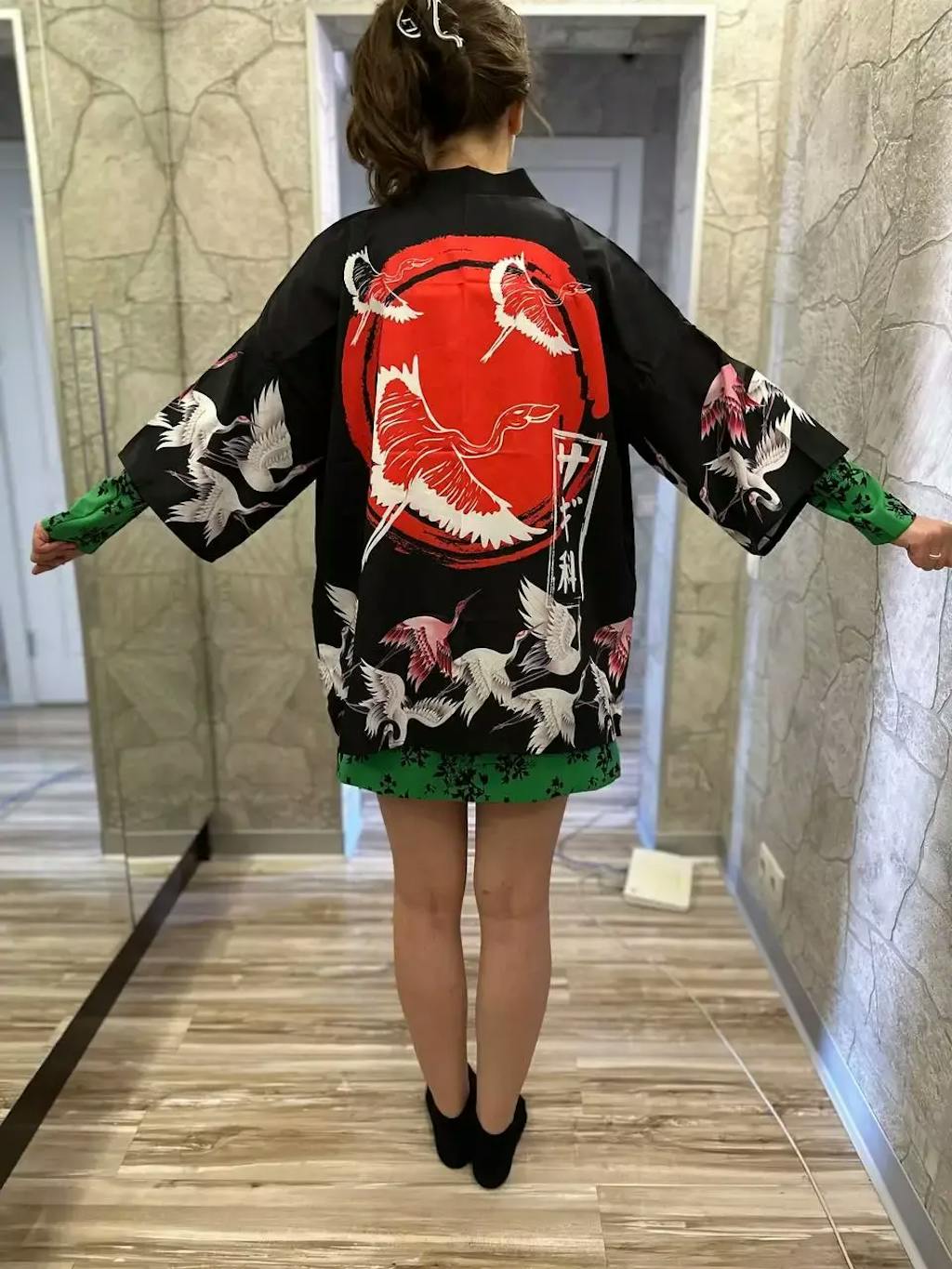
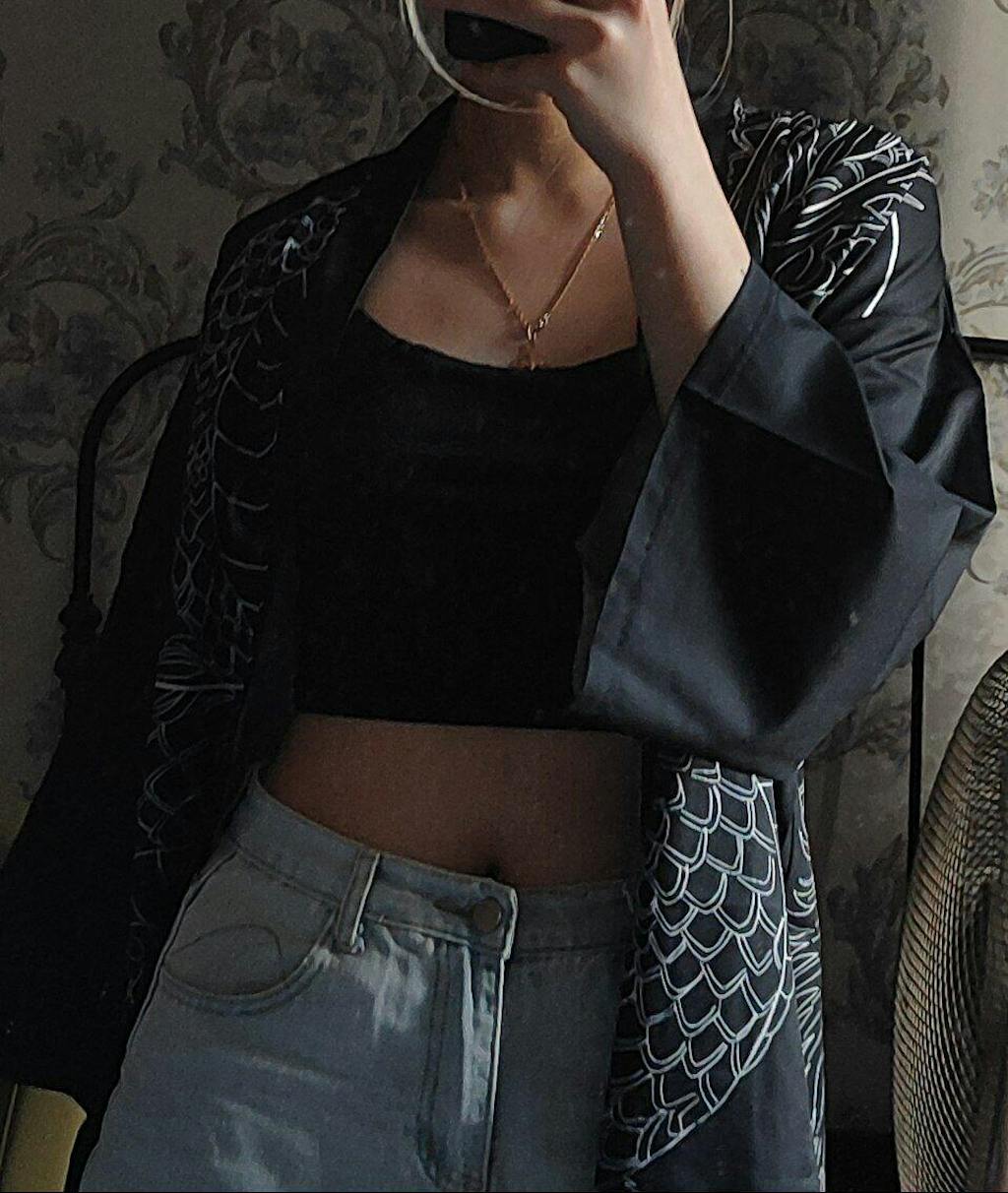
The sukajan jacket is one of the most culturally loaded pieces in Japanese fashion — a garment born from the intersection of postwar history, rebellious youth culture and stunning traditional Japanese craftsmanship. Bold, embroidered and unmistakably Japanese, this iconic bomber has traveled from the streets of occupied Yokosuka to the runways of Dior and Louis Vuitton — and into wardrobes worldwide.
At Eiyo Kimono our collection brings authentic Japanese bomber jacket heritage to modern wardrobes for men and women. From striking dragon embroideries to bold graphic prints — shipped worldwide.
What Is A Sukajan Jacket?
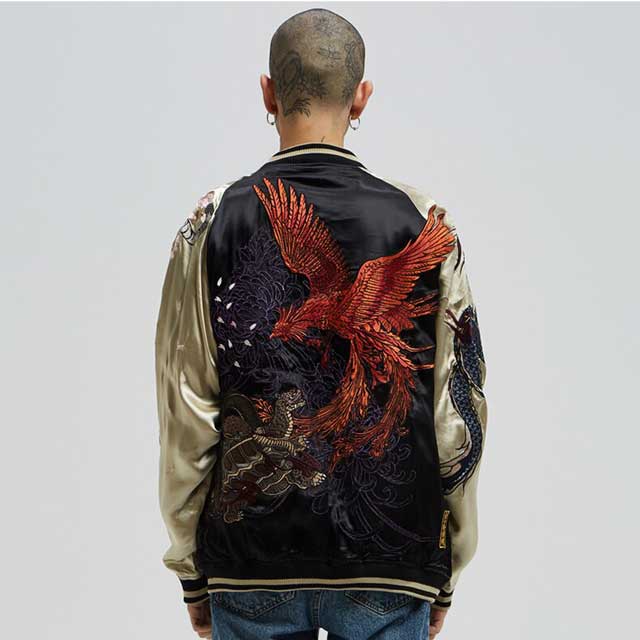
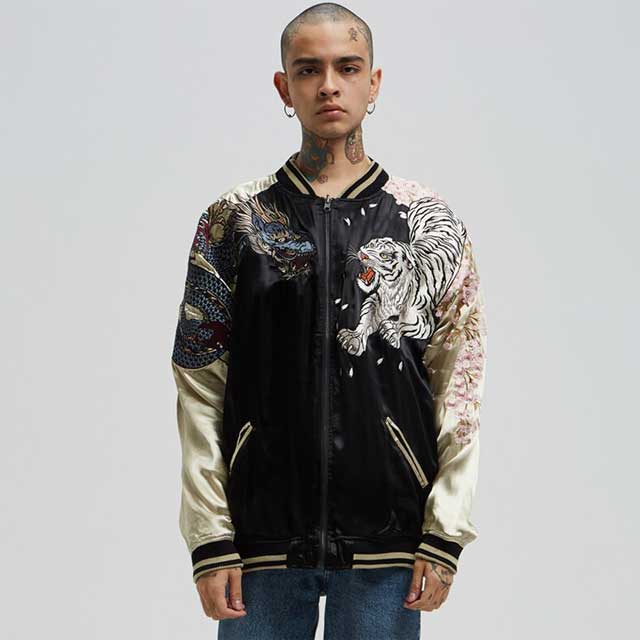
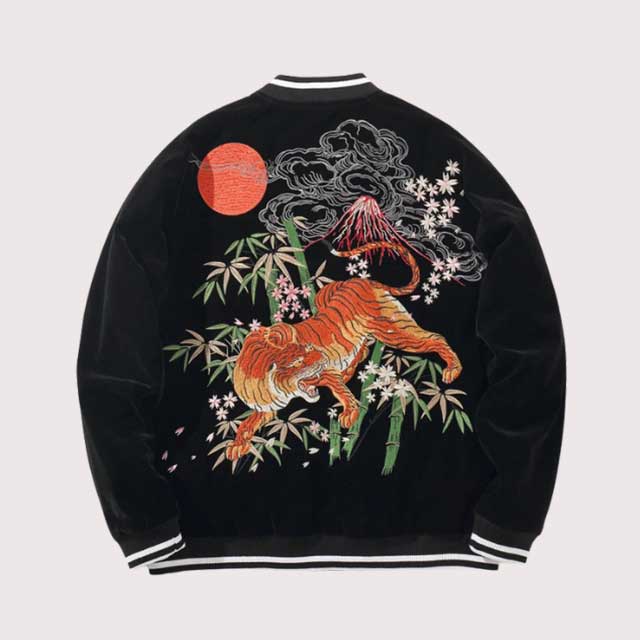
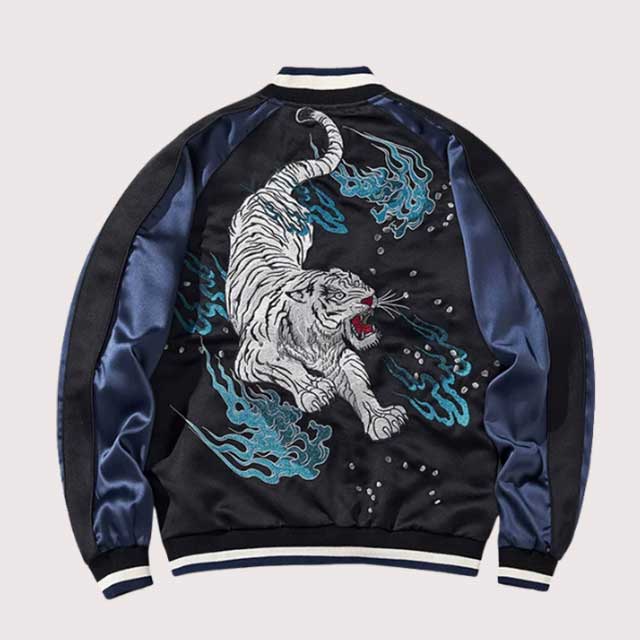
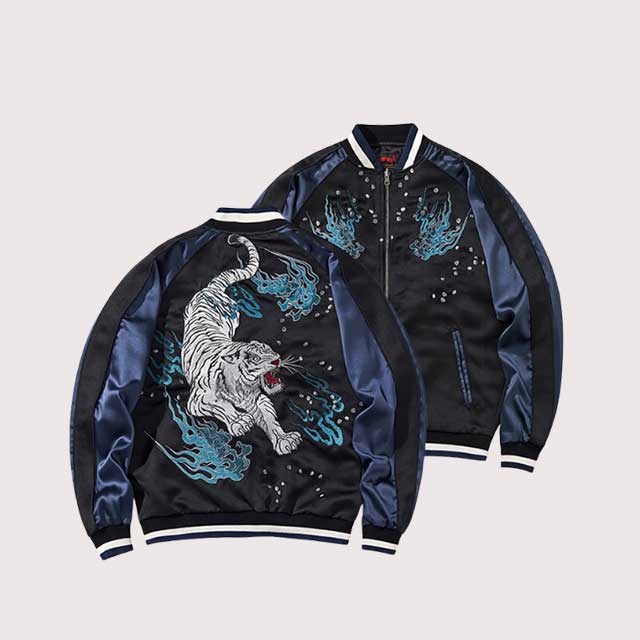
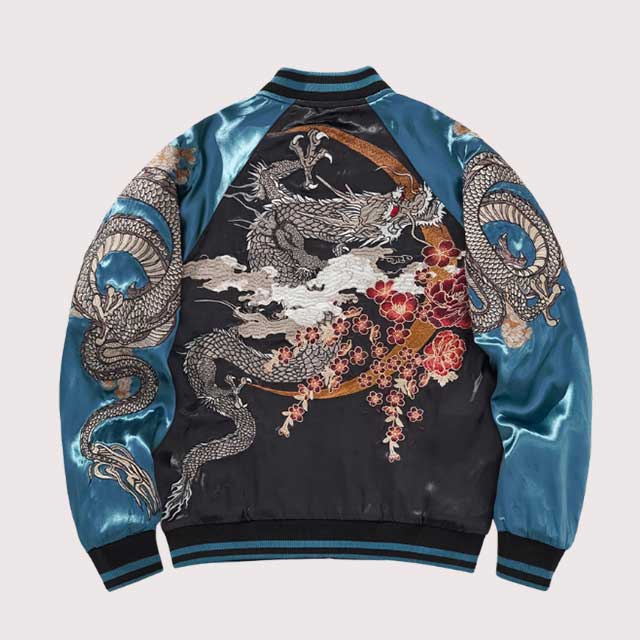
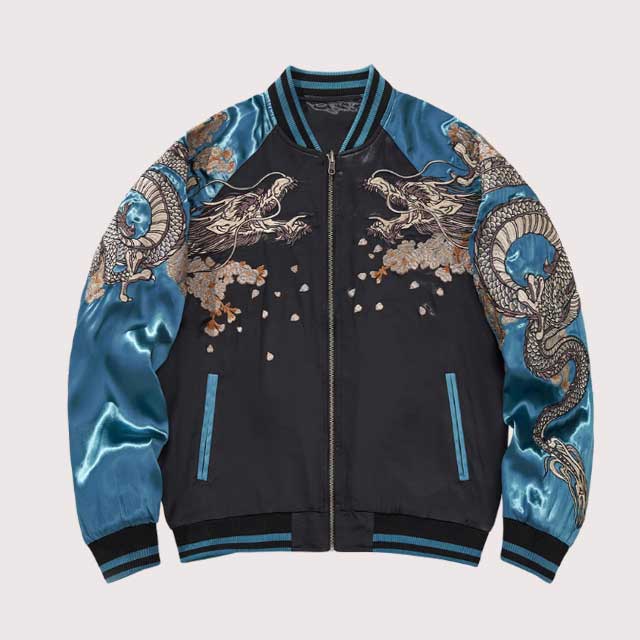
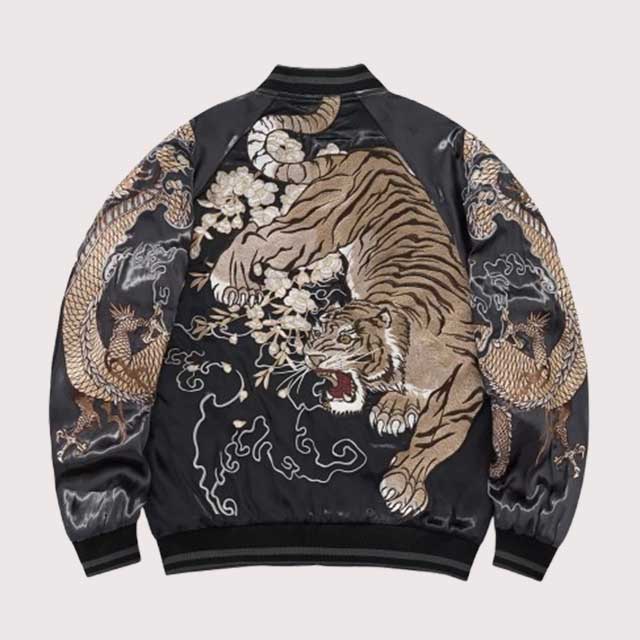
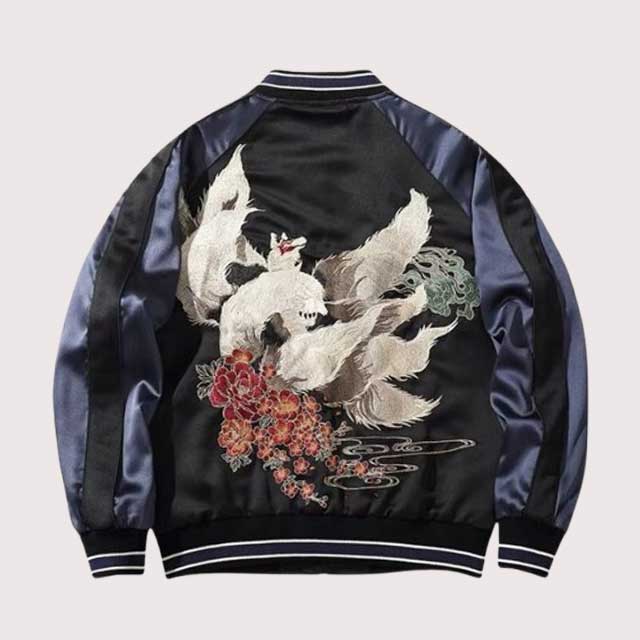
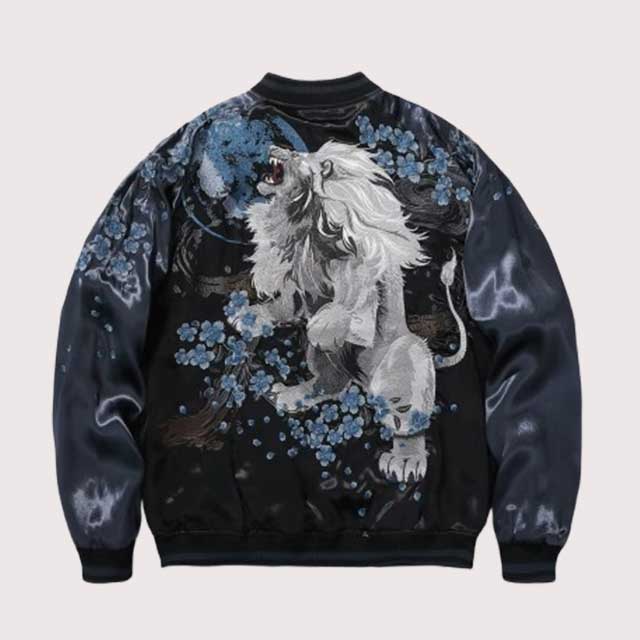
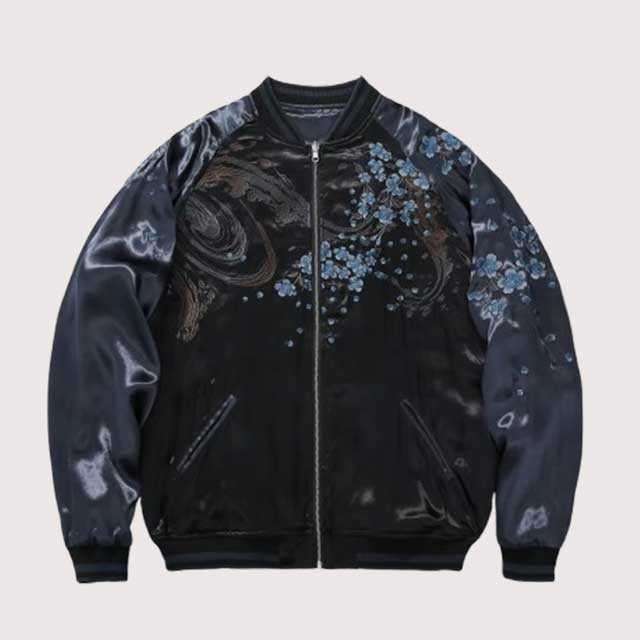
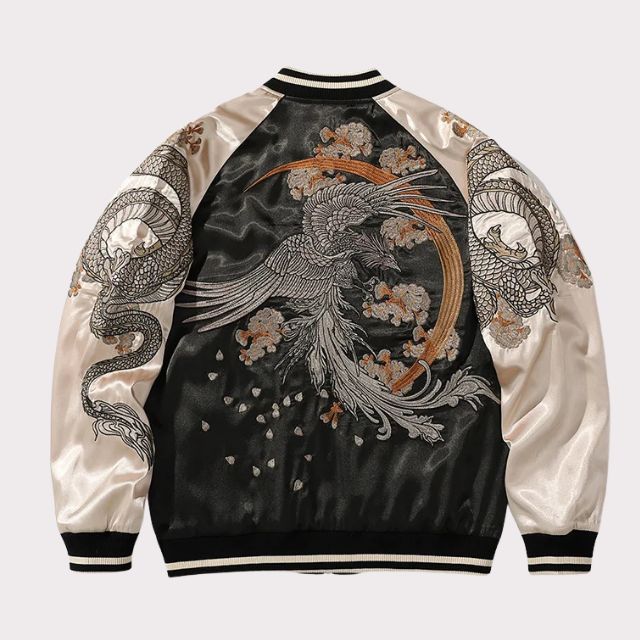
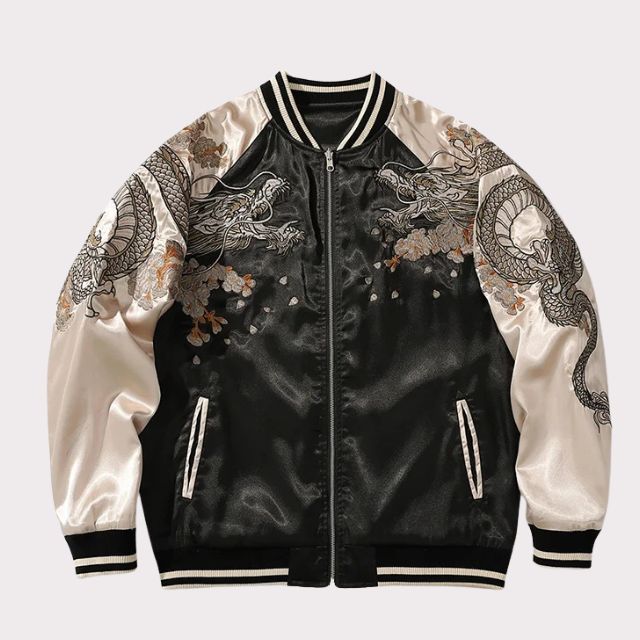
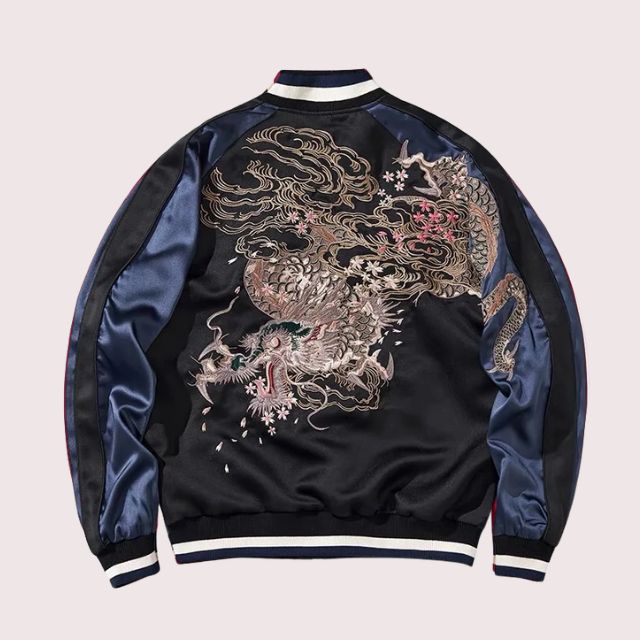
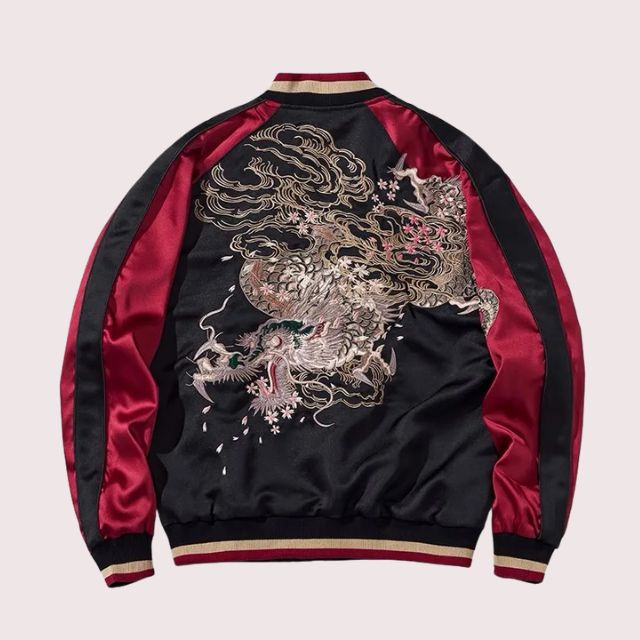
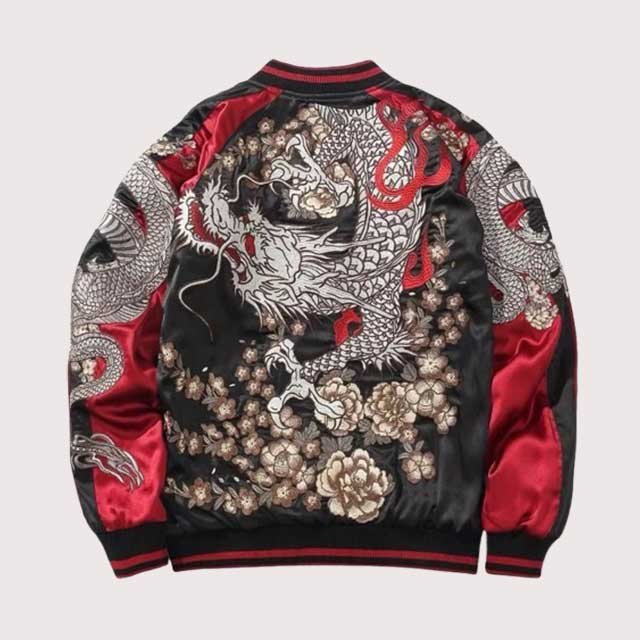
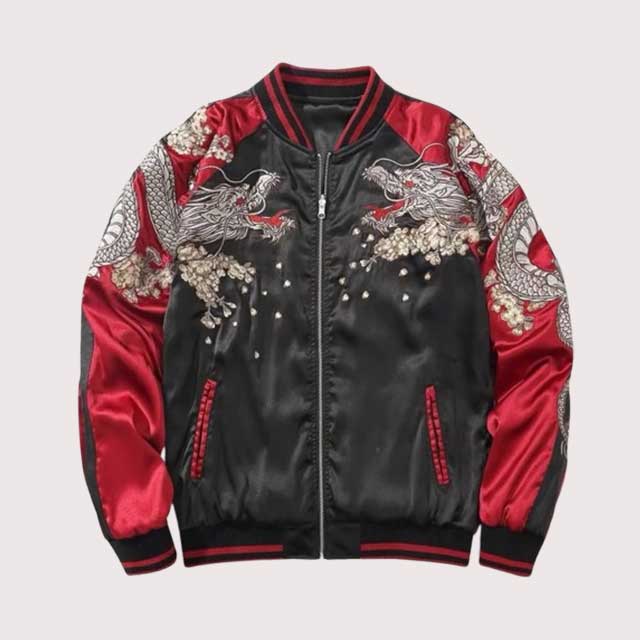
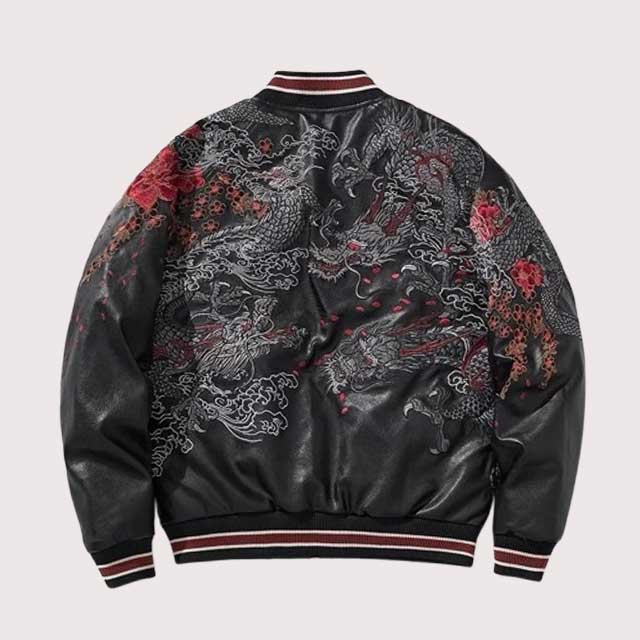
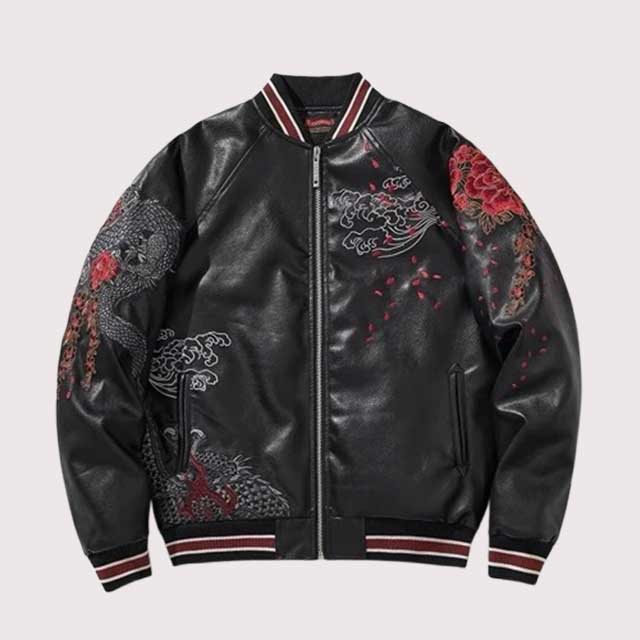
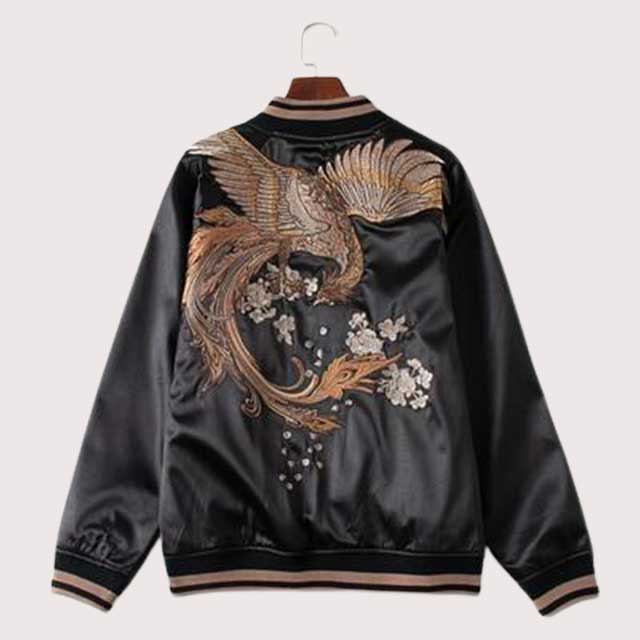
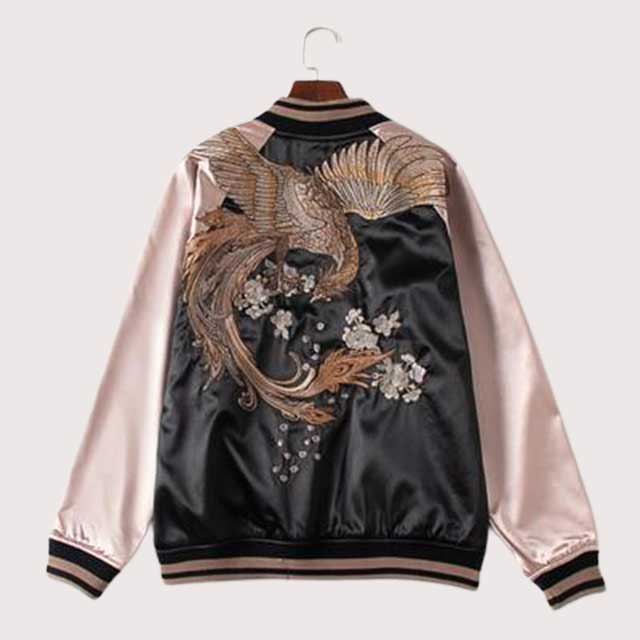
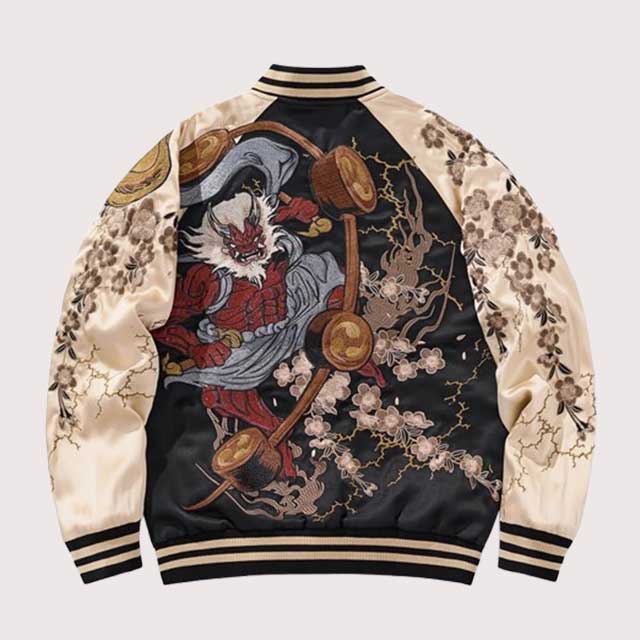
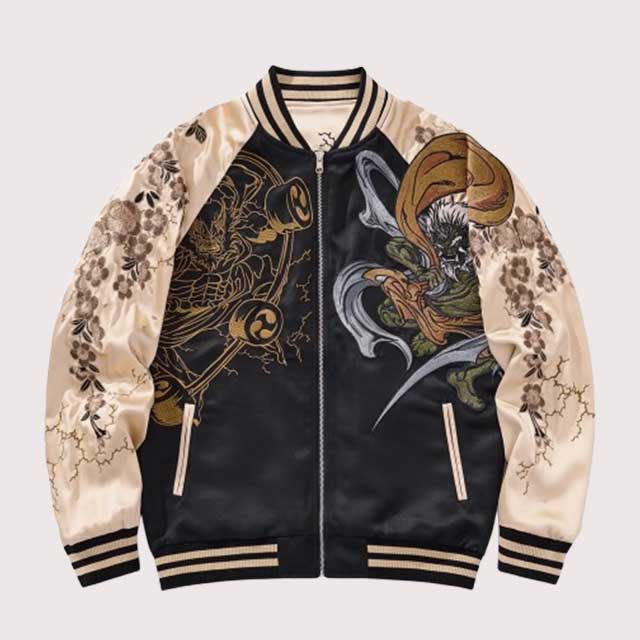
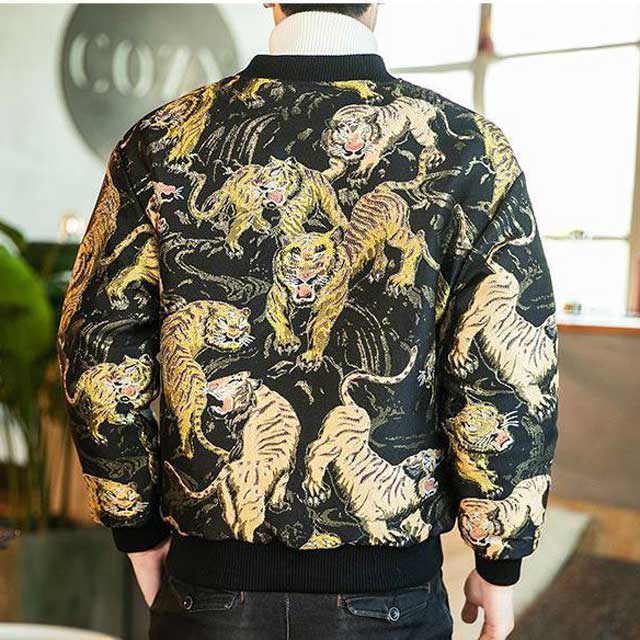
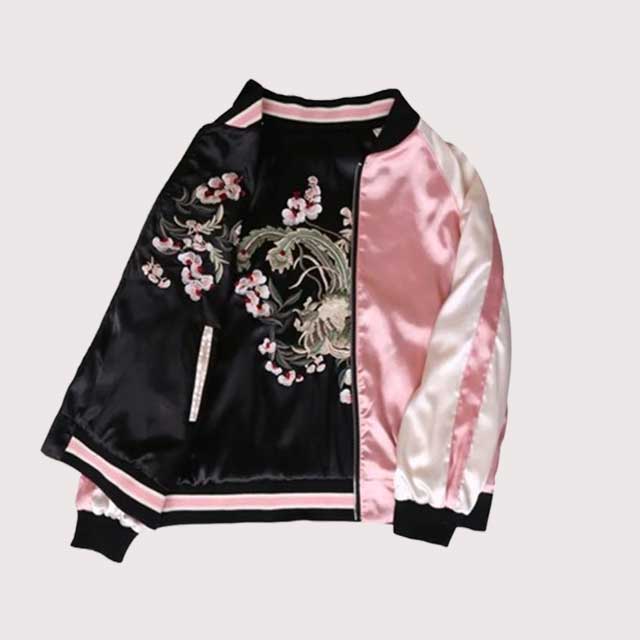
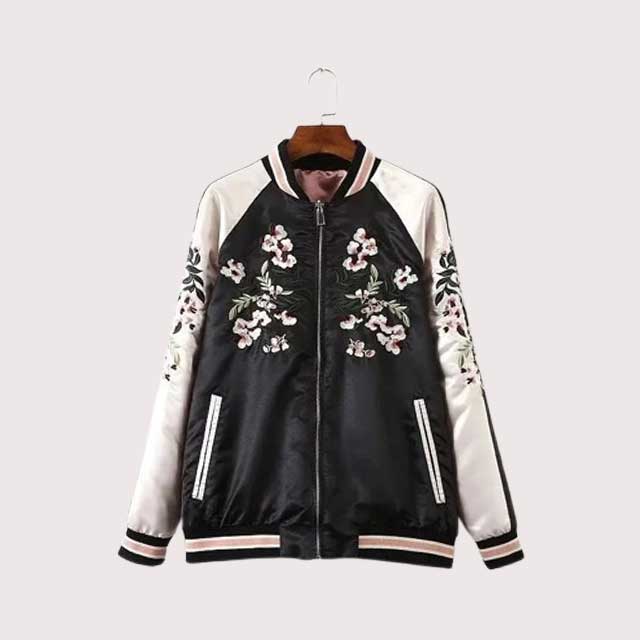
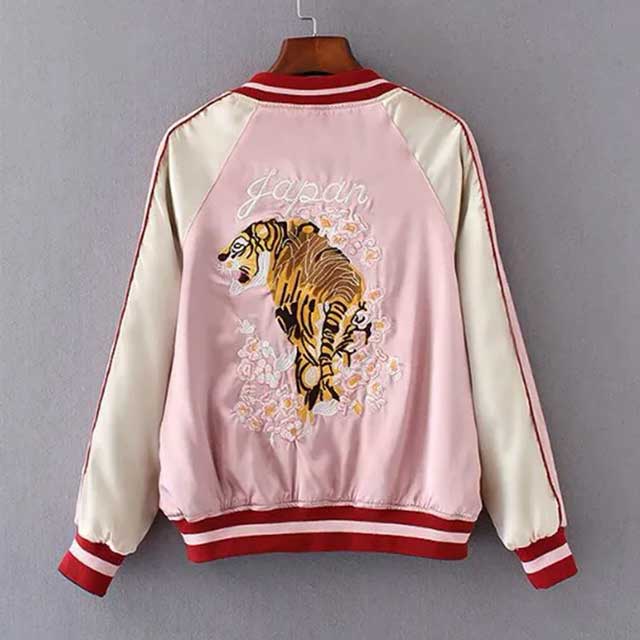
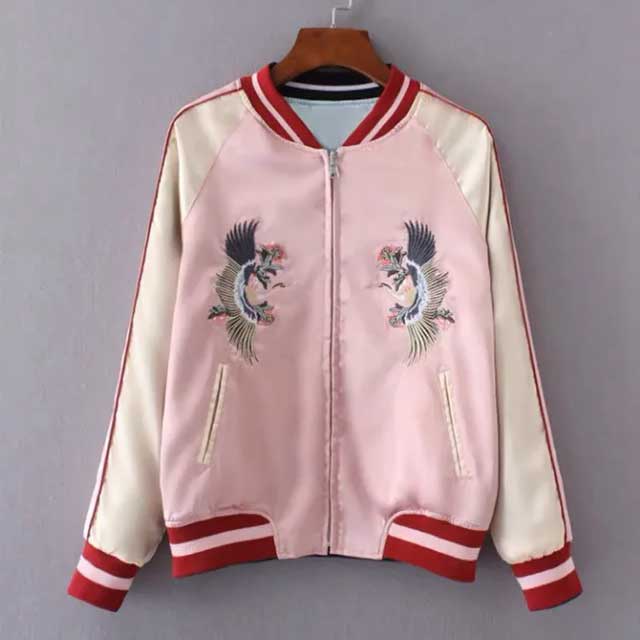
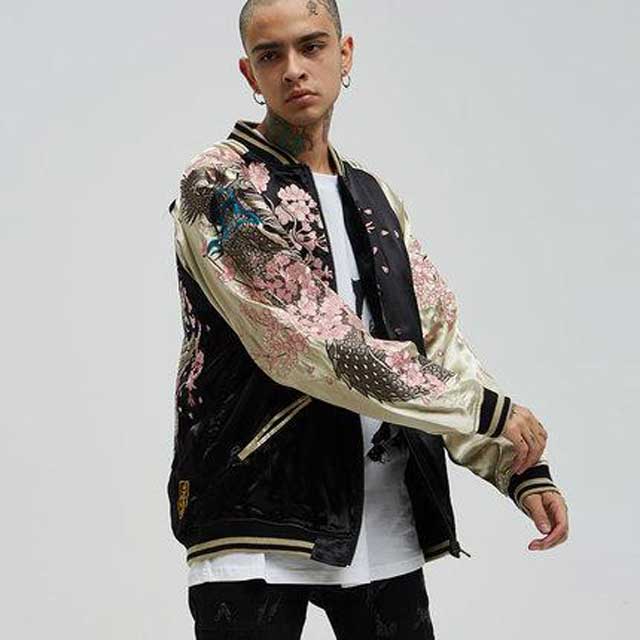
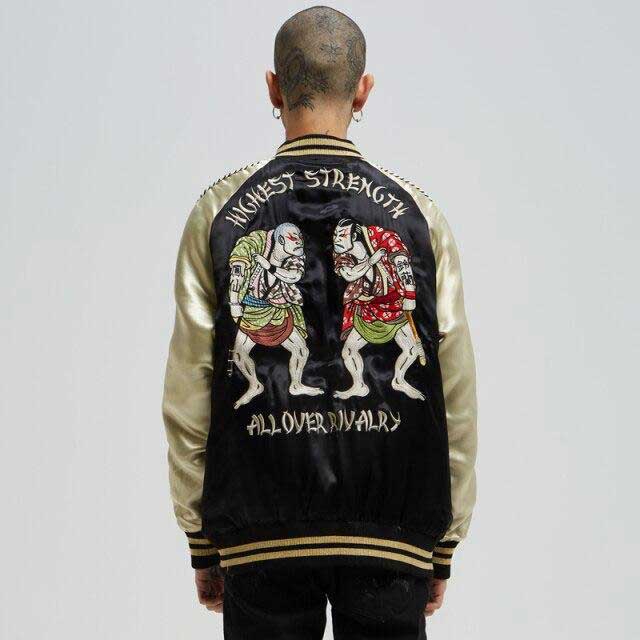
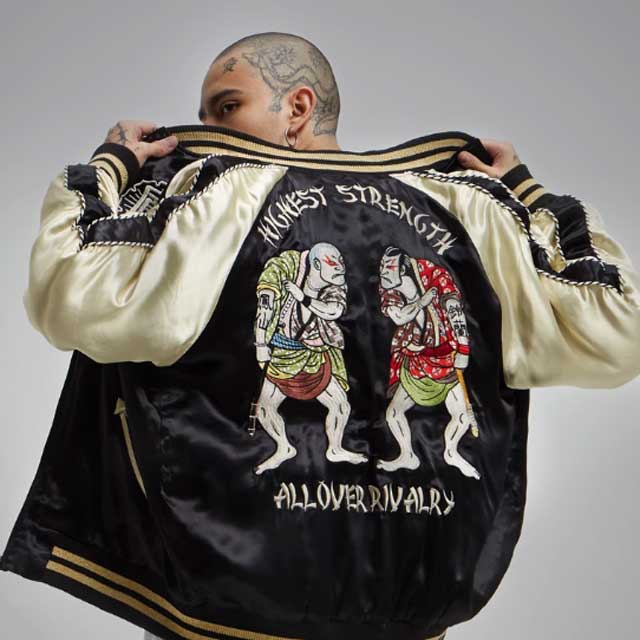
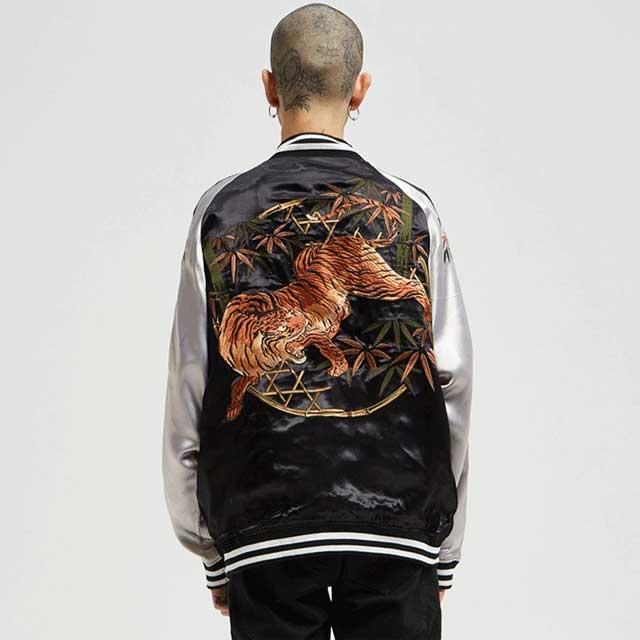
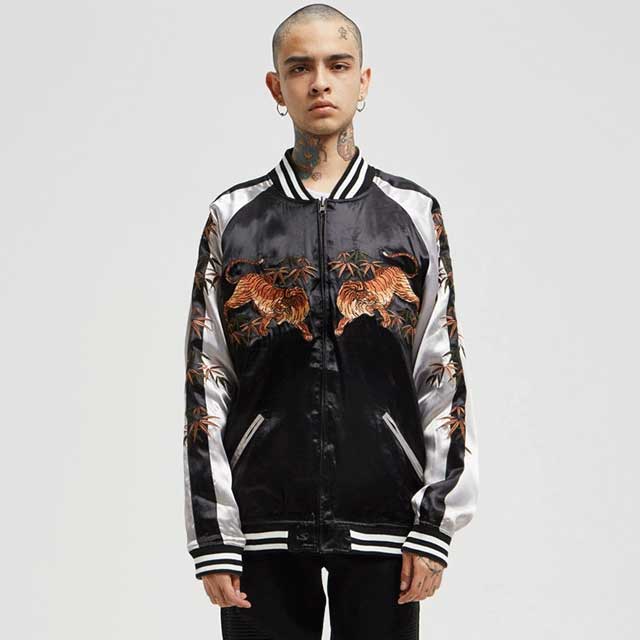
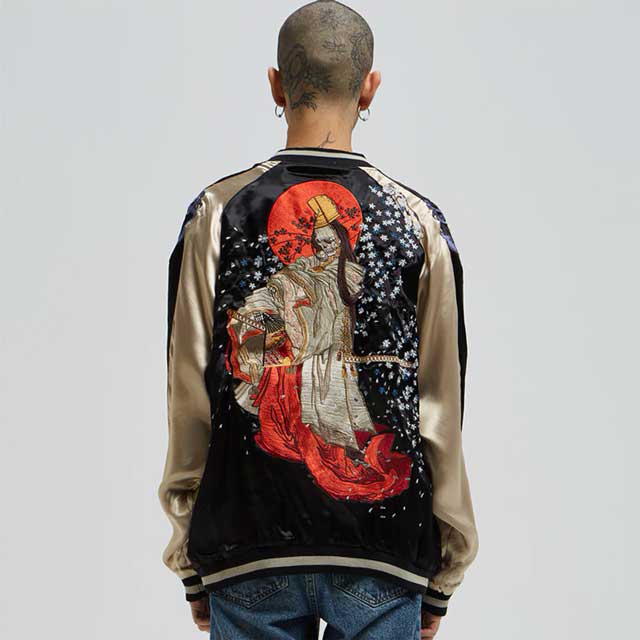
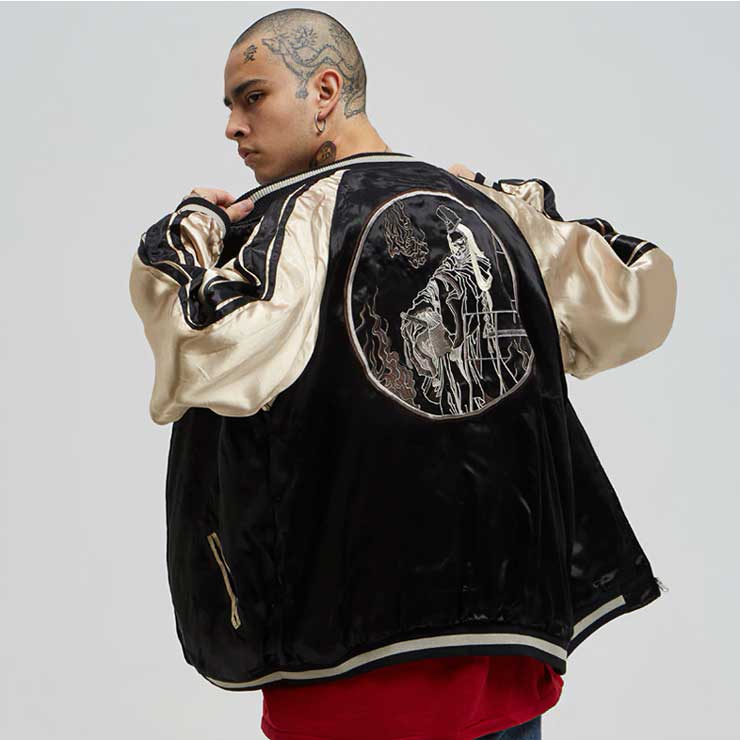
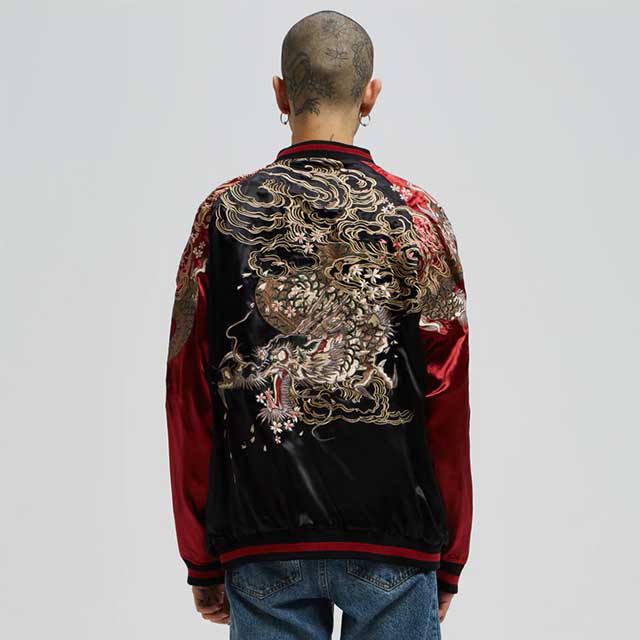
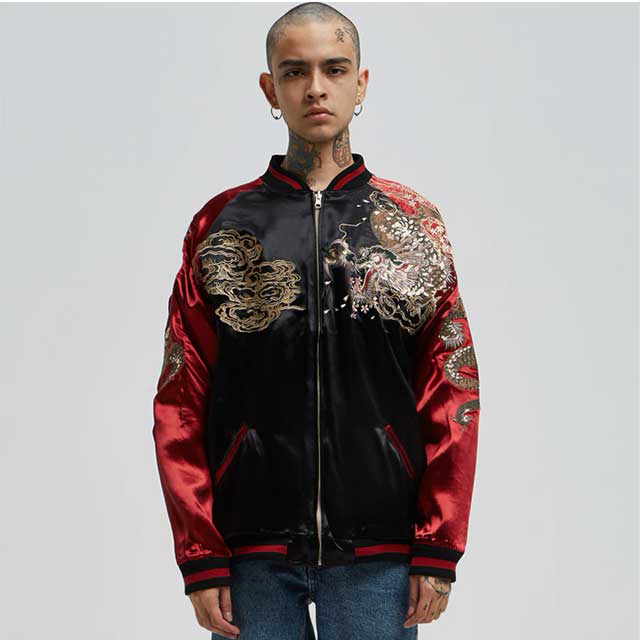
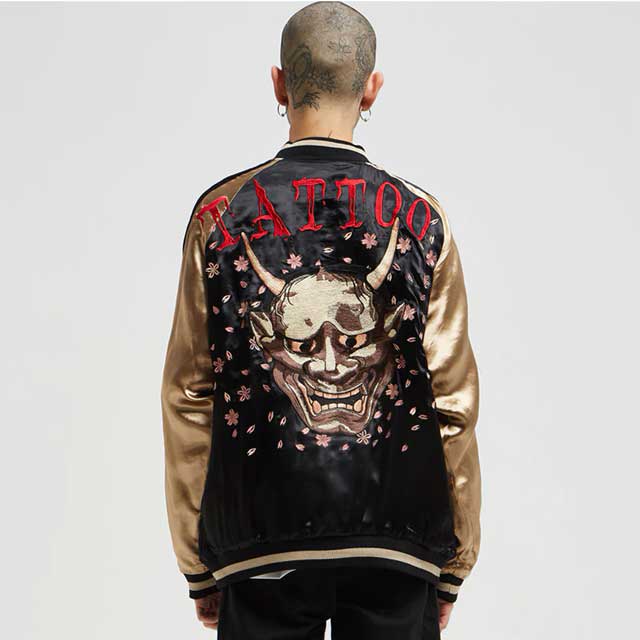
A sukajan is a Japanese souvenir bomber jacket characterized by its satin or rayon shell, elasticized cuffs and waist, and elaborate embroidered or printed designs on the back. Originally created in postwar Japan for American soldiers stationed in Yokosuka, these jackets were hand-stitched with traditional Japanese motifs — dragons, tigers, cherry blossoms and eagles — as souvenirs to bring home.
The name itself reflects this history. Most attribute it to a combination of Yokosuka and the Japanese word jyanpa meaning jumper or jacket. Others connect it to the phrase sky dragon jacket. Either way the sukajan bomber jacket carries a story unlike any other garment in fashion history.
The History Of The Sukajan Jacket
Few garments carry as much cultural weight as the sukajan. Its journey from military souvenir to global fashion icon spans eight decades and crosses continents:
Postwar Origins — following World War II American soldiers stationed in Japan commissioned local tailors to embroider traditional Japanese imagery onto their military jackets. These pieces were brought home as souvenirs — hence the name souvenir jacket — and became the first bridge between Japanese craftsmanship and Western fashion.
Japanese Youth Culture — in the 1960s working class Japanese teenagers adopted the sukajan jacket as a symbol of rebellion and resistance against the Americana-obsessed Ametora trend. What began as a military souvenir became a statement of cultural identity and counterculture defiance.
Global Counterculture — as these jackets circulated through the United States and Europe, rock musicians including Mick Jagger wore them on tour. The sukajan became a symbol of rebellion that transcended its origins entirely.
Modern Revival — the mid-2010s saw a massive resurgence. Celebrities including Ryan Gosling, Harry Styles, Katy Perry and Kanye West were seen wearing sukajan jackets regularly. High fashion houses including Dior, Louis Vuitton and Yves Saint Laurent featured the silhouette on their runways — cementing the Japanese bomber jacket as one of the most enduring and culturally significant pieces in global fashion.
Sukajan Jacket Embroidery And Symbolism
The embroidered designs on a sukajan are never purely decorative. Each motif carries centuries of Japanese cultural meaning:
-
Ryū Dragon — wisdom, power, balance, freedom and good luck. The most iconic sukajan motif worldwide.
-
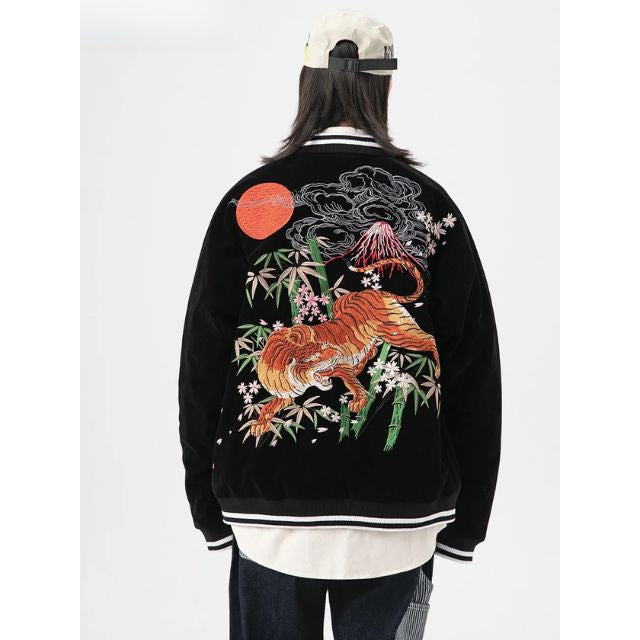
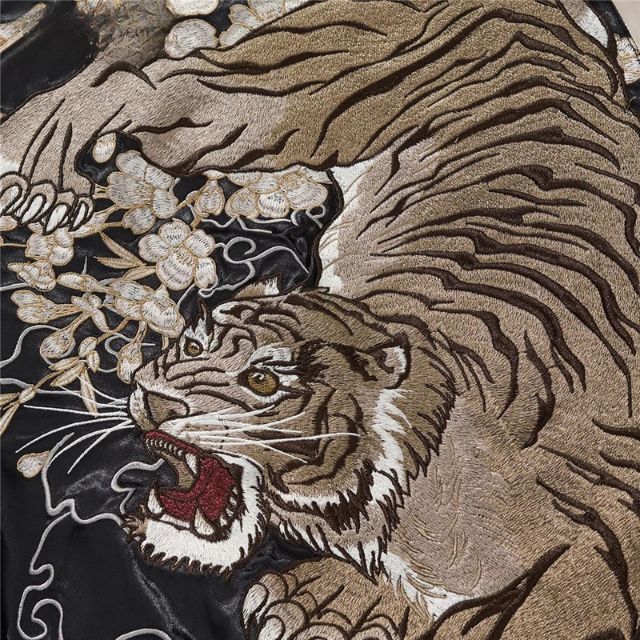
Tiger — blessing and peace. A symbol of strength and protection in Japanese culture.
-
Snake — protection, good luck and strength. Associated with transformation and renewal.
-
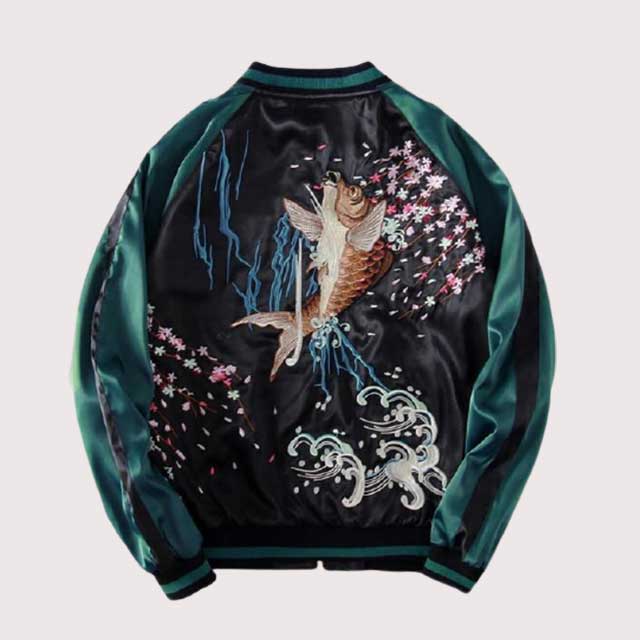
Koi Fish — courage, patience and success. One of the most beloved symbols in Japanese art.
-
Phoenix — great luck, renewal and peace. Represents transformation and rising from adversity.
-
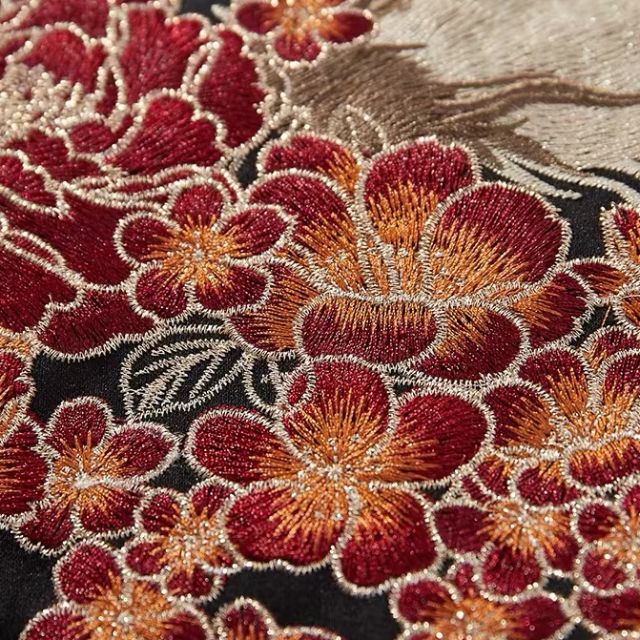
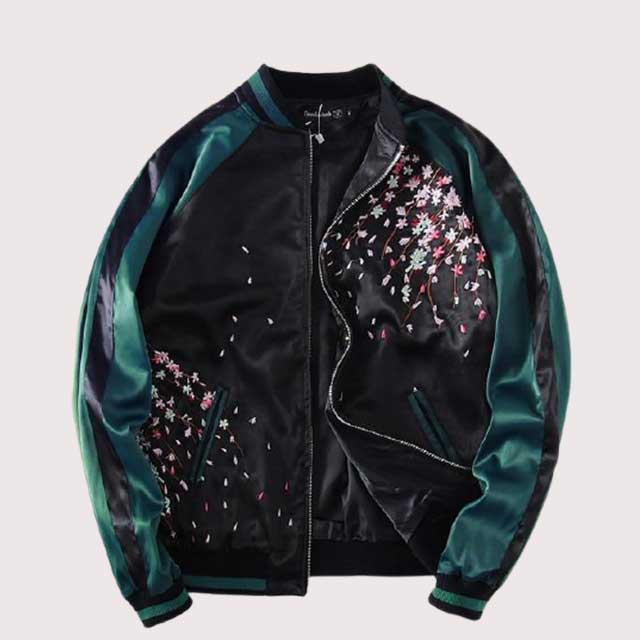
Cherry Blossom — beauty, renewal and the fleeting nature of life. A quintessentially Japanese motif.
-
Eagle — the great power of nature. A symbol of vision and strength carried from military tradition.
Understanding the symbolism behind your sukajan jacket transforms it from a fashion piece into a personal statement with centuries of meaning.
How To Style Your Sukajan Jacket
Japanese Streetwear Styling — wear your sukajan open over a plain white tee with slim dark jeans and clean sneakers. Let the embroidery be the focal point — keep everything else minimal. Pair with our Hakama Pants collection for a complete Japanese streetwear look.
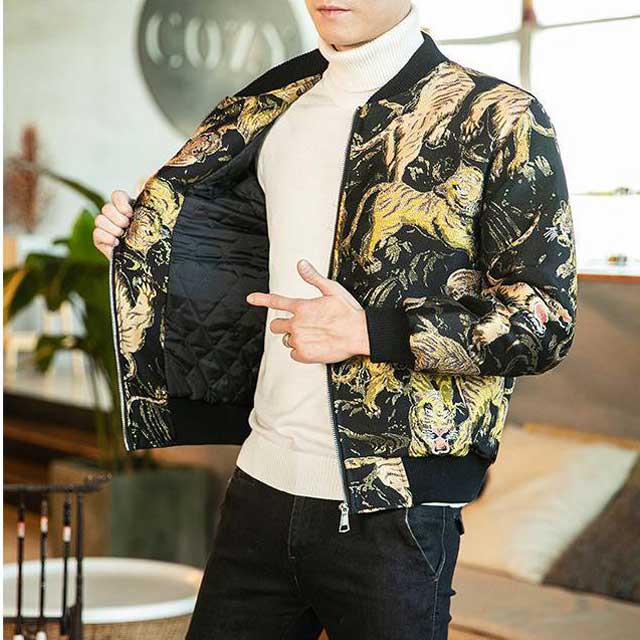
Layered Styling — layer over a fitted hoodie or crewneck for a relaxed urban look. The elasticized waist and cuffs of the sukajan bomber jacket work beautifully over thin knits without losing its silhouette.
Smart Casual Styling — pair with tailored dark trousers and a fitted turtleneck for a refined take on Japanese streetwear. The bold back embroidery adds visual interest to an otherwise clean outfit.
Cultural Event Styling — wear your sukajan jacket to Japanese cultural events, themed parties and festivals. Pair with pieces from our Haori collection for a layered Japanese aesthetic that honors the cultural roots of both garments.
Sukajan Jacket Sizing and Fit Guide
Our sukajan collection follows Asian sizing and is designed with a tailored fit — closer to the body than a standard Western bomber jacket. When choosing your size consider:
Chest and shoulders — the primary fit points. The sukajan is designed to fit close to the body with room for a single layer underneath.
Length — sits at the waist with an elasticized hem. Not designed to be worn over thick sweaters.
Asian Sizing — we recommend selecting one to two sizes larger than your usual Western size for the most comfortable fit. Check individual product pages for specific measurements.
How To Care For Your Sukajan Jacket
To keep your piece looking its best:
Check the care label before washing — satin and rayon require different care than polyester
Hand wash or gentle machine cycle in cold water with non-abrasive detergent
Avoid tumble drying — hang dry flat to preserve the embroidery and fabric integrity
Iron on low heat if needed — never direct heat on embroidered areas
Store hanging to maintain the silhouette and prevent creasing
FAQ
What is the difference between a sukajan and a regular bomber jacket?
A regular bomber jacket is typically plain or minimally decorated. The sukajan jacket is specifically Japanese in origin — characterized by elaborate hand-embroidered or printed traditional Japanese motifs, satin or rayon construction, and a cultural history rooted in postwar Japan. It is a souvenir jacket — every design tells a story.
Is the sukajan jacket true to size?
Our pieces follow Asian sizing. We recommend selecting one to two sizes larger than your usual Western size. Check individual product pages for specific measurements and size guides.
Is the sukajan jacket unisex?
Yes. While our main collection features men's styling and models, the sukajan is worn and loved by all genders worldwide. Explore our dedicated women's sukajan collection for feminine cuts and styles.
What material are your sukajan jackets made from?
Our collection is crafted in polyester, satin and rayon — materials that capture the visual richness of traditional sukajan construction while remaining durable and accessible for everyday wear.
What does sukajan mean?
Most attribute the name to a combination of Yokosuka — where American soldiers were stationed in postwar Japan — and jyanpa, the Japanese word for jumper or jacket. The sukajan is literally a Yokosuka jacket — a souvenir of one of the most significant cultural intersections in modern fashion history.
Explore our full collection and find your piece of Japanese fashion history. From classic dragon embroideries to bold modern graphics — Eiyo Kimono delivers authentic sukajan jacket style worldwide.