Samurai Mask — History, Meaning and Types Explained
The samurai mask is one of the most iconic symbols in Japanese history — a powerful fusion of protection, intimidation and cultural identity worn by Japan's legendary warrior class for centuries. From the battlefield to modern fashion and popular culture, the samurai mask continues to captivate audiences worldwide with its striking design and deep historical significance.
What Is a Samurai Mask?
A samurai mask — known in Japanese as menpō — was a protective face covering worn by samurai warriors during feudal Japan. Unlike decorative masks used in theatre or ceremony, the original samurai face mask was functional armor — crafted from iron or leather to protect the warrior's face during combat while simultaneously intimidating enemies on the battlefield.
The menpō covered the lower half of the face — the cheeks, nose and chin — and was designed to attach to the samurai's helmet, the kabuto. The mask's fierce expression was entirely intentional. A snarling mouth, exaggerated cheekbones and dramatic metal whiskers were all designed to strike fear into opponents before a single blow was exchanged.
History of the Samurai Mask
Samurai masks emerged during Japan's Heian period — roughly 794 to 1185 AD — and reached their most elaborate form during the Sengoku period of civil war from 1467 to 1615. During this era of constant conflict, samurai armor became both a practical necessity and a statement of status, identity and clan loyalty.
The most powerful samurai — including legendary warlords like Oda Nobunaga and Takeda Shingen — wore highly customized armor that expressed their personal power and battlefield reputation. The samurai face mask was a crucial part of this identity — no two were exactly alike.
Beyond protection and intimidation, the samurai mask served a psychological purpose. The menpō's fearsome expression was believed to channel the warrior spirit — helping the samurai embody the fierce focus and fearlessness required for battle. Wearing the mask was a ritual transformation — from man to warrior.
Types of Samurai Masks
Not all samurai masks are the same. Japanese mask culture produced several distinct styles worn by samurai and in Japanese cultural tradition:
Menpō — The Classic Samurai Face Mask The most recognized samurai mask style — covering the lower face with a fierce snarling expression. Usually made from iron with lacquered finish and occasionally featuring real hair for the mustache. The most historically accurate representation of battlefield samurai armor.
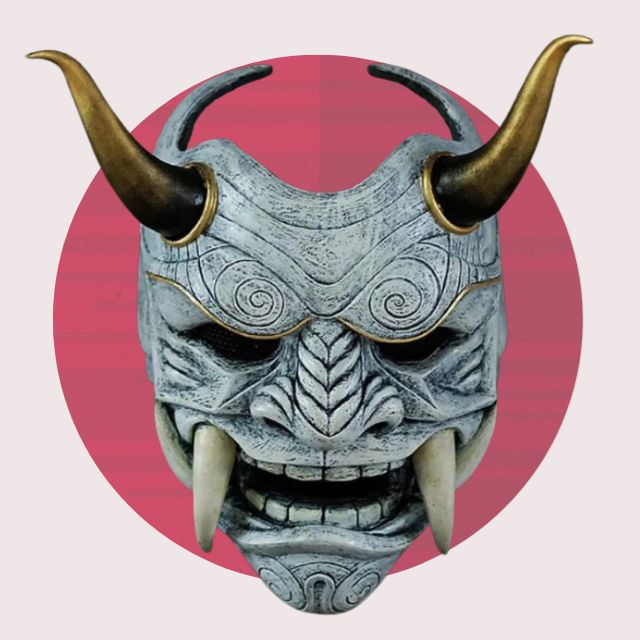
Oni Mask The oni mask represents the Japanese demon — a supernatural creature of immense power and ferocity from Japanese folklore. Samurai frequently incorporated oni imagery into their armor and masks to channel the demon's terrifying power on the battlefield. Deep red coloring, sharp horns and exaggerated features make the oni demon mask instantly recognizable. Shop our oni mask collection for authentic Japanese oni masks.
Hannya Mask Originating in Noh theatre — Japan's classical dramatic tradition — the hannya mask represents a jealous female spirit transformed into a demon. While not strictly a samurai mask, hannya imagery appears frequently in Japanese warrior culture as a symbol of fierce protective energy.
Tengu Mask The tengu is a legendary Japanese creature — part human, part bird — associated with martial arts mastery and supernatural power. Tengu masks feature the creature's distinctive long nose and are deeply connected to samurai culture through the legend that tengu taught the greatest samurai warriors their fighting skills. Explore our tengu mask collection for authentic Japanese tengu masks.
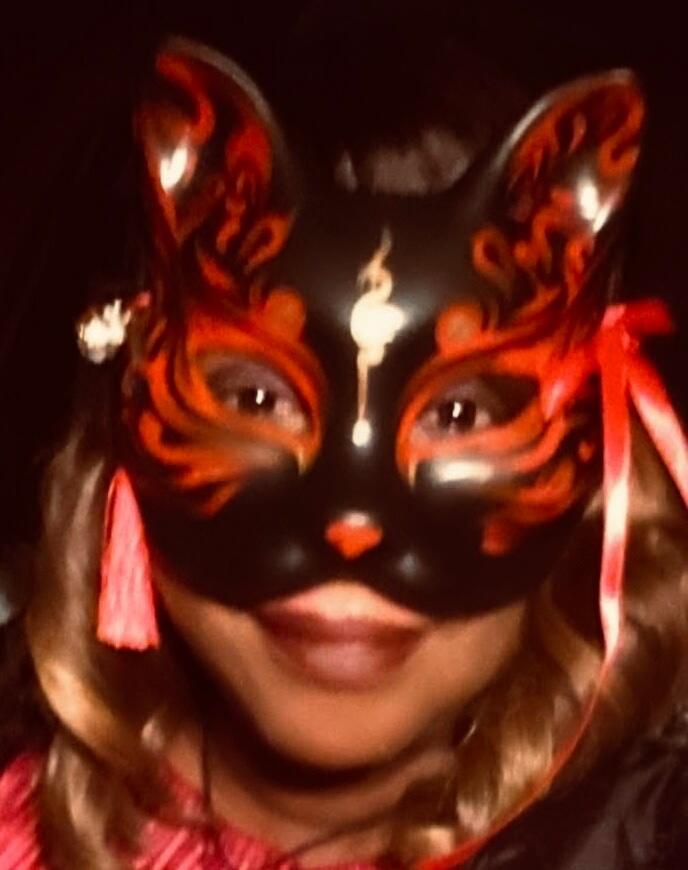
Kitsune Mask The fox spirit — or kitsune — is one of the most powerful figures in Japanese mythology. Associated with wisdom, transformation and protection, kitsune masks appear in both Shinto ceremony and Japanese warrior tradition. Browse our kitsune fox mask collection for beautifully crafted fox spirit masks.
Samurai Mask Symbolism and Meaning
The samurai mask carries deep symbolic meaning beyond its practical origins:
Protection — physically from battlefield injury and spiritually from evil forces
Intimidation — the fierce expression was designed to psychologically weaken opponents before combat began
Identity — each warrior's mask expressed their personal power, clan loyalty and battlefield reputation
Transformation — wearing the mask was a ritual act of becoming the warrior — leaving the ordinary self behind
Spirit channeling — oni and demon mask imagery allowed samurai to embody supernatural power and ferocity
In modern Japanese culture the samurai mask remains a powerful symbol of discipline, strength and warrior spirit — worn at festivals, used in martial arts, displayed as wall art and embraced globally in fashion, streetwear and pop culture.
Samurai Masks in Modern Culture
The global fascination with samurai masks has never been stronger. From anime and manga to streetwear fashion and tattoo culture — the iconic imagery of the japanese samurai mask appears across creative industries worldwide.
In Japanese streetwear the samurai mask has become a defining aesthetic — printed on hoodies, embroidered on jackets and featured prominently in the bold graphic designs that define Tokyo street style. The mask's combination of ancient cultural meaning and striking visual design makes it a natural fit for fashion that wants to say something beyond the surface.
At Eiyo Kimono our oni mask collection and japanese masks collection bring authentic Japanese mask culture to wardrobes worldwide — from wearable masks for cultural events and cosplay to decorative pieces that honor the samurai tradition.
How To Style Japanese Mask Inspired Fashion
If you're drawn to the aesthetic world of samurai masks and Japanese warrior culture — here's how to bring that energy into your wardrobe:
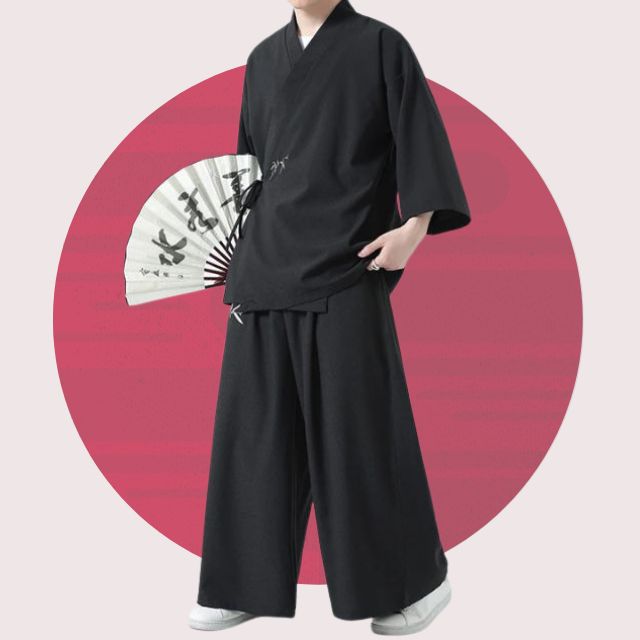
- Pair an oni print haori jacket with hakama pants for a fully samurai inspired Japanese streetwear look
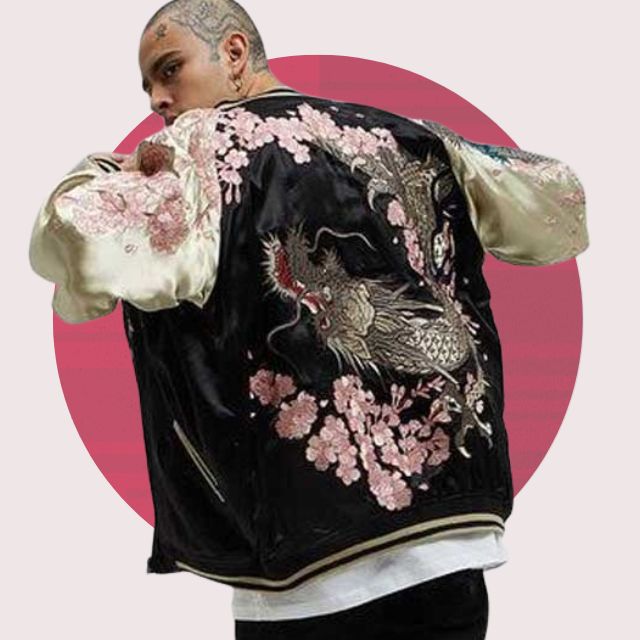
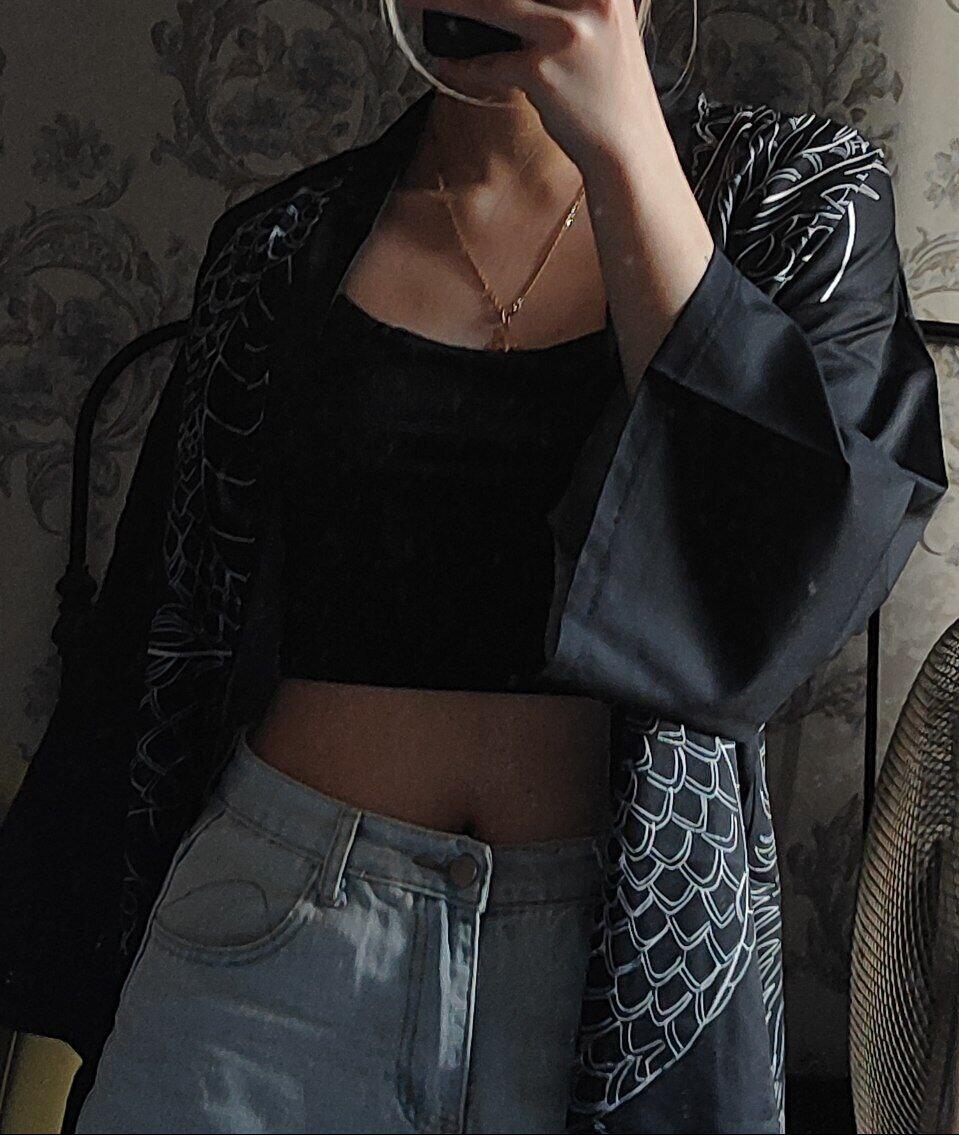
- Layer a dragon print kimono cardigan over a plain tee — dragon symbolism is deeply connected to samurai culture
- Choose pieces from our Japanese dragon collection or oni demon collection for clothing that carries authentic Japanese warrior symbolism
- Add a samurai mask or oni mask to your space as wall art or display piece — honoring the tradition decoratively
Japanese Mask
s FAQ
What is the most famous samurai mask?
The most recognized samurai mask style is the menpō — the iron face guard worn as part of full samurai armor during feudal Japan. In popular culture the oni mask — representing the Japanese demon — is equally iconic and deeply connected to samurai warrior tradition.
What does a samurai mask represent?
A samurai mask represents protection, intimidation, warrior spirit and the transformation from ordinary person to fearless fighter. Different mask styles carry specific meanings — oni masks represent demonic power, tengu masks represent martial mastery and kitsune masks represent wisdom and transformation.
Where can I buy authentic Japanese samurai masks?
Eiyo Kimono offers a curated collection of authentic japanese masks — including oni masks, tengu masks and kitsune fox masks — for collectors, cultural enthusiasts and cosplay. Worldwide shipping available. Explore our full japanese masks collection.

Written by Jennifer Moreau