Hakama Pants | The Complete Guide to Japan's Most Iconic Trousers
Few garments in world fashion carry the cultural weight, philosophical depth and visual power of hakama pants. From the courts of Japanese nobility to the training floors of samurai warriors, from graduation ceremonies to global streetwear runways — hakama have traveled further and meant more than almost any other piece of clothing in human history.
Whether you are discovering hakama for the first time or deepening your appreciation for Japanese fashion — this is the complete guide.
What Are Hakama Pants?
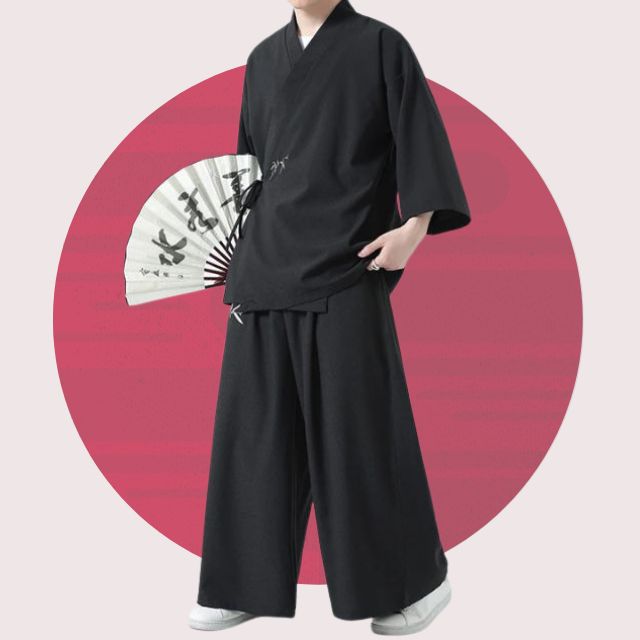
Hakama are traditional Japanese trousers characterized by their dramatically wide legs, distinctive pleating and unique waist tie system. Dating back to the sixth century, they were originally reserved for Japanese nobility before being adopted by samurai warriors, martial artists, shrine maidens and eventually by all levels of Japanese society.
Today hakama pants are worn worldwide — in martial arts dojos, at Japanese graduation ceremonies, on Tokyo streetwear scenes and in wardrobes across every continent. Few garments have demonstrated such remarkable cultural staying power across fourteen centuries of continuous wear.
There are two primary styles of hakama:
Umanori Hakama — divided like wide leg trousers, originally designed for horseback riding. This is the style most widely associated with samurai warriors and martial arts practitioners. Still worn today in Kendo, Aikido and Iaido practice.
Andon Hakama — undivided and tubular, resembling a flowing skirt. Worn at graduation ceremonies, weddings and coming-of-age celebrations. This style prioritizes elegance and ease of movement over martial functionality.
Both share the same unmistakable silhouette that has made hakama one of the most recognized garments in traditional Japanese clothing worldwide.
The History Of Hakama Pants
The story of hakama is inseparable from the story of Japan itself.
Sixth Century — Noble Origins Hakama first appeared in Japanese court culture as formal wear for nobility. The wide flowing silhouette and elaborate pleating signaled social status and cultural refinement — a garment that communicated power through presence alone.
Feudal Japan — The Samurai Adopt Hakama As Japan's feudal period took shape, hakama became central to samurai culture. Warriors wore them in battle, in ceremony and in daily life. The garment's wide leg allowed freedom of movement while the structured waist tie kept everything secure during combat. The hakama became as much a symbol of the samurai identity as the katana itself.
Meiji Era — Women Reclaim Hakama In the Meiji era Japanese women — particularly schoolteachers and students — began wearing hakama over their kimono as a practical and dignified alternative to purely ceremonial dress. This tradition continues today — young Japanese women still wear hakama at university graduation ceremonies, paired with a furisode kimono in one of the most photographed and celebrated moments in Japanese cultural life.
Modern Era — Global Japanese Streetwear Today japanese style pants inspired by the hakama silhouette have become a defining piece of global Japanese streetwear. The dramatic wide leg, cultural depth and visual impact of hakama translate powerfully into contemporary fashion — worn by anyone who wants clothing with genuine meaning behind it.
The Meaning Behind The Pleats
One of the most fascinating and little-known details of hakama pants is the profound philosophical symbolism carried in their pleating.
The five front pleats represent the core Confucian values of Bushido — the samurai code of honor:
Jin — Humanity. The obligation to act with compassion and benevolence toward others.
Gi — Justice. The commitment to righteous action and moral integrity.
Rei — Courtesy. The practice of respect, etiquette and consideration in all interactions.
Chi — Intelligence. The pursuit of wisdom and the value of learning throughout life.
Shin — Belief. The importance of sincerity, honesty and keeping one's word.
The two rear pleats represent Loyalty and Filial Piety — values considered the deepest expression of the samurai spirit.
What appears purely decorative on the surface carries centuries of philosophical intention beneath. This is what separates hakama pants from ordinary wide leg trousers — every detail tells a story. Every pleat encodes a value. Every time you wear hakama you carry the samurai code with you.
Who Wears Hakama Pants?
Hakama are worn across a remarkable range of occasions and cultures today:
Martial Arts — Kendo, Aikido and Iaido practitioners wear hakama as part of their official practice uniform. The garment is earned through demonstrated skill and commitment — wearing it carries genuine significance within martial arts communities worldwide.
Graduation Ceremonies — young Japanese women traditionally pair hakama with furisode kimono at university graduation. The combination is one of the most iconic images in contemporary Japanese cultural life.
Shinto Ceremonies — shrine maidens called miko wear distinctive red and white hakama as part of their ceremonial dress. This remains one of the most recognizable images in Japanese religious culture.
Weddings and Coming-Of-Age Celebrations — hakama remain a formal staple in Japanese ceremonial dress for significant life milestones.
Global Streetwear — beyond Japan, japanese style pants inspired by the hakama silhouette have become a genuine global fashion statement. Their dramatic visual impact and cultural depth make them a favorite in Japanese streetwear, cosplay and conscious fashion communities worldwide.
How To Style Hakama Pants
The dramatic silhouette of hakama pants is surprisingly versatile. Here are four proven approaches:
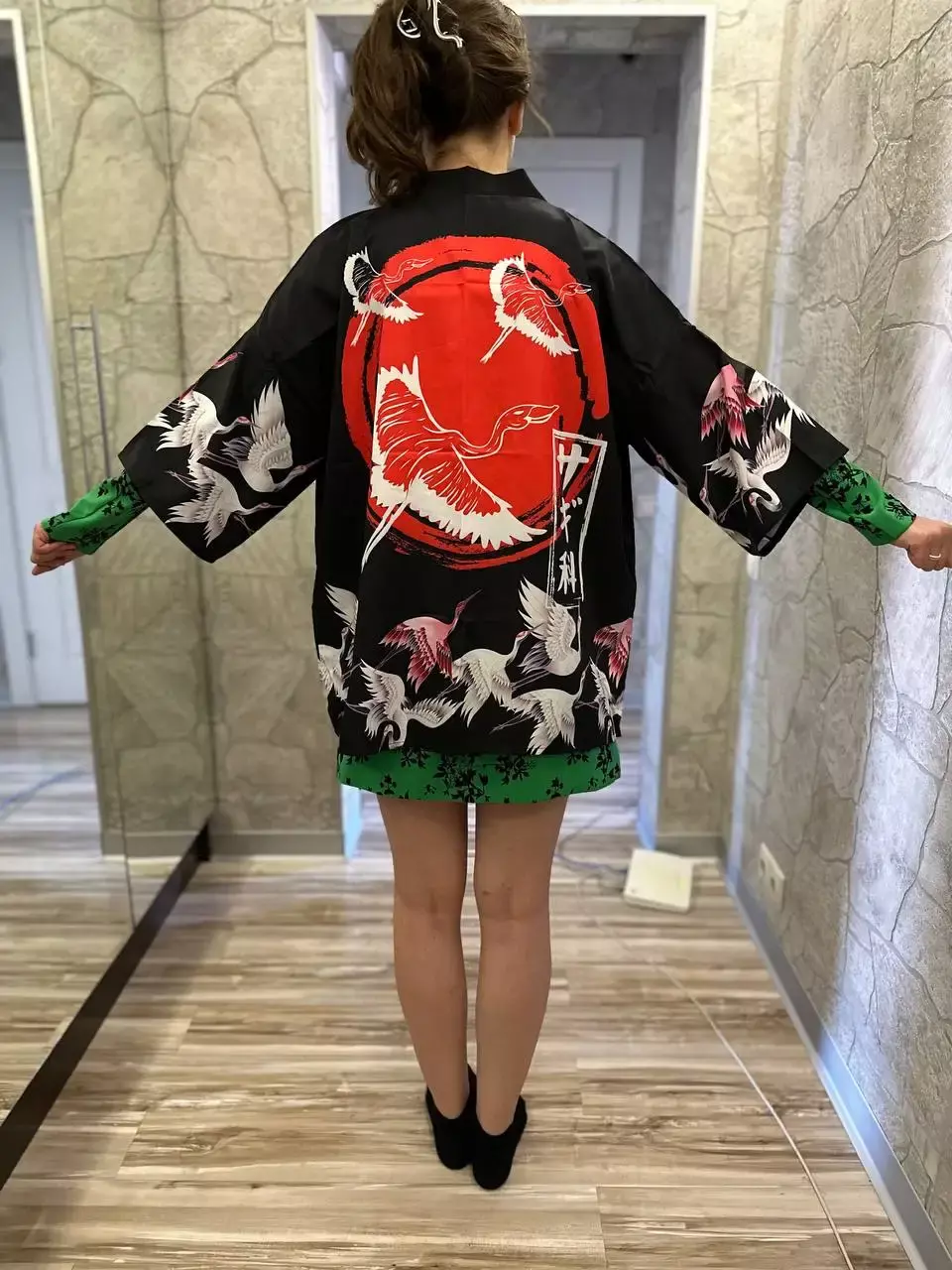
Traditional Japanese Styling — pair with a kimono top and layer a haori jacket for an authentic ceremonial look. Add traditional sandals or tabi boots to complete the ensemble. This combination honors centuries of Japanese fashion tradition and works beautifully for cultural events and ceremonies.
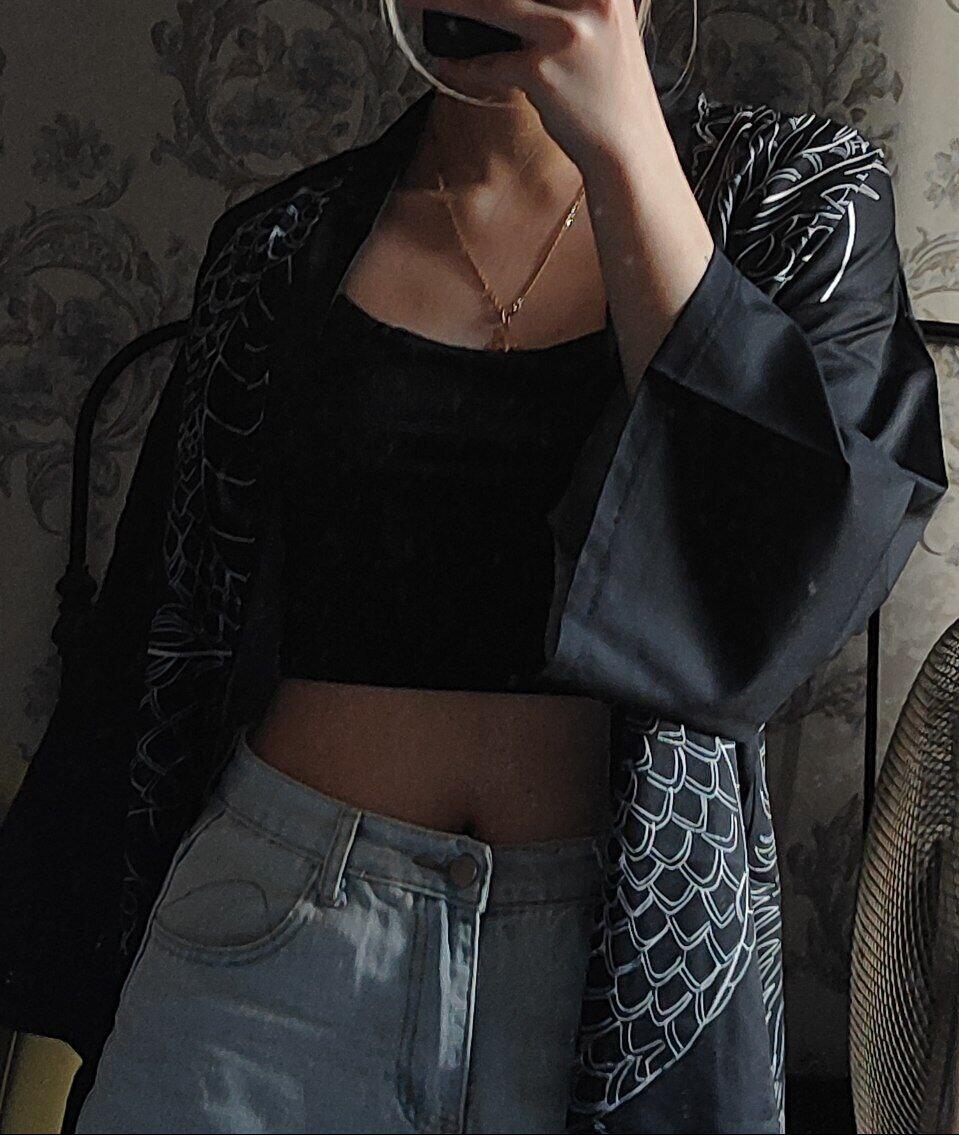
Japanese Streetwear Styling — japanese style pants work powerfully with fitted cropped tops, oversized hoodies or simple white tees. The contrast between the flowing wide leg silhouette and a relaxed modern top creates a striking contemporary look. Pair with boots, sneakers or platform shoes for a complete Tokyo-inspired streetwear aesthetic.
Smart Casual Styling — pair with a fitted turtleneck or structured blouse for a polished everyday look. The wide leg silhouette elevates any simple top into a considered and sophisticated outfit that works for creative workplaces, gallery openings and cultural events.
Festival and Event Styling — hakama are natural festival pieces. The dramatic silhouette and cultural depth create an immediately striking presence at Japanese cultural events, cosplay conventions and themed celebrations worldwide.
Hakama Pants In Modern Japanese Streetwear
The influence of hakama on contemporary Japanese fashion cannot be overstated. The wide leg silhouette has inspired an entire generation of Japanese streetwear designers — appearing in Harajuku street style, high fashion editorials and global urban wardrobes.
Modern interpretations range from faithful traditional reproductions to avant-garde reinterpretations — layered hakama, cargo hakama, chiffon hakama, striped hakama. The silhouette adapts to every material and aesthetic while retaining its unmistakable cultural identity.
This adaptability is precisely what makes japanese pants inspired by hakama so enduring. The silhouette is strong enough to carry any interpretation while remaining immediately recognizable as rooted in Japanese cultural tradition.
Hakama Pants FAQ
What is the difference between hakama pants and regular wide leg pants?
Regular wide leg pants are purely functional — designed for comfort and silhouette. Hakama pants carry fourteen centuries of Japanese cultural history within every pleat and tie. The distinctive pleating, waist tie system and flowing silhouette are rooted in samurai culture, Bushido philosophy and Japanese ceremonial tradition. This is the difference between clothing and cultural heritage worn.
Are hakama pants unisex?
Yes. Hakama have been worn by all genders in Japan for centuries. Men's styles traditionally favor darker subdued colorways while women's styles tend toward softer colors and ceremonial pairing with kimono. Modern japanese style pants inspired by hakama are fully unisex — designed for anyone who appreciates Japanese cultural aesthetics.
Can I wear hakama pants casually?
Absolutely. Modern hakama-inspired streetwear has made these one of the most versatile everyday garments in Japanese fashion. Paired with a simple tee and sneakers they create an effortlessly striking casual look that carries genuine cultural depth without any formality required.
What sizes are available?
Eiyo Kimono's hakama pants collection offers sizes from S to 5XL across various styles — with Asian sizing throughout. We recommend selecting one to two sizes larger than your usual Western size for the most authentic and comfortable fit.
Where can I buy authentic hakama pants?
Eiyo Kimono offers a curated hakama pants collection with worldwide shipping — from traditional ceremonial styles to contemporary Japanese streetwear cuts. Each piece is designed to honor the visual and cultural tradition of Japanese hakama while fitting seamlessly into modern wardrobes.

Written by Jennifer Moreau